
Israel Kills 3 Journalists in Gaza, Including CBS News Contributor
Press Freedom Under Fire as Media Workers Pay the Ultimate Price in Gaza

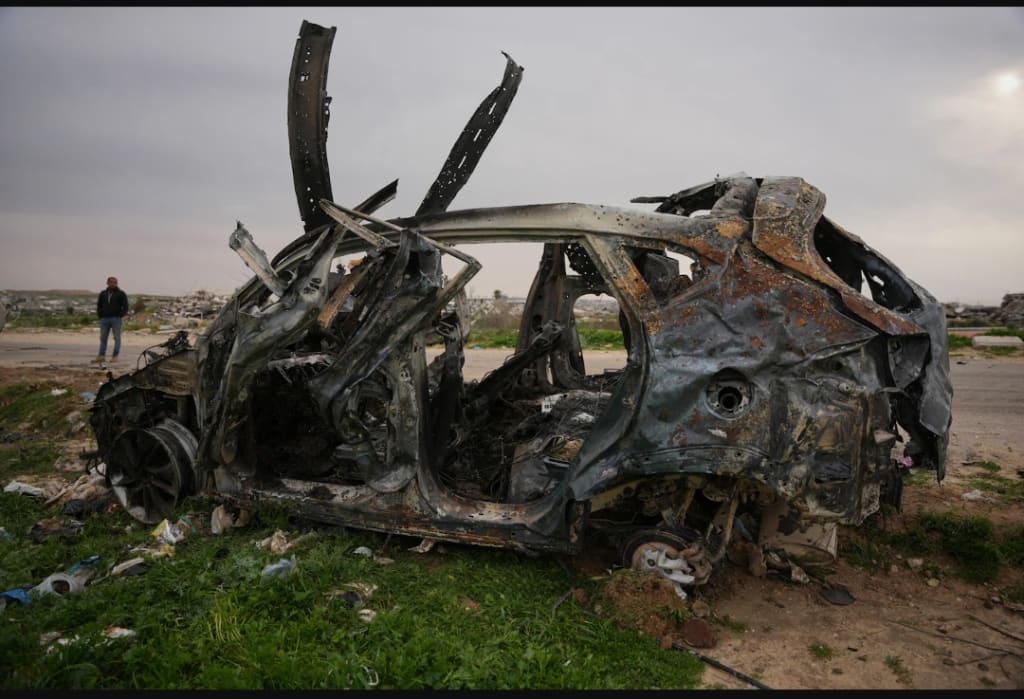
The ongoing conflict in Gaza has once again cast a harsh spotlight on the dangers faced by journalists reporting from war zones. In a deeply troubling incident, three journalists were killed in an Israeli strike in Gaza, including a contributor who worked with CBS News. The deaths have sparked global outrage, renewed calls for accountability, and intensified concerns over the safety of media workers operating in one of the world’s most dangerous regions.
For many, this incident is not just another tragic headline — it is a painful reminder of the human cost of war and the critical role journalists play in documenting it.
What Happened in Gaza
According to local reports, the journalists were traveling in a vehicle near a displacement area when it was struck during Israeli military operations. They were reportedly documenting humanitarian conditions and the impact of ongoing hostilities on civilians when the attack occurred.
Alongside the journalists, several other Palestinians were also killed, underscoring how journalists in Gaza often face the same deadly risks as the civilians they are covering. The strike came amid intensified military activity, despite repeated international appeals for restraint and protection of non-combatants.
The Journalists Behind the Headlines
Among those killed was a freelance journalist who regularly contributed footage and reporting to CBS News, as well as other international media organizations. Like many local journalists in Gaza, he played a vital role in providing firsthand coverage to global audiences, especially as foreign reporters have limited access to the territory.
The other two journalists were also Palestinian media workers known for their dedication to covering daily life, displacement, and humanitarian suffering. Colleagues described them as committed professionals who continued reporting despite extreme danger, lack of resources, and personal loss.
Their deaths have sent shockwaves through the journalism community, particularly among freelancers who often lack the protections afforded to staff correspondents.
Israel’s Response and Ongoing Questions
The Israeli military stated that the strike targeted individuals suspected of posing a security threat, claiming they were linked to militant activity. However, media organizations and press freedom advocates have questioned the explanation, noting that the victims were clearly identified as journalists and were engaged in reporting work at the time of the strike.
Key questions remain unanswered:
Were the journalists identified as media workers before the strike?
What intelligence was used to justify the attack?
Will an independent investigation be conducted?
Under international humanitarian law, journalists are considered civilians and are afforded special protections during armed conflict. Any targeting of media workers raises serious legal and ethical concerns.
A Growing Toll on Journalists
This incident adds to a grim pattern. Gaza has become one of the deadliest places in the world for journalists, with dozens killed since the conflict escalated. The majority have been local reporters, photographers, and camera operators who continue working despite immense personal risk.
With limited international media access, Palestinian journalists have become the primary source of information from inside Gaza. Their reporting has been essential in documenting civilian casualties, displacement, and humanitarian crises — but it has also made them increasingly vulnerable.
Press freedom organizations warn that the loss of journalists not only silences individual voices but also deprives the world of independent information from conflict zones.
International Reaction and Condemnation
The killing of the journalists drew swift condemnation from media outlets, advocacy groups, and human rights organizations. CBS News expressed deep sorrow over the loss of its contributor, emphasizing the courage and professionalism of journalists working under fire.
Press freedom groups have renewed calls for all parties in the conflict to respect international law and ensure the safety of journalists. Many have demanded transparent investigations and accountability for attacks that result in the deaths of media workers.
The incident has also reignited broader debates about press freedom, civilian protection, and the responsibilities of military forces in modern warfare.
The Human Cost Beyond Statistics
Behind every statistic is a human story. Friends and colleagues described the slain journalists as sons, brothers, and community members who believed deeply in the power of storytelling. Some had recently started families; others had spent years documenting Gaza’s hardships in hopes that the world would listen.
For communities in Gaza, their deaths are felt not only as a loss of life but as the loss of voices that helped the outside world understand their reality.
Why This Matters to the Global Community
Journalists serve as witnesses. When they are killed, the flow of information is disrupted, and accountability becomes harder to achieve. Attacks on journalists have a chilling effect, discouraging coverage and leaving conflicts shrouded in silence.
For the global community, the deaths of these journalists are a reminder that press freedom is inseparable from human rights. Protecting journalists is not just about safeguarding a profession — it is about defending the public’s right to know.
Conclusion
The killing of three journalists in Gaza, including a CBS News contributor, marks another tragic chapter in a conflict already defined by immense human suffering. It raises urgent questions about the protection of journalists, the rules of war, and the cost of telling the truth in dangerous places.
As the world mourns their loss, their work and sacrifice underscore the vital role journalists play in documenting history as it unfolds. Honoring them means more than remembrance — it means demanding accountability, protecting press freedom, and ensuring that their voices are not silenced in vain.
About the Creator
Asad Ali
I'm Asad Ali, a passionate blogger with 3 years of experience creating engaging and informative content across various niches. I specialize in crafting SEO-friendly articles that drive traffic and deliver value to readers.
The Forsyth House Fire
Since 1851, Forsyth House has stood on the corner of Union Street and Gordon Street in the heart of Glasgow. Its iconic, or was... because on Sunday 8th of March, 2026, a fire broke out in a small, seemingly un-named shop in the building and tore all that history down. As I write, the rubble is still unsettled and the street is still blocked off. Central Station is quiet on the upper level, and around 30 small businesses have quite literally gone up in smoke.
By S. A. Crawford3 days ago in The Swamp
Let's Play A Game
Playing Politics The other day, while bored, I started playing around with ChatGPT. It’s fun, and there are things that people can use it to have a little fun with, and to help with projects. I wanted to see what I’d look like sitting at the resolute desk in the Oval Office.
By The Man Behind The Mask7 days ago in The Swamp



Comments
There are no comments for this story
Be the first to respond and start the conversation.