
Trump Unveils Proposals to Ease Rising Living Costs in the U.S.
From Inflation Relief to Energy Policy, Former President Aims to Tackle Everyday Expenses

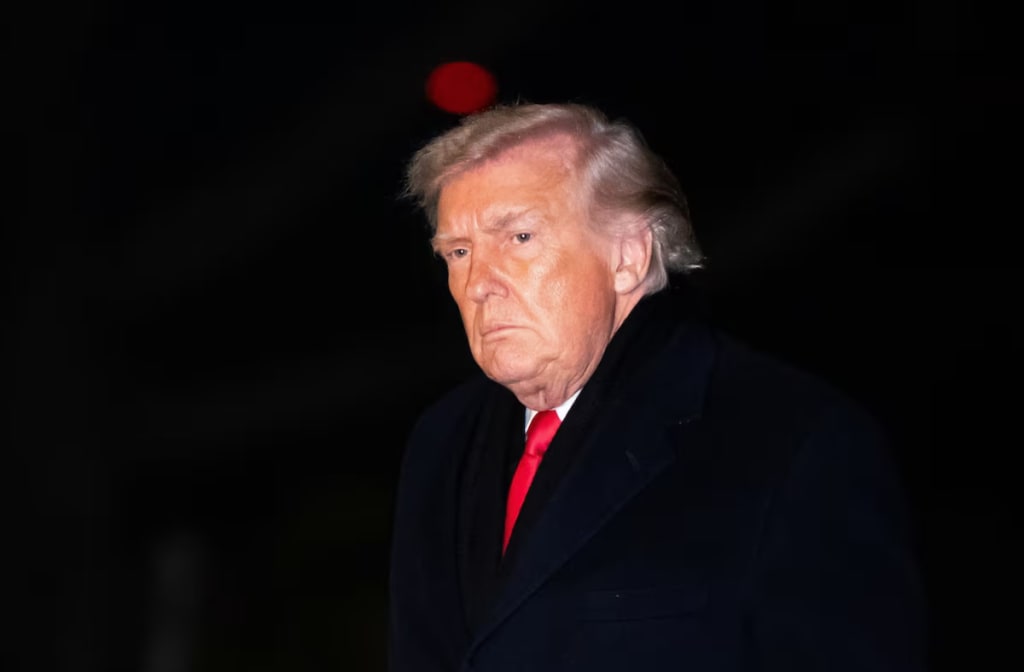
Former U.S. President Donald Trump has once again stepped into the national spotlight, this time presenting a series of proposals aimed at addressing the rising cost of living across the country. With inflation, housing prices, and energy bills weighing heavily on American families, Trump’s plan seeks to offer immediate relief while laying the groundwork for long-term economic stability.
The proposals come amid growing public concern over household budgets. Recent surveys indicate that millions of Americans are struggling with higher grocery bills, rising rent, and increased utility costs. Many economists have pointed to a combination of global supply chain disruptions, energy price volatility, and government spending policies as contributing factors. Trump’s proposals aim to directly confront these challenges by focusing on tax relief, energy production, and regulatory reforms.
One of the cornerstone ideas in Trump’s plan is targeted tax relief for middle- and lower-income households. According to his team, these measures would include temporary tax credits to offset inflationary pressures, along with reforms designed to simplify the tax code. Proponents argue that by reducing the immediate financial burden on families, these policies could help maintain consumer spending and stimulate economic growth. Critics, however, warn that without careful implementation, tax cuts could increase the federal deficit and exacerbate long-term fiscal challenges.
Energy policy is another major focus of Trump’s proposals. The plan emphasizes expanding domestic energy production to lower fuel costs and reduce dependence on foreign oil. This includes incentives for oil and gas exploration, as well as support for nuclear and other traditional energy sources. By boosting supply, Trump argues, Americans could see reductions in gasoline prices and utility bills, easing the strain on household budgets. Environmental advocates have criticized this approach, urging a stronger emphasis on renewable energy sources to address climate concerns.
Housing affordability also features prominently in the proposals. Trump has suggested easing zoning restrictions and providing incentives for homebuilders to construct more affordable housing units. Rising home prices and rent have become a central concern for many Americans, particularly in urban areas. By increasing housing supply, the proposals aim to stabilize the market and offer more options for families seeking affordable living arrangements. Analysts note, however, that implementing such policies often requires cooperation between federal, state, and local governments, which can present significant challenges.
In addition to tax, energy, and housing measures, Trump’s proposals include initiatives aimed at reducing the cost of healthcare. While details remain limited, the plan reportedly includes measures to lower prescription drug prices, expand access to insurance alternatives, and promote competition within the healthcare market. Healthcare costs are a major factor in household expenses, and addressing them could have an immediate impact on family budgets. Yet, as with other components of the plan, skeptics question how these proposals would be funded and regulated.
Supporters of Trump’s approach argue that the plan takes a practical, market-oriented approach to reducing living costs. By focusing on tax relief, increased energy production, and regulatory reforms, the proposals aim to directly influence factors that affect day-to-day expenses for millions of Americans. Economists note that policies targeting supply, whether in energy or housing, can have a more sustainable impact on costs than short-term handouts alone.
Opponents, however, warn that some proposals could have unintended consequences. Expanding fossil fuel production, for instance, may provide short-term relief at the expense of long-term environmental sustainability. Tax reductions without careful planning could strain federal budgets, and regulatory rollbacks may affect consumer protections in areas such as housing and healthcare. The debate highlights the broader tension in U.S. policy between immediate economic relief and longer-term systemic reforms.
Trump’s proposals also carry significant political weight. As a potential contender in upcoming elections, these initiatives serve not only as a policy platform but also as a signal to voters about his priorities. By focusing on everyday expenses and the challenges faced by working- and middle-class families, Trump aims to connect with a broad base of Americans who feel the pinch of inflation and economic uncertainty.
The proposals have sparked discussions across media outlets, think tanks, and policy circles. Economists and political analysts are examining potential impacts, comparing Trump’s approach to strategies advocated by current policymakers. Some see elements of the plan as consistent with broader Republican economic principles, emphasizing market solutions, deregulation, and energy independence. Others caution that addressing complex cost-of-living issues requires a multifaceted approach, including social programs, public investments, and targeted subsidies, which are only partially reflected in the proposals.
Ultimately, the effectiveness of Trump’s plan will depend on its implementation, political feasibility, and coordination with state and federal agencies. While many Americans face immediate financial pressures, solutions that balance short-term relief with long-term sustainability are likely to have the greatest impact. Whether the proposals will translate into tangible benefits for households remains an open question, but the debate has already reignited national attention on the economic challenges facing everyday Americans.
As policymakers, economists, and citizens assess the proposals, one thing is clear: living costs are a central concern for voters across the United States. The conversation sparked by Trump’s initiatives underscores the urgent need for strategies that address inflation, housing, energy, and healthcare costs, while balancing fiscal responsibility and long-term economic growth.
For now, Trump’s proposals have set the stage for renewed debate over the best path forward. As Americans weigh the costs of living against policy solutions, the coming months will reveal whether these ideas can gain traction and provide meaningful relief to families struggling to make ends meet.
About the Creator
Muhammad Hassan
Muhammad Hassan | Content writer with 2 years of experience crafting engaging articles on world news, current affairs, and trending topics. I simplify complex stories to keep readers informed and connected.
Keep reading
More stories from Muhammad Hassan and writers in The Swamp and other communities.
Japan Restarts World’s Largest Nuclear Plant Amid Fukushima Concerns
Japan has officially restarted the world’s largest nuclear power plant, a bold move that comes more than a decade after the catastrophic Fukushima disaster shook the nation and the global nuclear industry. The decision marks a significant shift in Japan’s energy policy, highlighting the country’s growing need for reliable electricity and its struggle to balance energy security with public safety concerns.
By Muhammad Hassanabout 7 hours ago in The Swamp
What to Know About Trump’s ‘Board of Peace’ for Gaza
As tensions and humanitarian needs in the Gaza Strip continue to generate global concern, U.S. President **Donald Trump has introduced a new and ambitious initiative known as the “Board of Peace” — a high‑profile international body designed to oversee the fragile post‑war transition in Gaza and potentially shape how global conflicts are managed in the future. The proposal has sparked both interest and controversy, attracting international invitations and scrutiny from allied nations and diplomatic institutions.
By Salaar Jamaliabout 13 hours ago in The Swamp
Trump Tests the Boundaries of His Power as Minnesota Pushes Back
The clash between federal authority and state autonomy has once again taken center stage in American politics, as former President Donald Trump’s latest assertions of power meet firm resistance from Minnesota’s leadership. The standoff highlights a deeper constitutional tension—one that goes beyond a single state or political personality and speaks to the evolving balance between Washington and the states in an era of intense polarization. At the heart of the dispute is Trump’s enduring political influence and his continued effort to shape national policy debates even outside the Oval Office. Through public statements, legal pressure, and mobilization of his political base, Trump has sought to assert a vision of executive power that stretches traditional norms. Minnesota, governed by leaders who emphasize states’ rights, civil liberties, and local control, has emerged as a prominent counterweight to that approach. Minnesota’s pushback is not merely symbolic. State officials have consistently defended their authority to interpret and implement policies in ways that reflect local values and legal frameworks. Whether the issue involves immigration enforcement, voting regulations, public health measures, or law enforcement cooperation, Minnesota’s stance underscores a broader resistance among Democratic-led states to what they view as federal overreach—or, in Trump’s case, an attempt to govern by pressure rather than constitutional process. Trump’s political style has long thrived on testing limits. During his presidency, he frequently challenged institutional guardrails, from the judiciary to Congress, arguing that decisive leadership required bold action. Supporters praised this approach as a rejection of bureaucratic inertia, while critics warned it eroded democratic norms. Even now, Trump’s rhetoric suggests a belief that executive power should be expansive, flexible, and closely tied to popular mandate rather than institutional restraint. Minnesota’s response reflects a contrasting philosophy. State leaders emphasize that the U.S. Constitution establishes a system of shared power, where states are not mere administrative units but sovereign entities with their own responsibilities and rights. By asserting legal challenges, issuing policy refusals, or reinforcing state laws, Minnesota is signaling that political popularity does not override constitutional boundaries. This confrontation resonates far beyond state lines. Other states are closely watching how Minnesota navigates the pressure, aware that precedents set today could shape future federal-state relations. If aggressive assertions of power go unchallenged, states fear a gradual weakening of their authority. Conversely, a strong and legally grounded resistance could reaffirm the importance of federalism in an increasingly centralized political environment. Public opinion remains sharply divided. Trump’s supporters argue that states like Minnesota obstruct policies aimed at national security, election integrity, or law and order. From their perspective, resistance is framed as defiance rather than defense of democratic principles. On the other hand, critics view Minnesota’s stance as a necessary safeguard against the concentration of power and the politicization of federal authority. Legal experts note that these conflicts often end up in court, where constitutional interpretation becomes the ultimate referee. The judiciary has historically played a crucial role in defining the limits of executive power, and future rulings may further clarify how far a president—or a former president with significant influence—can go in shaping state behavior. Minnesota’s willingness to challenge perceived overreach suggests confidence in the legal system as a counterbalance to political pressure. Beyond legal implications, the dispute also carries electoral significance. Minnesota’s resistance reinforces its identity as a state that values progressive governance and institutional checks. For Trump, confronting such states energizes his base and reinforces his image as a leader willing to confront opposition head-on. In this sense, the clash is as much about narrative as it is about policy. Ultimately, the struggle between Trump’s assertive political posture and Minnesota’s determined pushback reflects a defining question of modern American democracy: how power should be exercised, limited, and contested. As polarization deepens, these confrontations are likely to become more frequent, testing not only political alliances but the resilience of constitutional norms. Minnesota’s stand serves as a reminder that in the American system, power is not absolute. It is negotiated, challenged, and constrained through institutions designed to prevent dominance by any single figure or level of government. Whether this balance holds will shape the nation’s political trajectory long after the current disputes fade from the headlines.
By Fiaz Ahmed Brohi2 days ago in The Swamp
How, Too
Many people wonder how, too. You are not alone, and I am an expert. I will teach you how, too! First, you need to remit a small application fee and fill out an application describing the nature of your financial situation and how often payments will be made, as this will have great bearing on how well I teach you how, too.
By Harper Lewis5 days ago in Fiction




Comments
There are no comments for this story
Be the first to respond and start the conversation.