
What to Know About Trump’s ‘Board of Peace’ for Gaza
“President Trump’s newly launched Board of Peace aims to oversee Gaza’s post-conflict reconstruction and stabilize the region, but its structure, funding model, and international reception have sparked global debate.”

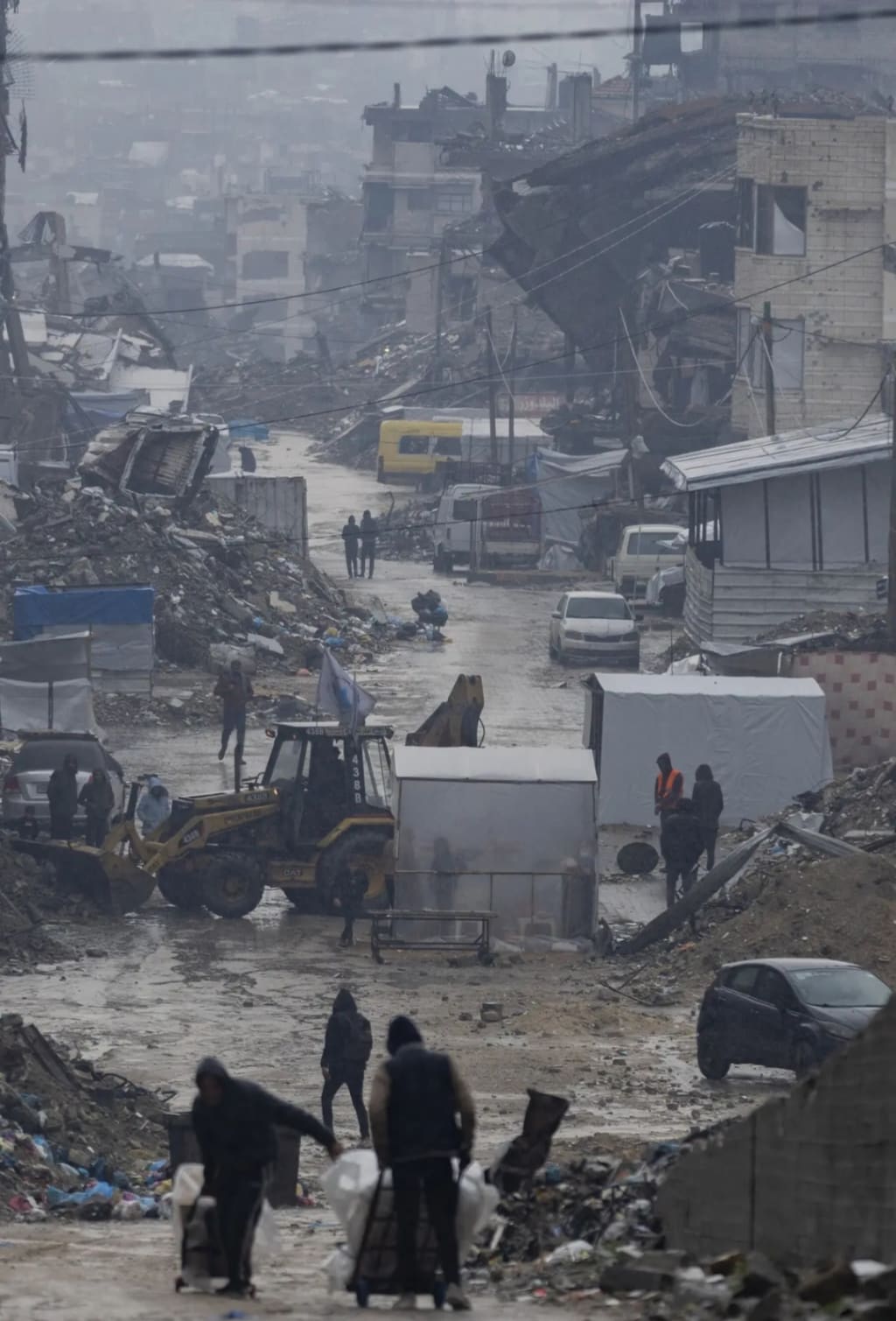
As tensions and humanitarian needs in the Gaza Strip continue to generate global concern, U.S. President **Donald Trump has introduced a new and ambitious initiative known as the “Board of Peace” — a high‑profile international body designed to oversee the fragile post‑war transition in Gaza and potentially shape how global conflicts are managed in the future. The proposal has sparked both interest and controversy, attracting international invitations and scrutiny from allied nations and diplomatic institutions.
A New Peace Architecture
The Board of Peace was first announced by Trump in late 2025 as part of his broader 20‑point “Comprehensive Plan to End the Gaza Conflict.” It was endorsed by the United Nations Security Council under Resolution 2803, which explicitly authorized a transitional peace structure tied to the Gaza ceasefire and post‑war reconstruction.
Officially established on January 15, 2026, the Board is described in its charter as an organization intended to “promote stability, restore dependable and lawful governance, and secure enduring peace in areas affected or threatened by conflict.” Initially, its primary focus is on the devastated Gaza Strip — but plans to broaden its mandate have already surfaced.
Trump himself is slated to serve as chairman of the Board of Peace, a position he would retain even after the formal end of his U.S. presidential term, under the language of the Security Council’s endorsement. This leadership model — with Trump at the helm — distinguishes the board sharply from traditional multilateral peace institutions.
Structure and Purpose
At its core, the Board is framed as a strategic and governance body. It is intended to coordinate international involvement in dismantling conflict infrastructure, rebuilding public services, and stabilizing daily life in Gaza. This includes:
Supervising a transitional Palestinian technocratic administration — known as the National Committee for the Administration of Gaza (NCAG) — responsible for day‑to‑day governance functions.
Mobilizing international resources and investment aimed at reconstruction, economic recovery, and improved governance capacity.
Coordinating a United Nations‑mandated International Stabilization Force (ISF), tasked with maintaining security, training local police, and assisting in demilitarization efforts.
In the Board’s envisioned hierarchy, the Board itself sits at the top, setting strategic direction and allocating resources. Beneath it, the Gaza Executive Board and the NCAG execute operational duties with international and regional representation.
Who’s Involved?
Several influential figures have already been named to leadership roles, reflecting a mix of political and financial clout. These include:
Trump, as Board chairman.
U.S. Special Envoy Steve Witkoff.
Former UK Prime Minister Tony Blair — a controversial figure due to his role in Iraq and past Middle East diplomacy.
Marco Rubio, U.S. Secretary of State.
Trump’s son‑in‑law and adviser Jared Kushner.
World Bank President Ajay Banga and billionaire investor Marc Rowan.
Alongside these leaders, numerous countries have been invited to participate. Public confirmations include the United Arab Emirates, Hungary, Morocco, Belarus, and Canada, among others — although the decision to join remains a topic of debate for many governments.
Importantly, participation is tied to financial commitments: nations must contribute at least $1 billion to secure a permanent seat on the Board, while more typical terms are limited to three years. This funding model has drawn criticism, with analysts warning it risks privileging wealthier states in governance decisions.
Controversy and Global Response
While the Board of Peace has won endorsement at the Security Council, its expansion and structure have sparked broad debate. Several prominent world leaders, such as French President Emmanuel Macron, have declined invitations, arguing that the Board’s remit goes beyond Gaza and could conflict with established multilateral norms, especially those embodied by the United Nations.
Critics argue that the Board appears to concentrate power in the hands of a few — particularly Trump as lifelong chairman — and could overshadow or replace traditional institutions like the UN in certain peacebuilding roles. Some European and Middle Eastern countries are treading carefully, emphasizing the importance of cooperative multilateral frameworks rather than Trump’s U.S.-led model.
Humanitarian groups have also pointed to ongoing suffering in Gaza — such as the deaths of children due to cold and inadequate shelter — highlighting that any governance structure must urgently address immediate needs rather than only strategic planning.
What It Means for Gaza and Beyond
Supporters of the Board of Peace argue that existing global mechanisms for conflict resolution have often fallen short, and that a “nimble and effective” body could deliver results where others have stalled. Trump himself has suggested the initiative might evolve into a broader international peace organization, potentially rivaling current institutions in influence.
However, this expansive vision has heightened polarisation. Diplomats and analysts warn that transforming the Board into a global peace forum — especially if seen as competing with the United Nations — could fragment existing cooperative structures and complicate consensus at the Security Council.
The Road Ahead
As the Board of Peace prepares for formal signatories and operational launch — including discussions at international forums like the World Economic Forum in Davos — its real test will be in implementation. Can it balance governance, security, reconstruction, and political equity in Gaza? And can it do so while maintaining credibility among the international community?
Whether the initiative emerges as a genuine force for durable peace, or becomes a contentious experiment in personalized global governance, the Board of Peace marks a noteworthy moment in how world leaders seek to navigate post‑conflict recovery in the 21st century.
About the Creator
Keep reading
More stories from Salaar Jamali and writers in The Swamp and other communities.
The Latest: Trump’s Plane Delayed on the Way to Second Day of Davos Economic Forum
In an unexpected twist early Wednesday morning, U.S. President Donald Trump’s trip to the prestigious World Economic Forum (WEF) in Davos, Switzerland was temporarily derailed after a minor electrical malfunction forced his official aircraft to return to the United States shortly after departure. The incident — though described by the White House as a precaution — delayed Trump’s arrival as he prepared to participate in the second day of the summit, where global leaders are debating pressing economic, geopolitical and security concerns.
By Salaar Jamaliabout 11 hours ago in The Swamp
Trump Unveils Proposals to Ease Rising Living Costs in the U.S.
Former U.S. President Donald Trump has once again stepped into the national spotlight, this time presenting a series of proposals aimed at addressing the rising cost of living across the country. With inflation, housing prices, and energy bills weighing heavily on American families, Trump’s plan seeks to offer immediate relief while laying the groundwork for long-term economic stability.
By Muhammad Hassanabout 5 hours ago in The Swamp
Massive Trucking Company Files for Chapter 11 Bankruptcy
The American trucking industry—long considered the backbone of the nation’s economy—has been hit by another major shock. A massive trucking company has filed for Chapter 11 bankruptcy, sending ripples across supply chains, freight markets, and thousands of workers whose livelihoods depend on the road. While bankruptcy headlines have become more common in recent years, the collapse of a large trucking operator is never just another business failure. It reflects deeper structural problems in logistics, rising operational costs, and an industry struggling to adapt to rapid economic change. This latest filing raises urgent questions: what went wrong, who is affected, and what does it say about the future of freight in America? What Chapter 11 Bankruptcy Really Means Chapter 11 bankruptcy does not necessarily mean the company is shutting down—at least not immediately. Instead, it allows a business to restructure its debts while continuing operations, giving it time to renegotiate contracts, cut costs, and attempt a turnaround under court supervision. For a trucking company, this can include: Renegotiating leases on trucks and trailers Reducing debt tied to fuel, maintenance, or equipment financing Reworking labor contracts Closing unprofitable terminals or routes However, Chapter 11 is often a last resort, and not all companies that enter it successfully emerge. In recent years, several major trucking firms have failed to survive the process, ultimately liquidating assets and laying off workers. Why the Trucking Industry Is Under Severe Pressure The bankruptcy did not happen overnight. Instead, it is the result of multiple converging pressures that have strained trucking companies across the country. 1. Falling Freight Rates After the pandemic-era boom, freight demand slowed sharply. With too many trucks chasing fewer loads, rates collapsed, squeezing margins for carriers already operating on thin profits. 2. Rising Operating Costs Fuel prices, insurance premiums, equipment maintenance, and labor costs have all risen. Even when fuel prices stabilize, long-term contracts often lag behind cost increases, leaving carriers stuck with unprofitable routes. 3. High Interest Rates Many trucking companies rely on debt to finance fleets. As interest rates climbed, loan repayments became more expensive, especially for firms that expanded aggressively during the boom years. 4. Driver Shortages and Turnover Driver retention remains a major challenge. Recruiting and training new drivers is costly, and high turnover disrupts operations and efficiency. Together, these factors created a perfect storm—one that even large, well-known carriers have struggled to survive. The Human Cost Behind the Bankruptcy While financial figures dominate headlines, the human impact is just as significant. Thousands of drivers, mechanics, dispatchers, and administrative staff now face uncertainty. Even under Chapter 11, layoffs, reduced hours, and terminal closures are common. Drivers may worry about unpaid wages, benefits, or lease agreements if they are owner-operators tied to the company. For many workers, trucking is more than a job—it’s a way of life. Long-haul drivers spend weeks away from home, keeping store shelves stocked and factories running. When a major carrier falters, the ripple effect spreads to families, small towns, and local economies that depend on trucking jobs. Owner-operators can be hit especially hard, as they may still owe money on trucks leased through the bankrupt company while suddenly losing access to freight. Supply Chains Feel the Impact A large trucking company does not operate in isolation. Its failure can disrupt: Retail supply chains Manufacturing deliveries Agricultural transport E-commerce fulfillment When a major carrier files for bankruptcy, shippers must quickly find alternative transport, often at higher costs or with delays. Smaller carriers may pick up some of the slack, but capacity gaps can cause short-term disruptions—especially during peak seasons. In an economy already sensitive to inflation and delays, trucking instability adds another layer of uncertainty. A Pattern, Not an Isolated Case This bankruptcy is not a one-off event. Over the past two years, dozens of trucking companies—large and small—have filed for bankruptcy or shut down entirely. Many expanded fleets during the pandemic surge in freight demand, only to be left with excess capacity once the market cooled. Industry analysts note that the sector is undergoing a painful correction. Weaker companies are exiting the market, while stronger players attempt to consolidate, acquire assets cheaply, or renegotiate contracts to survive. However, even major carriers are not immune. Scale alone is no longer a guarantee of stability when margins are razor-thin and costs remain volatile. What Happens Next for the Company? Under Chapter 11, the company will likely: Continue operating while restructuring Seek new financing or debtor-in-possession funding Cut costs by downsizing routes or assets Attempt to regain profitability In some cases, companies emerge leaner and more focused. In others, bankruptcy becomes a bridge to eventual liquidation if restructuring fails. Much will depend on market conditions, freight demand, creditor negotiations, and whether management can restore confidence among customers and employees. What This Means for the Future of Trucking The bankruptcy highlights a broader truth: the trucking industry is changing. Automation, route optimization software, alternative fuels, and stricter environmental regulations are reshaping how freight moves. At the same time, economic volatility has made long-term planning more difficult than ever. Survival increasingly depends on: Efficient fleet management Flexible pricing models Strong cash reserves Adaptability to market swings For policymakers, the wave of trucking bankruptcies raises concerns about labor stability, infrastructure investment, and supply chain resilience. For workers, it underscores the need for protections and transparency in an industry that remains essential—but fragile. A Warning Sign for the Economy Trucking is often seen as a leading indicator of economic health. When trucks stop rolling, it usually signals broader slowdowns in manufacturing, retail, and consumer demand. The Chapter 11 filing of a massive trucking company is therefore more than a corporate setback—it’s a warning sign. It suggests that parts of the economy remain under strain, even as headlines elsewhere talk of recovery. As restructuring unfolds, all eyes will be on whether this company can navigate its way back to stability—or whether it becomes another name added to the growing list of trucking industry casualties. Either way, the road ahead for American trucking remains uncertain, bumpy, and increasingly unforgiving.
By Muhammad Hassan2 days ago in The Swamp



Comments
There are no comments for this story
Be the first to respond and start the conversation.