
Japan Restarts World’s Largest Nuclear Plant Amid Fukushima Concerns
Controversy and Caution as the Nation Turns Back to Nuclear Energy

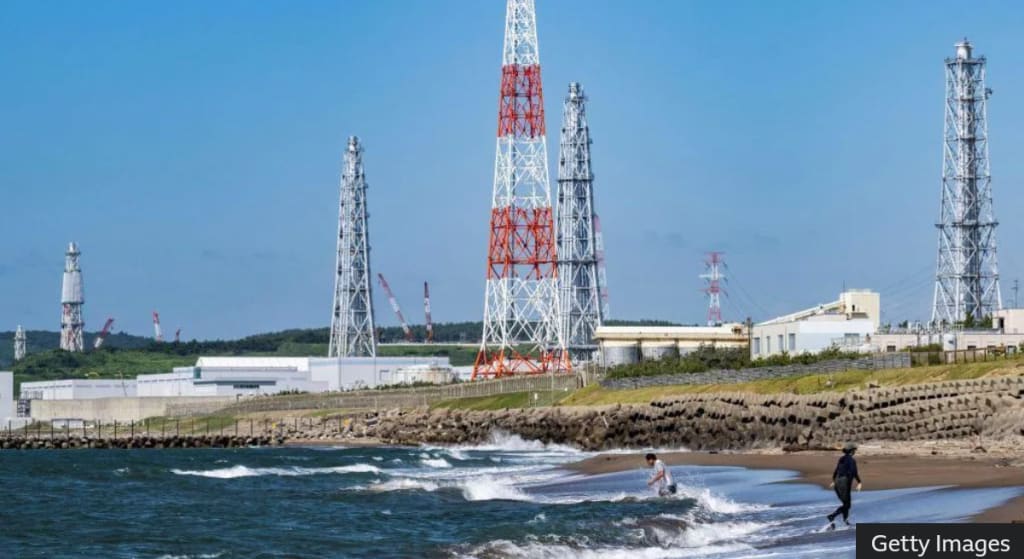
Japan has officially restarted the world’s largest nuclear power plant, a bold move that comes more than a decade after the catastrophic Fukushima disaster shook the nation and the global nuclear industry. The decision marks a significant shift in Japan’s energy policy, highlighting the country’s growing need for reliable electricity and its struggle to balance energy security with public safety concerns.
The plant, located in the southwestern part of Japan, is a massive facility capable of generating enough electricity to power millions of homes. Its restart is seen as a crucial step toward meeting Japan’s energy demands, especially amid rising fossil fuel costs and the global push to reduce carbon emissions. Nuclear energy offers Japan a low-carbon alternative to coal and natural gas, which currently make up a significant portion of the country’s energy mix.
However, the restart has reignited memories of the 2011 Fukushima Daiichi nuclear disaster. Triggered by a 9.0-magnitude earthquake and tsunami, the Fukushima crisis caused massive radiation leaks, forced mass evacuations, and left a lasting scar on the Japanese public’s perception of nuclear safety. Since then, Japan has shut down many of its reactors and imposed rigorous safety standards, making the decision to restart its largest nuclear plant highly controversial.
Officials have emphasized that the plant meets the highest safety standards, incorporating advanced technology designed to prevent another catastrophe. These measures include reinforced reactor buildings, multiple backup power systems, and state-of-the-art monitoring equipment. The Japanese government asserts that modern nuclear technology is safer than ever and that restarting the plant is essential for ensuring stable energy supplies, particularly as renewable sources like solar and wind continue to face challenges in providing consistent power.
Despite these assurances, public sentiment remains divided. Many citizens and environmental groups express deep concerns over the potential risks of another nuclear accident. Demonstrations and petitions have called on authorities to halt operations, highlighting fears that even the most advanced safety measures cannot fully eliminate the dangers of nuclear power. “Fukushima showed us how devastating a nuclear accident can be,” said one activist. “We cannot ignore the lessons of the past.”
Economically, restarting the plant offers Japan several benefits. Nuclear energy provides a stable and relatively low-cost source of electricity compared to fossil fuels, which are subject to volatile global markets. This stability is crucial for both households and industries, helping to keep electricity prices manageable and ensuring that factories and businesses can operate without disruption. Moreover, the restart could reduce Japan’s dependence on imported fossil fuels, enhancing energy independence and national security.
At the same time, Japan’s commitment to nuclear energy is part of a broader strategy to meet climate targets. The country aims to achieve carbon neutrality by 2050, and nuclear power is seen as a key tool in reducing greenhouse gas emissions. Unlike coal or natural gas plants, nuclear reactors do not produce carbon dioxide during operation, making them an attractive option for countries seeking to combat climate change while maintaining reliable power supplies.
International reactions have been mixed. Some energy analysts view the restart as a pragmatic choice in a world grappling with energy shortages and climate concerns. Others worry that Japan’s move could reignite global debates over the safety and sustainability of nuclear energy. Lessons from Fukushima continue to shape nuclear policy worldwide, with many nations closely monitoring Japan’s approach to safety, regulation, and crisis preparedness.
The restart process itself has been meticulous. Regulatory authorities conducted extensive inspections and simulations to ensure that the plant can withstand natural disasters, equipment failures, and other emergencies. Safety drills and contingency plans have been rehearsed to minimize the risk of accidents, reflecting lessons learned from past experiences. Yet, the shadow of Fukushima lingers, reminding both officials and citizens of the human and environmental costs that can arise from nuclear mismanagement.
Experts note that the success or failure of this restart could influence the future of nuclear energy in Japan and beyond. If the plant operates safely and efficiently, it may pave the way for additional reactor restarts, providing a reliable low-carbon energy source for decades. Conversely, any incident, however minor, could severely damage public trust and halt Japan’s nuclear ambitions, with far-reaching implications for energy policy, investor confidence, and international perceptions of nuclear safety.
In addition to safety and environmental concerns, there are social and political dimensions to the restart. Local communities near the plant have voiced apprehensions, demanding compensation, transparency, and assurances that their welfare will be prioritized. The government has pledged to maintain open communication and engage with residents, but rebuilding trust after Fukushima remains a complex challenge.
As Japan steps back into nuclear energy, it faces a delicate balancing act. The nation must navigate energy demands, climate commitments, economic pressures, and public apprehension, all while adhering to the highest safety and regulatory standards. The restart of the world’s largest nuclear plant is more than a technological milestone; it is a test of Japan’s ability to manage risk, reassure its citizens, and demonstrate responsible nuclear governance on the global stage.
Looking forward, the Japanese government will likely continue its cautious approach, gradually expanding nuclear operations while investing in renewable energy sources and maintaining rigorous safety oversight. The eyes of the world are watching closely, not only for lessons in energy management but also for insights into how societies reconcile technological ambition with past trauma and ongoing ethical concerns.
Japan’s nuclear journey is far from over. With memories of Fukushima still vivid, the country’s decision to restart its largest nuclear plant will shape debates on energy security, environmental responsibility, and the role of nuclear power in the 21st century for years to come. The world will be watching to see if lessons from history have truly been learned—or if the shadows of the past will continue to loom over Japan’s energy future.
About the Creator
Muhammad Hassan
Muhammad Hassan | Content writer with 2 years of experience crafting engaging articles on world news, current affairs, and trending topics. I simplify complex stories to keep readers informed and connected.
Keep reading
More stories from Muhammad Hassan and writers in The Swamp and other communities.
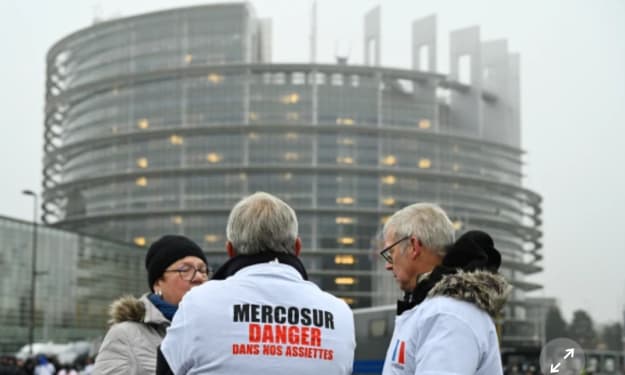
EU Lawmakers Stall Mercosur Trade Deal Amid Legal Concerns
In a significant development for international trade, European Union lawmakers have voted to suspend the approval of the Mercosur trade agreement, citing legal concerns related to environmental protection and human rights standards. The move underscores the growing tension between economic expansion and ethical trade practices, as Europe grapples with the implications of its largest trade deal with South America.
By Muhammad Hassan2 months ago in The Swamp
The Forsyth House Fire
Since 1851, Forsyth House has stood on the corner of Union Street and Gordon Street in the heart of Glasgow. Its iconic, or was... because on Sunday 8th of March, 2026, a fire broke out in a small, seemingly un-named shop in the building and tore all that history down. As I write, the rubble is still unsettled and the street is still blocked off. Central Station is quiet on the upper level, and around 30 small businesses have quite literally gone up in smoke.
By S. A. Crawford3 days ago in The Swamp
Hottest in the Office
Dear Rafi, You’re very distracting to work around. For the first second I saw you the other day, I thought you were some type of executive. It took a moment to realize no, you were just the new guy, dressed up for the job he wants. Be still, my heart.
By Gabriel Shames6 days ago in Pride



Comments
There are no comments for this story
Be the first to respond and start the conversation.