
Trump Says Putin Will Not Attack Ukraine Cities During Cold Week
An in-depth look at U.S. President Donald Trump’s statement on a temporary halt in Russian strikes amid extreme winter conditions — what it means for Ukraine, diplomacy, and the broader war

talinter
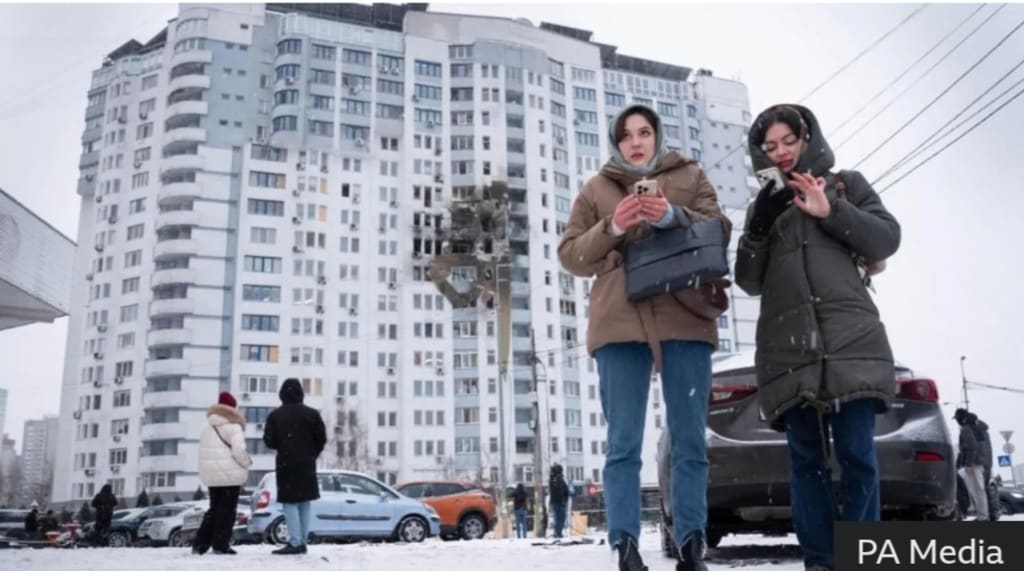
On January 29, 2026, U.S. President Donald Trump publicly announced that Russian President Vladimir Putin had agreed to refrain from attacking Kyiv and other Ukrainian cities for one week due to an “extraordinary cold” snap affecting the region. Trump made this claim during a televised cabinet meeting in Washington, describing the temperatures as record-breaking and extreme, both in Ukraine and in parts of the United States.
According to Trump, he personally requested this pause in Russian strikes to alleviate the suffering of civilians facing subzero conditions and widespread outages of power, heat, and water — a situation exacerbated by ongoing Russian attacks on Ukraine’s energy infrastructure. He characterized the agreement as unexpected but welcomed, noting that many had doubted it could be secured.
However, at the time of Trump’s statement, no official confirmation had come from the Kremlin regarding such an agreement. Russian authorities had yet to publicly acknowledge any commitment to halt strikes.
---
What Trump Claimed — And What’s Confirmed
Trump’s comments focused primarily on a one-week suspension of attacks on Ukrainian population centres, especially the capital, Kyiv. His remarks emphasized the humanitarian urgency posed by the extreme winter, with many Ukrainians struggling to heat their homes and access basic services due to repeated strikes on critical infrastructure.
Ukrainian President Volodymyr Zelenskyy responded positively, describing Trump’s announcement as an “important statement” and expressing hope that security for Kyiv and other cities could be ensured during the harsh weather. Ukrainian officials stated that discussions about such a pause had been part of negotiations held recently in the United Arab Emirates.
Despite these assurances, Russia itself had not publicly confirmed any pause in military operations, leaving uncertainty over whether the promised reduction in attacks would actually materialize.
---
Severe Conditions and Humanitarian Urgency
The backdrop to Trump’s announcement is one of deepening hardship for civilians in Ukraine. Russian strikes on energy and heating infrastructure have left millions without electricity, heating, or water as temperatures plummet. Ukrainian authorities warned of temperatures as low as −30°C (−22°F) in some areas, intensifying the humanitarian toll amid a war that entered its fifth year in February 2026.
Beyond civilian suffering, these conditions have strategic implications: attacks on energy infrastructure in winter can undermine civil resiliency, hinder medical services, and increase pressure on Ukrainian defenders. Temporary pauses in such attacks could, if honored, provide critical breathing room for repairs and relief.
---
Diplomacy on Multiple Fronts
Trump’s claim came amid broader diplomatic efforts involving Ukraine, Russia, and the United States. Tripartite talks held in the UAE had reportedly touched on security guarantees and cease-fire measures, although disagreements remain, especially over contested territories in eastern Ukraine and the scope of such guarantees.
Although Trump touted some “progress” in these discussions, senior Russian officials — including Foreign Minister Sergey Lavrov — have publicly questioned the credibility of U.S.-backed security arrangements demanded by Ukraine. This underscores the broader challenges facing negotiators attempting to bridge fundamental mistrust between Kyiv and Moscow.
Ukraine, meanwhile, has continued to experience intense attacks despite diplomatic overtures. Just days before Trump’s announcement, Russian strikes included lethal drone attacks and bombardments in regions such as Zaporizhzhia and Dnipropetrovsk, highlighting that combat operations are ongoing even as talks proceed.
---
International Reactions and Skepticism
International observers reacted with a mixture of cautious optimism and skepticism following Trump’s statement:
Supporters of the halt welcomed any reduction in violence, particularly given the humanitarian stakes of deep winter in Ukraine.
Critics pointed out that without independent confirmation from Russia, it remains unclear whether the purported cease-fire will be implemented or sustained.
Some analysts note that temporary, weather-driven pauses have occurred before in armed conflicts but stress that they do not necessarily lead to broader de-escalation unless accompanied by enforceable agreements and verification mechanisms.
---
What This Means Going Forward
Trump’s announcement — if followed by concrete action — could offer immediate, short-term relief for civilians enduring severe winter hardship. A weeklong pause in attacks might allow emergency repairs to power networks and give relief agencies a brief window to distribute aid without the immediate threat of bombardment.
However, the sustainability and scope of such a pause remain uncertain:
Will Russia fully honour a weeklong halt in attacks, or could it resume operations quietly or in surrounding areas?
Can the pause be leveraged into broader negotiations toward a lasting cease-fire or peace settlement?
How will Ukraine and its international partners ensure that humanitarian needs are met even if attacks are halted temporarily?
These questions reflect the broader complexities of the Russia-Ukraine war, where battlefield realities, diplomatic efforts, and humanitarian concerns intersect. Whether this development marks a meaningful step toward de-escalation — or remains a brief respite in a protracted conflict — will become clearer in the days ahead.
---
In short: Trump’s claim of a weeklong pause in Russian attacks on Ukrainian cities due to extreme cold highlights humanitarian urgency and diplomatic efforts — but also underscores the persistent uncertainties of a war that continues to exact a heavy toll on civilians and states alike.
About the Creator
Keep reading
More stories from Salaar Jamali and writers in The Swamp and other communities.
Endangered Whales Are Drowning in Record Numbers Because of the Fishing Industry in California
California’s iconic coastline, home to some of the world’s most majestic marine life, is witnessing a troubling surge in whale deaths. Endangered whales, including blue whales, humpbacks, and the critically endangered North Pacific right whale, are drowning at record rates — and experts point to the state’s fishing industry as a leading culprit.
By Salaar Jamalia day ago in The Swamp
Trump Praises UK Troops as Brave Warriors After Widespread Condemnation
Former US president hails British forces amid criticism over remarks Former US President Donald Trump has publicly praised UK troops, calling them “brave warriors” after facing widespread criticism for earlier controversial remarks. The statements, made during a recent interview, sparked intense debate in political circles and the media, highlighting the influence of public figures on international perceptions of military service. Trump’s comments have drawn both support and criticism, reflecting the polarized nature of his public image and the ongoing sensitivity surrounding military recognition. Trump’s Statements on UK Troops In his latest remarks, Trump lauded the dedication, courage, and professionalism of British armed forces. He emphasized their role in international security and described them as “among the most capable and disciplined military personnel in the world.” These statements came shortly after Trump faced widespread condemnation for earlier comments that some interpreted as dismissive of allied forces or critical of UK military operations. By highlighting the bravery of UK troops, Trump appeared to aim at repairing diplomatic and public perception, particularly in the United Kingdom. Public and Media Reactions Media coverage of Trump’s praise has been extensive, with outlets across the political spectrum weighing in. Reactions can be grouped into three broad categories: Supporters Applauded the recognition of British troops’ professionalism Praised Trump for showing appreciation for international allies Viewed the remarks as an example of bipartisan respect for military service Critics Questioned the timing of the praise, seeing it as politically motivated Criticized Trump for previous comments that were seen as undermining allies Expressed concern that the statements might oversimplify complex international military engagements Neutral Observers Focused on the importance of acknowledging all military personnel’s contributions Analyzed how public figures’ comments can impact diplomacy and morale The mixed response reflects both Trump’s polarizing status and the broader sensitivity surrounding discussions of military service. Context: Trump and Military Relations Trump’s relationship with military issues has been complicated. During his presidency, he frequently praised US troops while occasionally sparking controversy through comments about allies, funding, and engagement strategies. Analysts note that public praise for foreign troops is uncommon for US presidents, making Trump’s statements particularly noteworthy. It demonstrates an awareness of international perception and the symbolic power of recognizing allied military efforts. UK Troops: Dedication and Global Role The British armed forces play a significant role in global security, participating in peacekeeping, humanitarian missions, and multinational operations. Their service includes: Deployments in conflict zones Maritime security and anti-piracy operations Disaster response and humanitarian aid Trump’s praise aligns with the broader public perception of UK troops as highly trained, disciplined, and globally respected warriors. Recognizing these contributions resonates both with military personnel and citizens invested in national security. Diplomatic and Political Implications While Trump no longer holds office, his statements can influence public discourse and diplomatic perception. Experts suggest that such praise may: Improve US-UK military rapport in public opinion Signal respect for international allies, even after controversial remarks Shape narratives in media coverage of past and present military relations However, critics argue that verbal recognition alone cannot address broader policy concerns, such as troop welfare, funding, and strategic coordination between countries. Public Figures and Military Recognition Trump’s praise highlights a broader issue: how prominent figures influence public understanding of military service. Positive statements can boost morale and public respect, while controversial remarks may spark debates on ethics, diplomacy, and leadership. In democracies, leaders’ words carry weight, especially when discussing armed forces. Recognition, timing, and context all affect how statements are received by both the military community and the general public. Conclusion Donald Trump’s comments praising UK troops as “brave warriors” demonstrate the power of public acknowledgment in shaping perceptions of military service. While the remarks have been met with both support and criticism, they underscore the importance of recognizing the dedication of armed forces around the world. For UK troops, and indeed international military personnel, such recognition is a reminder of their courage, professionalism, and global impact. For observers, it serves as an example of how public figures’ statements can influence diplomacy, media narratives, and public perception—even years after leaving office.
By Fiaz Ahmed 5 days ago in The Swamp
Russian Strike on Ukraine’s Kyiv Leaves 1,330 Buildings Still Without Heat, Mayor Says
Winter in Kyiv is unforgiving, and for thousands of residents, it has become even harsher. Following a recent Russian strike on Ukraine’s capital, 1,330 residential buildings remain without heat, according to Kyiv Mayor Vitali Klitschko. As temperatures drop below freezing, the impact of these attacks goes far beyond damaged infrastructure — they strike directly at civilian life. This latest assault highlights a grim reality of the ongoing war: energy systems have become one of the most vulnerable and strategic targets, turning winter itself into a weapon. A City Left in the Cold The strike, carried out in late January, targeted key energy facilities across Kyiv. Missiles and drones hit power substations and heating infrastructure, causing widespread outages across the city. At its peak, nearly 6,000 apartment buildings lost heating, leaving families scrambling for warmth in the middle of winter. While emergency crews have restored heat to many areas, Mayor Klitschko confirmed that 1,330 buildings — roughly 15% of the city’s housing stock — remain without heating. For residents inside those buildings, daily life has become a test of endurance. Kyiv’s winter temperatures often fall well below zero, and without central heating, apartments can quickly become uninhabitable. Elderly residents, children, and people with chronic illnesses are especially vulnerable. Why Energy Infrastructure Is Being Targeted Since the early stages of the war, Russia has repeatedly targeted Ukraine’s energy infrastructure, particularly during winter months. The strategy is widely viewed as an attempt to break civilian morale by cutting off electricity, water, and heating when they are needed most. By striking power grids and heating systems, these attacks create cascading effects: Homes lose warmth and lighting Hospitals and schools face disruptions Businesses are forced to close Emergency services are stretched thin Unlike damage to military targets, infrastructure attacks impact entire neighborhoods at once, turning everyday survival into a struggle. Emergency Measures and Citywide Response In response to the crisis, Kyiv authorities activated emergency plans almost immediately. Municipal workers, energy engineers, and emergency services have been working around the clock to repair damaged systems and reconnect buildings to the heating network. To support residents still without heat, the city has opened warming centers, sometimes referred to as “resilience points.” These facilities provide: Heated spaces Hot drinks and food Charging stations for phones Internet access Basic medical assistance Schools, metro stations, and community buildings have been converted into temporary shelters where residents can warm up and rest. Mayor Klitschko praised repair crews for their rapid response but warned that repeated attacks make long-term stability difficult. Each new strike risks undoing days or weeks of repair work. Life Inside Unheated Homes For many Kyiv residents, living without heat has become an unfortunate routine. Families are layering clothing indoors, sleeping under multiple blankets, and using portable heaters when electricity is available. Some residents have temporarily relocated to friends’ homes or safer regions, while others simply endure, hoping repairs arrive soon. Community support has become essential, with neighbors checking on one another and sharing resources. Volunteer organizations and charities have stepped in, distributing thermal blankets, generators, and warm meals to the most affected households. In the face of hardship, solidarity has become one of Kyiv’s strongest defenses. A Broader Humanitarian Crisis The Kyiv outage is not an isolated incident. Across Ukraine, millions have experienced power and heating disruptions over the course of the war. Each winter attack deepens an already serious humanitarian situation. Ukrainian officials have repeatedly emphasized that these strikes are aimed at civilians, not military targets. International observers and humanitarian organizations have echoed those concerns, warning that continued infrastructure attacks could result in severe health crises if temperatures continue to fall. International Support and the Road Ahead Ukraine’s international partners have pledged continued support, not only in military aid but also in strengthening energy resilience. Air defense systems, backup generators, and funding for infrastructure repairs have become critical components of foreign assistance. However, experts warn that no energy system can remain fully protected under constant attack. Long-term solutions will require not only repairs, but reinforced grids, decentralized power sources, and sustained international cooperation. For now, Kyiv’s priority remains simple: restoring heat to every building as quickly as possible. Conclusion The Russian strike that left 1,330 buildings in Kyiv without heat serves as a stark reminder that modern warfare extends far beyond the battlefield. When energy systems are targeted, civilians bear the brunt — especially during winter. As repair crews work through freezing nights and residents adapt to life without warmth, Kyiv continues to demonstrate resilience. But the situation also raises urgent questions about civilian protection, humanitarian responsibility, and the true cost of prolonged conflict. Winter may be temporary, but the damage left behind — physical and human — will last far longer.
By Aqib Hussain4 days ago in The Swamp

Comments
There are no comments for this story
Be the first to respond and start the conversation.