
Russian Strike on Ukraine’s Kyiv Leaves 1,330 Buildings Still Without Heat, Mayor Says
Winter hardship deepens as energy infrastructure becomes a frontline target
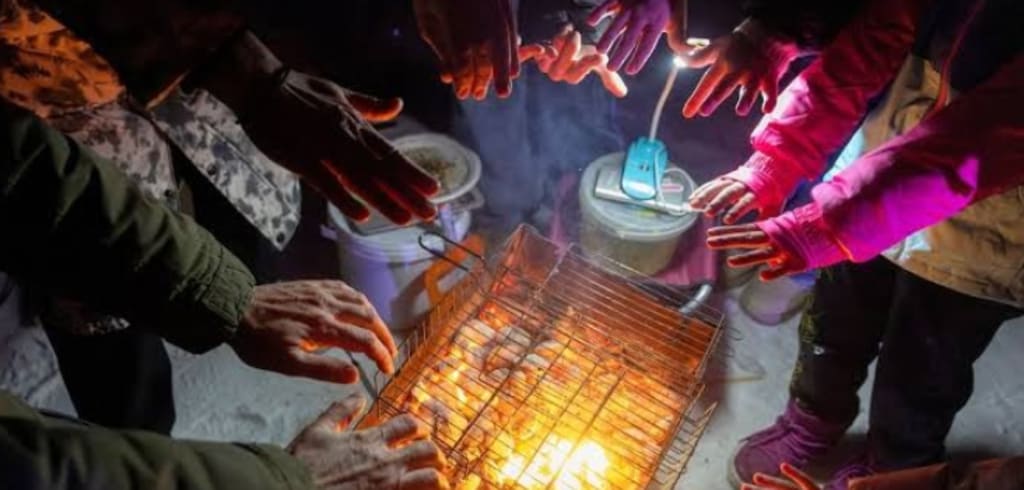
Winter in Kyiv is unforgiving, and for thousands of residents, it has become even harsher. Following a recent Russian strike on Ukraine’s capital, 1,330 residential buildings remain without heat, according to Kyiv Mayor Vitali Klitschko. As temperatures drop below freezing, the impact of these attacks goes far beyond damaged infrastructure — they strike directly at civilian life.
This latest assault highlights a grim reality of the ongoing war: energy systems have become one of the most vulnerable and strategic targets, turning winter itself into a weapon.
A City Left in the Cold
The strike, carried out in late January, targeted key energy facilities across Kyiv. Missiles and drones hit power substations and heating infrastructure, causing widespread outages across the city. At its peak, nearly 6,000 apartment buildings lost heating, leaving families scrambling for warmth in the middle of winter.
While emergency crews have restored heat to many areas, Mayor Klitschko confirmed that 1,330 buildings — roughly 15% of the city’s housing stock — remain without heating. For residents inside those buildings, daily life has become a test of endurance.
Kyiv’s winter temperatures often fall well below zero, and without central heating, apartments can quickly become uninhabitable. Elderly residents, children, and people with chronic illnesses are especially vulnerable.
Why Energy Infrastructure Is Being Targeted
Since the early stages of the war, Russia has repeatedly targeted Ukraine’s energy infrastructure, particularly during winter months. The strategy is widely viewed as an attempt to break civilian morale by cutting off electricity, water, and heating when they are needed most.
By striking power grids and heating systems, these attacks create cascading effects:
Homes lose warmth and lighting
Hospitals and schools face disruptions
Businesses are forced to close
Emergency services are stretched thin
Unlike damage to military targets, infrastructure attacks impact entire neighborhoods at once, turning everyday survival into a struggle.
Emergency Measures and Citywide Response
In response to the crisis, Kyiv authorities activated emergency plans almost immediately. Municipal workers, energy engineers, and emergency services have been working around the clock to repair damaged systems and reconnect buildings to the heating network.
To support residents still without heat, the city has opened warming centers, sometimes referred to as “resilience points.” These facilities provide:
Heated spaces
Hot drinks and food
Charging stations for phones
Internet access
Basic medical assistance
Schools, metro stations, and community buildings have been converted into temporary shelters where residents can warm up and rest.
Mayor Klitschko praised repair crews for their rapid response but warned that repeated attacks make long-term stability difficult. Each new strike risks undoing days or weeks of repair work.
Life Inside Unheated Homes
For many Kyiv residents, living without heat has become an unfortunate routine. Families are layering clothing indoors, sleeping under multiple blankets, and using portable heaters when electricity is available.
Some residents have temporarily relocated to friends’ homes or safer regions, while others simply endure, hoping repairs arrive soon. Community support has become essential, with neighbors checking on one another and sharing resources.
Volunteer organizations and charities have stepped in, distributing thermal blankets, generators, and warm meals to the most affected households. In the face of hardship, solidarity has become one of Kyiv’s strongest defenses.
A Broader Humanitarian Crisis
The Kyiv outage is not an isolated incident. Across Ukraine, millions have experienced power and heating disruptions over the course of the war. Each winter attack deepens an already serious humanitarian situation.
Ukrainian officials have repeatedly emphasized that these strikes are aimed at civilians, not military targets. International observers and humanitarian organizations have echoed those concerns, warning that continued infrastructure attacks could result in severe health crises if temperatures continue to fall.
International Support and the Road Ahead
Ukraine’s international partners have pledged continued support, not only in military aid but also in strengthening energy resilience. Air defense systems, backup generators, and funding for infrastructure repairs have become critical components of foreign assistance.
However, experts warn that no energy system can remain fully protected under constant attack. Long-term solutions will require not only repairs, but reinforced grids, decentralized power sources, and sustained international cooperation.
For now, Kyiv’s priority remains simple: restoring heat to every building as quickly as possible.
Conclusion
The Russian strike that left 1,330 buildings in Kyiv without heat serves as a stark reminder that modern warfare extends far beyond the battlefield. When energy systems are targeted, civilians bear the brunt — especially during winter.
As repair crews work through freezing nights and residents adapt to life without warmth, Kyiv continues to demonstrate resilience. But the situation also raises urgent questions about civilian protection, humanitarian responsibility, and the true cost of prolonged conflict.
Winter may be temporary, but the damage left behind — physical and human — will last far longer.
About the Creator
Keep reading
More stories from Aqib Hussain and writers in The Swamp and other communities.
Republican Senators Join Calls for Fuller Investigation Into Minneapolis Killing
In a rare moment of bipartisan alignment, several Republican senators have joined Democrats and civil rights advocates in calling for a fuller investigation into the killing that occurred in Minneapolis, reigniting national conversations around police accountability, justice, and transparency. The incident, which has already sparked public outrage and protests, is now drawing heightened scrutiny from federal lawmakers who argue that unanswered questions remain and that public trust depends on a thorough and independent review.
By Aqib Hussainabout 14 hours ago in The Swamp
The Australian Dollar Is (Oddly) Rising – What Does ‘Sell America’ Sentiment Have to Do With It?
The Australian dollar (AUD) has been on an unexpected upward trajectory, surprising economists, traders, and investors alike. While the AUD’s strength has typically been tied to domestic factors such as interest rates, commodity exports, and economic growth, recent market movements suggest that global sentiment, particularly towards the United States, is playing a surprising role. Analysts now point to a so-called “sell America” sentiment as a key driver behind the currency’s performance.
By Aarif Lashari4 days ago in The Swamp
First Asylum Seekers Moved into Former Army Camp
The arrival of the first group of asylum seekers at a former army camp has marked a significant moment in the government’s ongoing efforts to manage rising migration pressures. The move, described by officials as a “temporary and necessary solution,” has sparked intense debate among local communities, human rights organizations, and political leaders. While authorities argue that repurposing unused military sites is both cost-effective and practical, critics warn that such facilities may be unsuitable for vulnerable individuals seeking safety and dignity.
By Ayesha Lashari5 days ago in The Swamp



Comments
There are no comments for this story
Be the first to respond and start the conversation.