politics
Politics does not dictate our collective cultural mindset as much as it simply reflects it; We've got to look in the mirror sometimes, and we've got one.
A Ghost Town Votes in Myanmar Election’s Second Phase. AI-Generated.
In most countries, elections are noisy affairs. Streets fill with campaign posters, queues form outside polling statio Ins, and political debate spills into tea shops and living rooms. In parts of Myanmar, however, the second phase of the country’s elections has unfolded in near silence — so quiet that some polling stations stand in places where almost no civilians remain.
By Aqib Hussain14 days ago in The Swamp
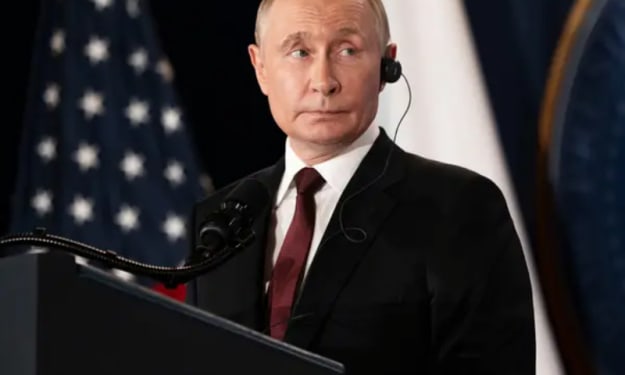
Why Putin Went Quiet When Challenged by Trump Over Venezuela. AI-Generated.
When President Donald Trump openly challenged Russian influence by taking decisive action in Venezuela, many observers expected a familiar response from Moscow—sharp rhetoric, diplomatic outrage, or at least a public show of defiance. Instead, the world got something unexpected.
By Aqib Hussain14 days ago in The Swamp
Owner of Swiss Bar in New Year’s Eve Fire Admits Service Door Was Locked from the Inside. AI-Generated.
New Year’s Eve is supposed to be about celebration, fresh beginnings, and shared joy. But in the Swiss ski resort town of Crans-Montana, the final night of the year ended in heartbreak and loss. A fire that broke out inside a packed bar turned a festive countdown into one of the deadliest nightlife tragedies in Switzerland’s recent history.
By Aqib Hussain14 days ago in The Swamp
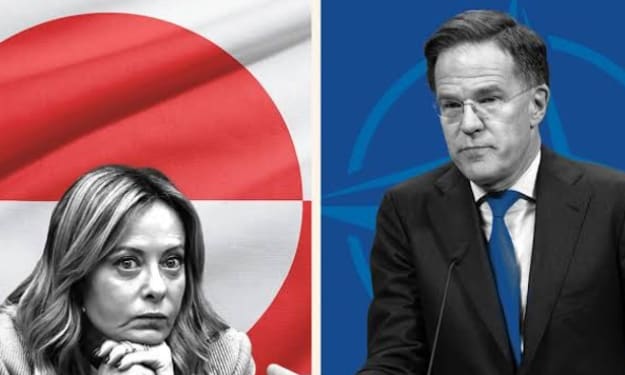
NATO Silence on Donald Trump’s Greenland Threats Rattles European Allies. AI-Generated.
When Donald Trump first floated the idea of acquiring Greenland during his earlier presidency, many dismissed it as another off-the-cuff remark. A headline designed to shock, provoke, and dominate the news cycle. But as Trump returns to the political spotlight and renews his rhetoric around Greenland — this time with sharper language and hints of coercion — Europe is no longer laughing.
By Aqib Hussain14 days ago in The Swamp
Russia‑Ukraine War: Key Events on Day 1,417. AI-Generated.
After more than 1,400 days of war, the Russia‑Ukraine conflict continues to dominate global headlines. Day 1,417, corresponding to January 11, 2026, offered a snapshot of a war that has become protracted, devastating, and highly complex. From intense fighting in eastern Ukraine to missile attacks, diplomacy, and economic pressures, the conflict shows no signs of letting up. Here’s a breakdown of the key events from Day 1,417, presented in a way that makes sense for anyone trying to follow this long-running crisis. A Violent Day on the Frontlines Even four years into the conflict, the fighting is far from over. On Day 1,417: Russian forces conducted artillery and drone attacks in Ukraine’s Dnipropetrovsk region, killing a civilian and injuring several others. Shelling in the Kramatorsk district of Donetsk resulted in further casualties. Additional attacks targeted towns such as Yarova, Kostyanynivka, and Sloviansk, highlighting the persistent intensity of fighting across eastern Ukraine. The Ukrainian General Staff reported over 130 combat clashes, with 33 air strikes and thousands of drones deployed across the frontlines. These numbers reflect that, despite international calls for peace, both sides remain heavily engaged in combat. Missiles, Drone Strikes, and Infrastructure Damage The war is no longer just about soldiers on the ground. Long-range weapons and drones have become central to the conflict: Russian forces launched a hypersonic Oreshnik missile targeting western Ukraine, a move that signals both military escalation and a warning to NATO countries. Missile and drone attacks disrupted heating and electricity in parts of Kyiv, affecting thousands of homes during the cold winter months. Ukraine responded by striking Russian facilities, including an oil depot in Volgograd, attempting to disrupt Moscow’s military logistics. Both sides are now capable of hitting deep into each other’s territories, showing how the war has evolved into a modern, technologically driven conflict. Diplomatic Tensions Continue While the bullets fly, diplomacy has not disappeared: The UN Security Council scheduled an emergency session to address Russia’s missile deployment near the Polish border—a move Ukraine and its allies see as highly provocative. Ukrainian officials publicly condemned Russian attacks, calling them a violation of international law. Russia, meanwhile, dismissed Western criticism, framing NATO’s support for Ukraine as a provocation and reiterating its territorial claims. These developments demonstrate that, even after nearly four years, diplomatic channels are strained but remain crucial, particularly as both sides attempt to manage the war’s global implications. Economic Pressure and Sanctions The war is also being fought in economic terms: Ukraine has expanded sanctions targeting Russian oil exports, aiming to weaken the Kremlin’s ability to sustain its military operations. The United States and EU countries continue to pressure third-party nations that maintain energy deals with Russia, highlighting how economic measures have become a key battlefield. Russian energy exports, especially refined fuel, have seen fluctuations, indicating how sanctions and war-related disruptions continue to impact global markets. The economic front underscores that the conflict extends far beyond the battlefield. Every missile, drone strike, and artillery shell has economic consequences for civilians and governments alike. The Human Cost of Day 1,417 Amid the statistics and military reports, the human toll remains staggering: Civilians in eastern Ukraine continue to suffer from shelling, loss of basic utilities, and displacement. Many towns remain inaccessible due to ongoing combat, leaving residents isolated and vulnerable. Winter conditions exacerbate hardships, especially as heating, electricity, and medical services are disrupted. Even after years of fighting, the war continues to impact ordinary lives more than any government statement or military report can convey. Why Day 1,417 Matters While one day may seem small in a war that has lasted nearly four years, Day 1,417 illustrates several key truths: The fighting is relentless. Despite international pressure, both sides remain committed to offensive operations. Technology dominates modern warfare. Drones, hypersonic missiles, and electronic warfare define the battlefield as much as ground troops do. Diplomacy is alive but strained. Global bodies like the UN still intervene, though meaningful peace talks remain elusive. Economic measures are now strategic weapons. Sanctions and energy disruptions affect the war’s trajectory and global markets. Each day adds another layer of complexity, another set of casualties, and another reminder that the war is far from over. Looking Ahead: What Comes Next With the frontline largely frozen but punctuated by periodic escalation, the outlook for the coming months remains uncertain: Ukraine will continue defending its territory while relying on international aid and sanctions to weaken Russia’s offensive capabilities. Russia will maintain aggressive tactics, testing Ukrainian defenses while signaling its influence to NATO and European countries. The global community faces difficult decisions, balancing humanitarian support, sanctions enforcement, and the risk of escalation beyond Ukraine. Day 1,417 serves as a snapshot of the ongoing struggle for power, survival, and sovereignty. The war has become a long-term conflict with global consequences, affecting politics, economics, and millions of civilians caught in the crossfire. Conclusion The Russia‑Ukraine war is no longer a short-term crisis—it’s a protracted conflict that has redefined modern warfare. Day 1,417 illustrates how fighting, diplomacy, and economic pressures are intertwined, and why the war’s outcome remains uncertain. While soldiers clash on the frontlines and leaders argue in global capitals, civilians bear the heaviest burden. Every day adds to the story of resilience, loss, and hope for a peaceful resolution. For those trying to follow the war, keeping track of daily events—like Day 1,417—helps make sense of a conflict that affects the entire world. And though the war rages on, the lessons from each day continue to shape the future of Ukraine, Russia, and international security.
By Muhammad Hassan14 days ago in The Swamp
Starmer Has Kept Trump on Side — But Is It Coming Back to Bite Him?. AI-Generated.
UK Prime Minister Keir Starmer has so far managed something many global leaders struggle to achieve: keeping Donald Trump broadly on side. Through careful language, diplomatic restraint, and an emphasis on shared interests, Starmer has avoided direct confrontation with the former—and potentially future—US president. But as Trump’s influence over American politics resurges, questions are growing over whether this strategy is becoming a political liability at home and abroad.
By Aarif Lashari14 days ago in The Swamp
Service Door of Crans-Montana Bar Where 40 Died in Fire Was Locked From Inside, Owner Says. AI-Generated.
A devastating fire at a bar in the Swiss resort town of Crans-Montana that claimed the lives of 40 people has taken a troubling turn, after the bar’s owner said a key service door was locked from the inside during the blaze. The revelation has intensified scrutiny of safety procedures, emergency exits, and possible negligence, as investigators work to determine how one of Switzerland’s deadliest nightlife fires in decades unfolded so catastrophically.
By Aarif Lashari14 days ago in The Swamp
Trump News at a Glance: Death of Renee Good at Hands of ICE Sparks Nationwide Protests. AI-Generated.
The reported death of Renee Good during an encounter involving US Immigration and Customs Enforcement (ICE) has sparked widespread protests across the United States, becoming a flashpoint in the already heated national debate over immigration enforcement, policing, and government accountability. According to initial reports circulating in US media and activist networks, Good’s death occurred during an ICE operation, prompting immediate outrage and calls for transparency.
By Aarif Lashari14 days ago in The Swamp
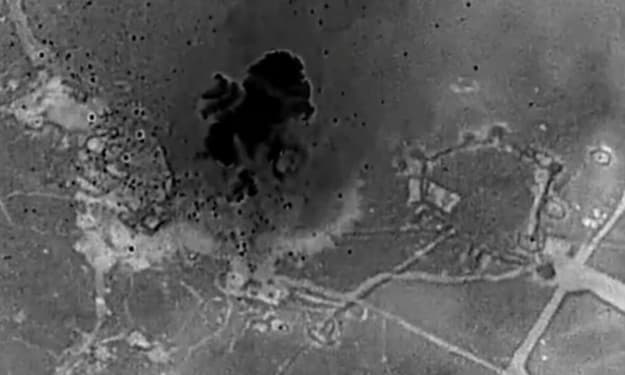
US and Allies Strike Islamic State in Syria After Attack That Killed Three Americans. AI-Generated.
The United States and its allies have launched targeted airstrikes against Islamic State (IS) positions in Syria following a deadly attack that killed three American service members. The operation marks a sharp escalation in the ongoing campaign against the extremist group and underscores Washington’s determination to respond forcefully when its personnel are targeted abroad.
By Aarif Lashari14 days ago in The Swamp
Trump Is Briefed on Options for Striking Iran as Protests Continue. AI-Generated.
As anti-government protests erupt across Iran and tensions escalate between Tehran and Washington, U.S. President Donald Trump has been officially briefed on a range of potential military options, including the possibility of striking Iranian targets if the situation worsens. The discussions reflect a dramatic moment in international relations, as unrest in Iran merges with long-standing disputes over its political system, nuclear ambitions and regional influence. �
By Fiaz Ahmed Brohi14 days ago in The Swamp
With Its 337 Meters and 100,000 Tons, the World’s Largest Aircraft Carrier Rules the Oceans. AI-Generated.
Stretching an astonishing 337 meters in length and weighing close to 100,000 tons, the world’s largest aircraft carrier is not just a ship—it is a floating symbol of modern military power, engineering excellence, and global influence. Often described as a mobile airbase at sea, this colossal vessel dominates the oceans, reshaping how naval warfare, diplomacy, and power projection are conducted in the 21st century.
By Fiaz Ahmed Brohi14 days ago in The Swamp
By Dumping Tonnes of Sand Into the Ocean for 12 Years, China Has Created Brand-New Islands From Scratch. AI-Generated.
Over the past twelve years, China has quietly carried out one of the most ambitious and controversial engineering projects in modern history: the creation of entirely new islands by dumping millions of tonnes of sand into the ocean. What began as small-scale land reclamation has evolved into a sweeping transformation of the South China Sea, reshaping geography, geopolitics, and international relations. How Artificial Islands Are Created The process behind these artificial islands is deceptively simple but technically complex. Specialized dredging ships extract sand from the seabed and pump it onto shallow reefs and submerged rocks. Over time, layer upon layer of sand is deposited, gradually rising above sea level. Once land emerges, it is reinforced with concrete, rock barriers, and infrastructure to prevent erosion. China has used this method extensively, particularly on disputed reefs and shoals. What were once barely visible features at low tide have become full-fledged islands, complete with runways, ports, radar systems, and buildings. Why the South China Sea Matters The South China Sea is one of the world’s most strategically important waterways. An estimated one-third of global maritime trade passes through it each year, carrying trillions of dollars’ worth of goods. The region is also believed to hold vast reserves of oil, natural gas, and rich fishing grounds. Multiple countries — including Vietnam, the Philippines, Malaysia, Brunei, and Taiwan — claim parts of the sea. China, however, asserts sweeping sovereignty over most of it, marked by its controversial “nine-dash line.” The creation of artificial islands has strengthened China’s physical presence and reinforced its territorial claims. From Sandbars to Strategic Strongholds What makes China’s island-building campaign particularly significant is how quickly reclaimed land has been militarized. Satellite imagery and independent analyses show airstrips long enough to handle military aircraft, deep-water harbors capable of hosting naval vessels, and advanced surveillance systems. These installations allow China to project power far beyond its mainland coast, extending its reach across Southeast Asia. Critics argue that these islands act as unsinkable aircraft carriers, altering the balance of power in the region. Environmental Consequences Beneath the Surface While the geopolitical implications are widely debated, the environmental cost is equally alarming. The dredging process destroys coral reefs, which are among the most biodiverse ecosystems on the planet. Sediment clouds generated during sand dumping smother marine life, disrupt fish breeding grounds, and permanently alter underwater landscapes. Marine scientists warn that damage to coral reefs can take decades — if it recovers at all. For coastal communities that rely on fishing, these changes threaten livelihoods and food security. International Law and Global Pushback China’s actions have drawn sharp criticism from the international community. In 2016, an international tribunal ruled that China’s expansive claims in the South China Sea had no legal basis under international law. The ruling also stated that artificial islands do not generate territorial waters or exclusive economic zones. China rejected the decision, calling it invalid and continuing its construction activities. Meanwhile, other nations have responded with diplomatic protests and increased naval patrols, including freedom-of-navigation operations by the United States and its allies. A New Kind of Territorial Expansion Historically, empires expanded by conquering land. China’s island-building represents a new model: creating territory where none existed before. This approach blurs the line between engineering achievement and strategic maneuvering, raising difficult questions about how international law should adapt to technological capabilities. If artificial islands become widely accepted as legitimate territory, it could set a precedent for other nations to reshape oceans for strategic advantage. The Broader Global Implications Beyond Asia, China’s actions have sparked global debate about maritime governance, environmental responsibility, and the future of territorial disputes. Smaller nations fear being sidelined, while major powers worry about the erosion of established international norms. At the same time, the sheer scale of the project highlights China’s engineering capacity and long-term planning. Turning submerged reefs into permanent landmass within just over a decade is a feat few countries could replicate. Conclusion: Engineering the Future of Power By dumping tonnes of sand into the ocean for over a decade, China has not merely created islands — it has reshaped the strategic landscape of an entire region. These artificial islands stand as symbols of ambition, controversy, and a shifting world order. As technology continues to expand what is physically possible, the challenge for the global community will be ensuring that innovation does not come at the cost of environmental destruction, regional stability, and international law. The islands may be made of sand, but their impact is anything but fragile.
By Fiaz Ahmed Brohi14 days ago in The Swamp