politics
Politics does not dictate our collective cultural mindset as much as it simply reflects it; We've got to look in the mirror sometimes, and we've got one.
Venezuela Has Detained Several Americans as Tensions With US Rise. AI-Generated.
Venezuela is once again at the center of international scrutiny as reports emerge that several American citizens have been detained by Venezuelan authorities. The arrests come amid escalating political tensions between Caracas and Washington, signaling a deepening rift in an already strained relationship between the two nations. The detained Americans, whose identities have not been fully disclosed for security reasons, are reportedly accused of activities that Venezuelan officials describe as threats to national security. While details remain sparse, experts say these arrests are likely a strategic move by the Venezuelan government to assert pressure on the United States amid ongoing diplomatic disputes. Venezuela’s relationship with the US has been fraught for decades, shaped by ideological differences, sanctions, and accusations of interference in internal affairs. The detention of foreign nationals, especially from the US, is not unprecedented. In past years, Washington has accused Caracas of using such arrests as political leverage, a tactic known as "hostage diplomacy," to extract concessions or negotiate favorable terms in sanctions and trade disputes. In response to the recent detentions, US officials have expressed concern and called for the immediate release of their citizens. The State Department issued a statement emphasizing the safety and rights of Americans abroad while urging Venezuela to adhere to international norms regarding the treatment of detainees. "We are deeply concerned about reports of the detention of American citizens in Venezuela and are working tirelessly to ensure their safe return," said a spokesperson. The arrests occur against the backdrop of rising tensions over oil, economic sanctions, and regional influence. Venezuela, rich in oil reserves, has long relied on its natural resources as a bargaining tool in international politics. With the US maintaining stringent economic sanctions aimed at curbing the Venezuelan government’s revenue streams, Caracas may be signaling its discontent and attempting to recalibrate its leverage. Political analysts suggest that these detentions could have multiple objectives. Firstly, they serve as a domestic message, demonstrating the government’s vigilance in protecting national sovereignty. Secondly, they are a warning to international actors that Venezuela will resist perceived foreign interference. Finally, they could be used as bargaining chips in potential diplomatic negotiations with Washington. Historically, cases of Americans detained in Venezuela have led to tense standoffs, negotiations, and sometimes the eventual release of the individuals involved through diplomatic channels. However, the process is often slow, complicated, and influenced by broader geopolitical considerations, including the US’s position on sanctions, regional security concerns, and alliances in Latin America. The impact of these detentions extends beyond the immediate diplomatic friction. Families of the detainees are facing immense stress and uncertainty, and advocacy groups have called for urgent interventions. Organizations such as Amnesty International have urged both nations to prioritize humanitarian considerations and ensure that the rights and safety of civilians are respected amidst political disputes. The international community is closely monitoring the situation. Neighboring countries, regional blocs, and human rights organizations have expressed concern over the potential implications for regional stability. Latin America has seen its share of political tensions in recent years, and incidents like these often exacerbate fears of further polarization and conflict. For the US, the challenge lies in balancing a firm stance on protecting its citizens while avoiding actions that could escalate tensions. Diplomatic channels remain the primary route for resolution, but military or economic options are sometimes discussed in public discourse, increasing the stakes of such incidents. As this situation unfolds, the world is watching closely. The detentions highlight the fragility of US-Venezuela relations and the complex interplay of domestic politics, international diplomacy, and strategic leverage. While the immediate future for the detained Americans remains uncertain, the broader implications for bilateral relations could be long-lasting, affecting trade, diplomacy, and regional alliances. In conclusion, the detention of several American citizens by Venezuela underscores the ongoing challenges in international relations, particularly between nations with contrasting political ideologies. As tensions rise, careful diplomacy, international advocacy, and adherence to legal norms will be crucial in navigating this crisis and ensuring that the rights and safety of individuals are upheld amidst geopolitical maneuvering.
By Fiaz Ahmed Brohi28 days ago in The Swamp
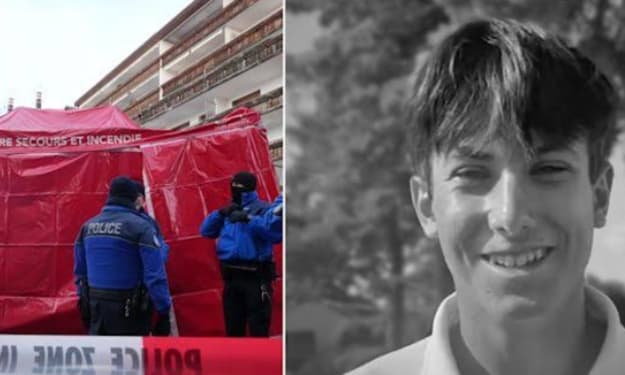
First Victim of Swiss Ski Resort Fire Named, as New Video Shows Bar Ceiling Alight. AI-Generated.
A devastating fire has struck a popular Swiss ski resort, leaving one confirmed victim dead and several others injured. The fire, which broke out on the evening of December 31st at a renowned mountain resort in Zermatt, has left both locals and tourists reeling. Authorities have now identified the first victim of the blaze, while chilling new video footage reveals the terrifying moments leading up to the eruption of flames within a ski resort bar.
By Aqib Hussain28 days ago in The Swamp
Saudi Arabia: NCM Warns of Cold Wave from Saturday to Tuesday Across Multiple Regions. AI-Generated.
Saudi Arabia is bracing for a sudden cold wave, with the National Center of Meteorology (NCM) issuing warnings for multiple regions from Saturday through Tuesday. The announcement comes as meteorologists predict a significant drop in temperatures, unusual for the Kingdom’s typically arid climate, prompting authorities and residents to prepare for the extreme weather.
By Fiaz Ahmed Brohi28 days ago in The Swamp
Bangladesh’s Big Question: Will Khaleda Zia’s Son Build on Her Legacy?. AI-Generated.
In the political landscape of Bangladesh, few names resonate as strongly as that of Khaleda Zia, the former Prime Minister and leader of the Bangladesh Nationalist Party (BNP). As a figurehead of the party and a central force in the country’s politics, Khaleda Zia shaped the nation’s direction for decades. However, with her advancing age, health issues, and the political tides shifting, the question on the minds of many is: Can her son, Tarique Rahman, continue to build on her legacy? Tarique, who has been an influential figure in the BNP for years, faces the monumental task of leading a divided party, navigating a changing political environment, and confronting the challenges that come with the heavy burden of a legacy as significant as his mother's.
By Aqib Hussain28 days ago in The Swamp
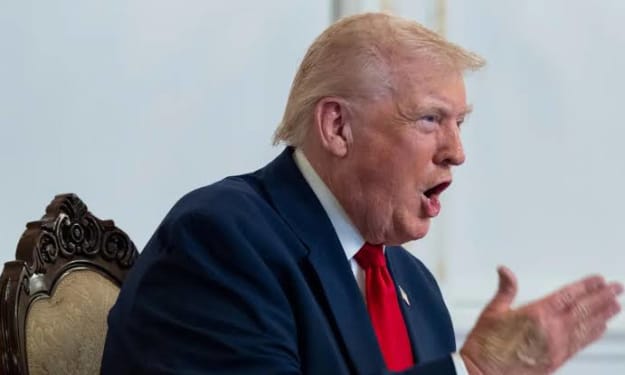
Trump Warns US Will Intervene if Iran Kills Protesters. AI-Generated.
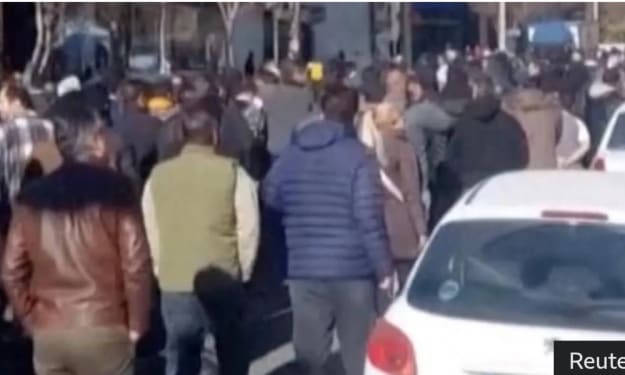
Former U.S. President Donald Trump has issued a stark warning to Tehran, stating that the United States will intervene if the Iranian government harms protesters amid ongoing demonstrations across the country. His comments have amplified concerns about the escalating crisis and sparked renewed debate over the U.S. role in foreign affairs. Protests in Iran: A Nation on Edge Iran has been gripped by nationwide protests in recent months, fueled by rising economic hardships, political repression, and social grievances. What began as localized demonstrations in major cities like Tehran, Mashhad, and Isfahan has expanded into a broader movement calling for government accountability. The protests have occasionally turned violent, with security forces clashing with demonstrators. Human rights organizations have reported dozens of deaths, hundreds of injuries, and thousands of arrests, though exact figures remain difficult to verify due to government restrictions on media and communications. Trump’s Warning In a public statement shared through social media, Trump declared that any lethal crackdown on protesters by Iranian authorities would trigger U.S. intervention. While he did not specify the form this intervention would take, his message was clear: the United States is closely monitoring the situation, and actions against civilians will carry consequences. Trump emphasized that the international community cannot remain silent in the face of human rights violations. “The people of Iran deserve freedom. If the regime crosses the line, the U.S. will act,” he said. Historical Context: U.S.-Iran Relations The warning comes against a backdrop of historically tense U.S.-Iran relations. Since the 1979 Iranian Revolution, diplomatic relations have been largely hostile, punctuated by events like the Iran hostage crisis, nuclear program disputes, and sanctions over weapons development. Trump, during his presidency, withdrew the United States from the 2015 Iran nuclear deal, arguing that it did not adequately prevent Iran from developing nuclear weapons. His administration imposed sweeping sanctions that targeted Iran’s oil exports and financial sector, further straining bilateral relations. Many experts see Trump’s latest comments as part of a broader effort to reassert American influence in the Middle East and signal deterrence against human rights abuses in Iran. International Reaction Trump’s warning has drawn attention from global leaders and human rights organizations. Some Western allies have expressed support for protecting protesters and condemning violence, though they emphasize diplomatic solutions rather than immediate military action. Meanwhile, Iranian officials have dismissed the warning as interference in their domestic affairs, accusing the United States of political posturing and attempting to destabilize the government. Iranian state media described Trump’s statements as “baseless threats” and reaffirmed the regime’s commitment to maintaining law and order. Implications for U.S. Foreign Policy Trump’s statement raises questions about how the U.S. might respond if the Iranian government escalates violence against civilians. Analysts suggest that intervention could range from targeted sanctions, diplomatic pressure, or support for opposition movements, to more direct measures, including military action. Some critics warn that such intervention could escalate tensions in the Middle East, potentially leading to broader conflict. They argue that while protecting human rights is crucial, unilateral action risks entangling the United States in another complex regional crisis. The Role of Social Media and Global Awareness The Iranian protests have gained international attention in part due to social media, with videos and images of demonstrations spreading rapidly across platforms. Trump’s comments have further amplified the issue, drawing attention from both global media outlets and international policymakers. Social media campaigns have also been a tool for activists, highlighting alleged government crackdowns and calling for accountability. Many observers believe that international scrutiny plays a significant role in shaping how regimes respond to internal dissent. Balancing Human Rights and Diplomacy The situation in Iran illustrates the delicate balance between advocating for human rights and respecting national sovereignty. While many in the international community condemn the use of force against civilians, direct intervention is fraught with political, strategic, and ethical considerations. Trump’s warning underscores the United States’ longstanding policy of supporting human rights globally, though it also reflects a confrontational approach that critics say could increase tensions. Looking Ahead The coming weeks will be crucial for Iran and the broader region. Observers are watching closely to see whether the Iranian government escalates its response or engages in dialogue with protest leaders. Meanwhile, the United States, under both Trump’s public statements and official channels, is signaling that the world is watching. For many Iranians, the international spotlight provides both hope and a reminder of the high stakes involved in protesting against authority. For global leaders, the challenge will be to balance pressure, diplomacy, and potential consequences while avoiding unintended escalation.
By Aarif Lashari28 days ago in The Swamp
Trump Says He Takes a Higher Daily Dose of Aspirin Than Doctors Recommend: What It Reveals About Power, Health, and Risk. AI-Generated.
Former U.S. President Donald Trump has once again sparked public debate—this time not with a policy decision or campaign rally, but with a personal health disclosure. Trump recently stated that he takes a higher daily dose of aspirin than doctors typically recommend. While the remark may appear casual, it has reopened important conversations about self-medication, cardiovascular health, and the influence of public figures on medical behavior. Aspirin is one of the most commonly used medications in the world. Often taken to reduce pain, inflammation, or the risk of heart attacks and strokes, it is also one of the most misunderstood drugs. Trump’s comment, therefore, carries significance far beyond his personal routine. Why Aspirin Is Prescribed — and Why Dosage Matters Low-dose aspirin is frequently prescribed to individuals at high risk of cardiovascular events because it helps prevent blood clots. However, medical guidelines emphasize precision. Too little may be ineffective; too much can be dangerous. Doctors typically recommend low-dose aspirin only when the benefits outweigh the risks. Higher daily doses can increase the chances of internal bleeding, stomach ulcers, and hemorrhagic stroke. Medical professionals stress that aspirin is not harmless simply because it is available over the counter. Trump’s admission that he exceeds recommended levels has raised concerns among health experts, not necessarily about his individual health, but about how such statements may be interpreted by the public. The Culture of Self-Medication Among the Powerful Trump is not the first influential figure to speak openly about managing health on his own terms. High-profile leaders often operate under intense stress, long schedules, and constant public scrutiny. This environment can foster a mindset of control—where personal judgment overrides medical advice. In Trump’s case, the statement aligns with his long-standing image of independence and resistance to convention. However, when leaders normalize self-adjusted medical decisions, it risks reinforcing a broader culture of self-medication. Health experts warn that what may be manageable under constant medical supervision can become dangerous when copied by the general population without proper guidance. Public Influence and Medical Responsibility When public figures speak about health habits, they do more than share personal anecdotes—they shape behavior. Millions listen, especially supporters who may view such disclosures as endorsements. Medical professionals have emphasized that aspirin therapy is highly individualized. Age, weight, medical history, and existing conditions all play a role in determining safe dosage. What works for one person—even a former president—may be harmful to another. This raises a critical question: should public figures frame health disclosures more carefully, especially when discussing medication? The Risks of “More Is Better” Thinking One of the most dangerous misconceptions in medicine is the idea that higher doses equal better protection. Aspirin does not work that way. In fact, excessive intake can erode the stomach lining, increase bleeding risk, and interact negatively with other medications. Studies have shown that unnecessary aspirin use in older adults can cause more harm than benefit. This is why many medical associations have revised their guidelines in recent years, advising caution even for long-term users. Trump’s statement, while brief, highlights how deeply ingrained the “more protection is better” mindset remains—even among those with access to top-tier healthcare. Transparency or Provocation? Some analysts believe Trump’s comment was an attempt at transparency, reinforcing an image of toughness and resilience. Others argue it fits his pattern of provocative remarks that generate headlines without elaboration. Regardless of intent, the reaction underscores how health disclosures by public figures are rarely neutral. They intersect with politics, trust in institutions, and public understanding of science. In an era already strained by medical misinformation, even small statements can have outsized effects. A Broader Lesson for the Public The real takeaway from this episode is not about Trump’s aspirin intake, but about how individuals approach their own health. Aspirin, like all medications, should be taken based on professional medical advice—not personal intuition or celebrity behavior. Doctors consistently urge patients to discuss any long-term medication use, especially blood thinners, with qualified healthcare providers. What seems like a minor adjustment can carry serious consequences over time. Conclusion: Health Is Not a Political Statement Trump’s revelation may fade from headlines, but the questions it raises remain relevant. Health decisions should be guided by evidence, not ideology, confidence, or public persona. In a world where leaders influence behavior simply by speaking, responsibility matters. Aspirin may be a small pill, but the conversation around it reminds us of a larger truth: when it comes to health, expertise—not bravado—should lead the way.
By Fiaz Ahmed Brohi28 days ago in The Swamp
Australian Fighter Killed in Ukraine Just Days Before His Wedding. AI-Generated.
The ongoing war between Ukraine and Russia has seen many sacrifices, and among those is the tragic death of an Australian volunteer fighter, who was killed just days before he was set to marry the love of his life. His story, which highlights the devastating effects of the war, also serves as a reminder of the personal toll the conflict has taken on individuals across the globe. This Australian hero's story is one of courage, love, and heartbreaking loss.
By Aqib Hussain28 days ago in The Swamp
Ship Seized in Finland Suspected of Cable Damage Was Carrying Sanctioned Russian Steel. AI-Generated.
In late December 2025, Finnish authorities seized a cargo ship under extraordinary circumstances. The vessel was suspected of damaging a critical undersea telecommunications cable in the Gulf of Finland. To complicate matters, it was discovered carrying Russian steel banned under European Union sanctions.
By Aarif Lashari28 days ago in The Swamp
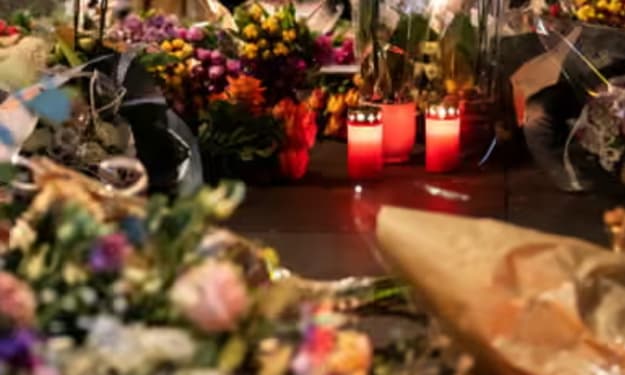
Mourners Gather to Pay Tribute to Crans‑Montana Resort Fire Victims. AI-Generated.
On New Year’s Eve, the picturesque ski town of Crans‑Montana, Switzerland, should have been alive with celebration, music, and laughter. Instead, it was shaken by tragedy. A devastating fire at the popular “Le Constellation” bar claimed dozens of lives, leaving families, friends, and the entire community in mourning.
By Aarif Lashari28 days ago in The Swamp
Mourners Gather to Pay Tribute to Crans-Montana Resort Fire Victims. AI-Generated.
The quiet alpine resort town of Crans-Montana, known worldwide for its serene beauty and luxury ski slopes, was transformed into a place of mourning as residents, families, and visitors gathered to honor the victims of a devastating fire that claimed multiple lives. Against a backdrop of snow-covered peaks and candlelit vigils, the community came together in a powerful display of solidarity, grief, and remembrance.
By Muhammad Hassan28 days ago in The Swamp
Executions in Saudi Arabia Hit Highest Number on Record in 2025. AI-Generated.
In 2025, Saudi Arabia reached a grim milestone. The kingdom carried out more executions than at any other point in its modern history, sending shockwaves through the international community and reigniting long-standing debates about capital punishment, human rights, and legal reform in the Middle East.
By Aarif Lashari28 days ago in The Swamp
Executions in Saudi Arabia Hit Highest Number on Record. AI-Generated.
Saudi Arabia has once again drawn intense global attention after reports confirmed that executions in the kingdom have reached the highest number ever recorded in a single year. The sharp rise has sparked renewed debate over capital punishment, legal transparency, and the broader direction of justice reforms promised under the country’s ambitious modernization agenda.
By Aarif Lashari28 days ago in The Swamp