history
Past politicians, legislation and political movements have changed the course of history in ways both big and small. Welcome to our blast to the past.
Liberals have a duty to save Trump loyalists from the brink of destruction
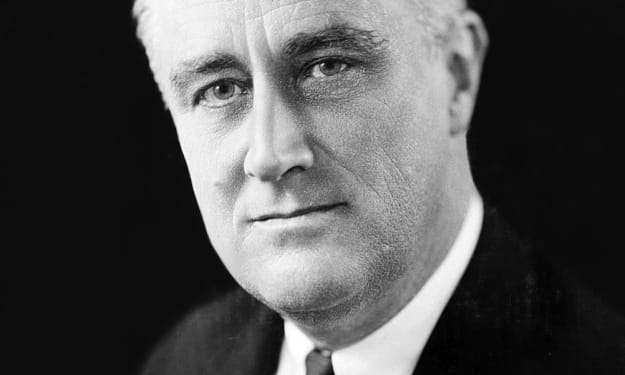
In 1933 President Franklin D. Roosevelt started the New Deal. It would run until 1939 and encompassed a series of public works and relief programs specifically targeted at rebuilding the ravages of the Great Depression. Among its infamous changes was the foundation of the Social Security Administration, minimum wage laws, and it eventually spiraled out into things like Medicare and others. The New Deal saved a dying class of Americans who were quickly being left behind by the modern world. Many had grade-school educations; they were carpenters, tradesmen, and laborers. Without Roosevelt’s New Deal, they would have been economically extinct, relegated to a short-life of extreme poverty. It was Roosevelt’s New Deal that cemented the Democratic Party as the party of the working class. He lifted working people up, and what followed were the worker’s unions, manufacturing jobs and decent salaries that built the American middle class into a force to be reckoned with. Despite Roosevelt’s liberal stance on social issues, many socially conservative workers voted for him each of the four terms he ran. Not because they were social justice warriors, but because Roosevelt had saved their asses, and they knew it.
By Jeremy Gosnell5 years ago in The Swamp
The Last Musketeer
Through-out the course of history there have been those events orchestrated by man that defined a generation. So it was that in the 18th century saw a generation on two continents become embroiled in revolution. These separate revolutions were the two most singular events during the latter half of the 1700's. A period which altered the course of history. The world in 1781 marked the end of the American Revolution which gave birth to what was to become that great noble experiment of Democracy. But, across the Atlantic seeds of another rebellion were already being sewed. A way of life for the Monarchy and the French Nobility was about to come to a violent tragic end.
By Dr. Williams5 years ago in The Swamp
History of Roman Slavery in Eastern Europe.
To understand why the history of Porrajmos, or slavery in eastern Europe has been forgotten or erased from memory, it lies in two main aspects of the problem of memory construction: the intra-cultural aspect of the Roman community and the socio-cultural dimension and the relationship between them.
By Viona Aminda5 years ago in The Swamp
What the Tsarnaevs Didn’t Know
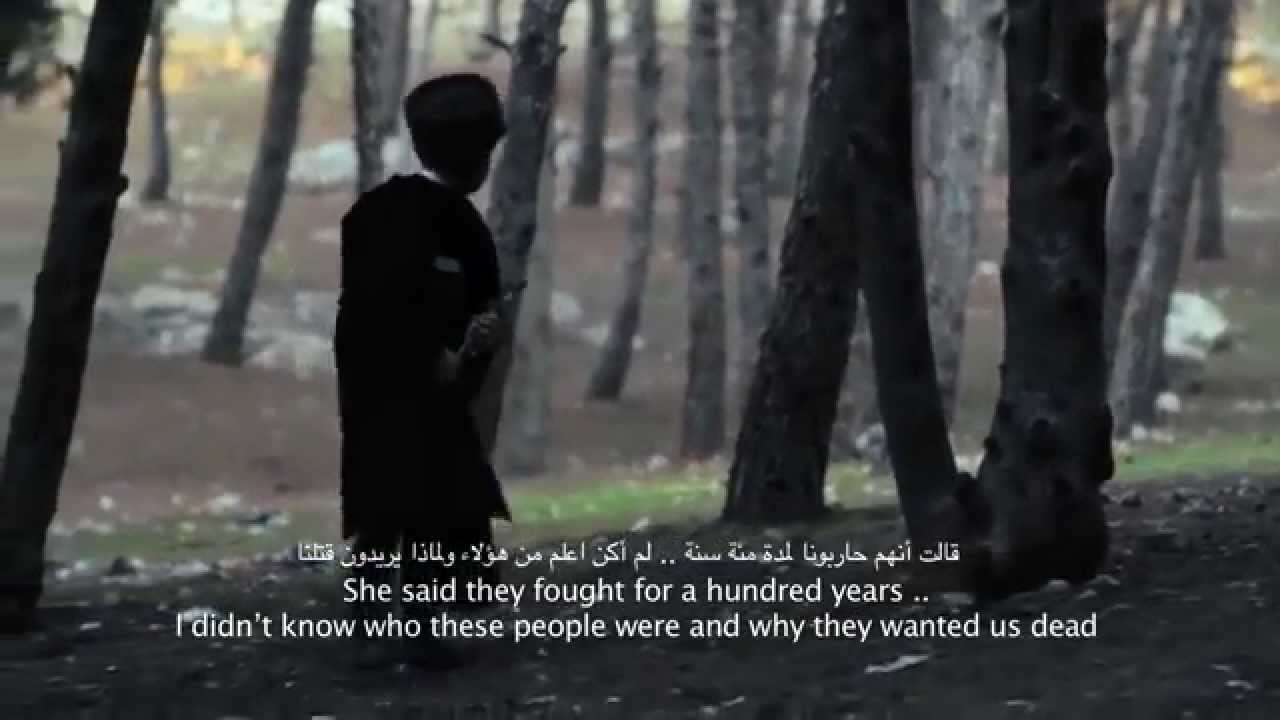
When the Boston bombing trial dominated the media, its perpetrators, the Tsarnaev brothers, were associated with a geography scarcely known by Americans: Chechnya. If there was any examination in Chechnya’s history, rarely did it go beyond this: the bombers hailed from a Republic whose leader, Dudaev, had briefly made a bid for independence in 1992, the upshot of which was a catastrophic twenty-year-long war that decimated the local population.
By Rebecca Ruth Gould5 years ago in The Swamp
King George VI
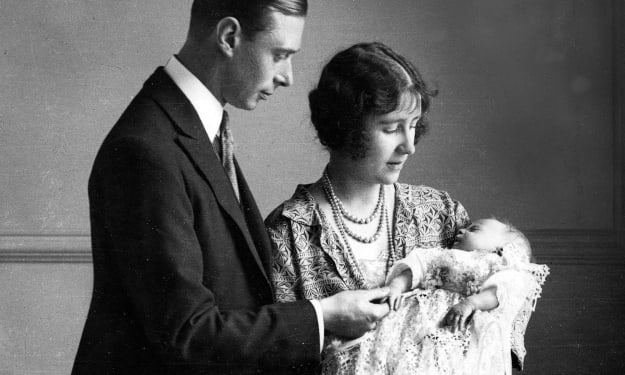
Our dear Queen’s (Elizabeth II) father, this King served our country through the Second World War. Unexpectedly becoming King after King Edward VIII abdicated, George VI became a conscientious and dedicated King, working hard to adapt to the role he was “suddenly thrown into.” With the support of his wife, Elizabeth, being reserved in nature with a deep religious belief, George VI overcame hardships --- both physical and political --- to become the King we admire today.
By Ruth Elizabeth Stiff5 years ago in The Swamp
History of Martin Luther King, Jr.
Born on January 15, 1929, we celebrate a holiday in honor of a man who was not a president, nor an explorer, nor a saint. Rather he was a Baptist minister and an American leader of the 1960s civil rights movement named for the Protestant Reformer Martin Luther after his father was inspired by a trip to Luther’s Wittenberg.
By Bill Petro5 years ago in The Swamp
Pulitzer prize-winner journalist who exposed the lies of Vietnam and broke the pentagon papers
In the seventies and eighties, teenagers automatically fascinated by the United States, the Vietnam War, Che Guevara, the Beatles, and so on. From a political point of view, the Vietnam War, the incursion of the then US President Richard Nixon, and the greatness of the American media, became a permanent attraction in the lives of many. Among them are Bob Woodward, Carl Bernstein, and his immortal work, All the Presidents Man, and Katherine Graham, a patient of The Washington Post. However, Neil Shihan, whose 'Paramvir Chakra' quality of heroism was based on journalism, remained relatively unknown. However, anyone who has read Neil's book, A Bright Shining Lie: John Paul von and America in Vietnam, at the right age, will have only immense respect and admiration for Shihan. It is not just a story of journalism that will appeal to media professionals. It is a charter. Be it an individual or a country; It's an amazing story of how once he got unlimited power, how he became a monster. But she made history. Journalism in America today stands on the same heroic history. The importance of this journalism, which has challenged Donald Trump and his shameless business from the first day of his presidency, has been underlined by Trump himself in the last few days. That confirmed Trump's ambush. Trump may have shaken American democracy. But the local media assured that it would not be too messy. Seeing that, Neil Shihan must have given up his life with satisfaction.
By Yogesh Sawant5 years ago in The Swamp