
Silver Dips on Profit-Taking Amid Easing Geopolitical Tensions
“Silver Prices Retreat as Investors Lock in Gains Amid a Calmer Global Risk Environment”

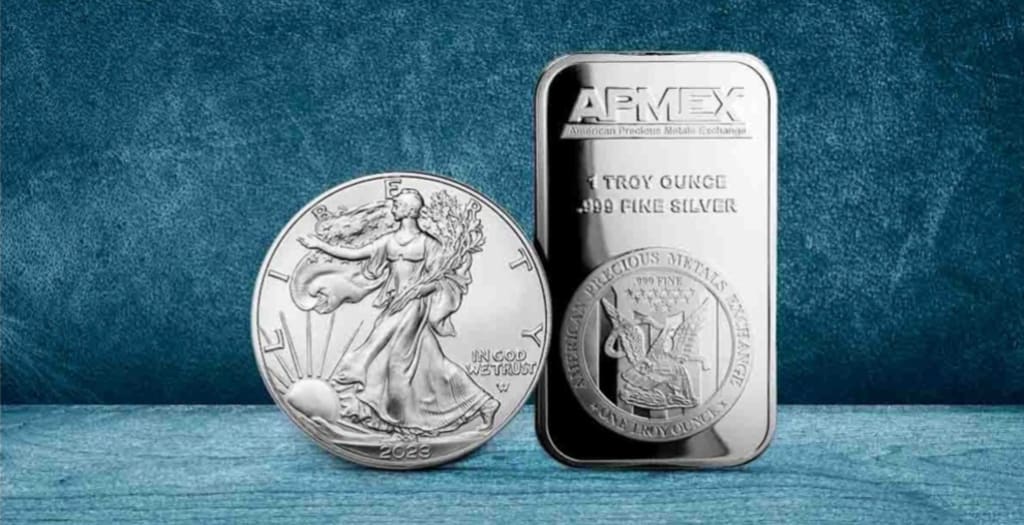
Silver prices recently experienced a notable correction as traders and investors engaged in profit-taking, driven largely by signals of reduced geopolitical tension around the world. This movement highlights the sensitive interplay between global political risk and commodity markets—especially precious metals like silver, which have long been viewed as safe-haven assets. In this article, we’ll explore why silver dipped, the role of geopolitical developments, and what this means for both short-term traders and long-term investors.
Understanding Silver’s Market Position
Silver occupies a unique position among commodities. Unlike gold, which is primarily held as an investment, silver has a dual identity—used both as an industrial metal and a store of value. It plays a vital role in electronics, solar panels, medical devices, and numerous industrial applications. At the same time, during times of uncertainty, investors traditionally flock to silver as an inflation hedge and safe haven.
This dual nature makes silver pricing especially sensitive to mixed economic signals. When global growth expectations rise, industrial demand can push prices higher. Conversely, when fear dominates markets—triggered by geopolitical conflict, currency turbulence, or economic instability—safe-haven buying can also elevate prices.
However, the reverse is true: when fear subsides, silver may lose its premium as a haven, and prices can retreat. This is exactly what recent market action has illustrated.
The Recent Rally and Subsequent Dip
In the months preceding the recent price dip, silver experienced steady gains. A combination of persistent inflationary pressures, concerns about tightening monetary policy, and escalated geopolitical tensions (including conflicts in Eastern Europe and Middle Eastern flashpoints) drove investors into precious metals. Silver, benefiting from both its industrial relevance and safe-haven appeal, saw heightened demand.
Yet markets are dynamic. Once silver’s price reached elevated levels, traders began locking in profits. This process, known as profit-taking, is common after sustained rallies. As prices soften, short-term holders exit positions to secure gains, which fuels further downward pressure.
The added catalyst was a shift in the geopolitical landscape. Reports of decreasing conflict intensity, successful diplomatic engagements, and fewer signs of escalation contributed to a calmer risk environment. When geopolitical tensions ease, investors often reallocate from safe-haven assets back into riskier instruments like equities and commodities tied more closely to economic growth. Silver, in this case, was one of the casualties of that rotation.
Geopolitical Easing: A Brief Overview
Geopolitical tension often translates into market volatility. When conflicts or diplomatic standoffs intensify, uncertainty becomes widespread—leading investors to seek refuge in perceived safe assets such as gold, silver, and government bonds. This phenomenon persisted recently as multiple international tensions fluctuated.
However, several positive developments have contributed to reducing fear in the markets. High-level diplomatic talks showed progress in key contested regions, ceasefire discussions gained momentum, and major powers signaled a willingness to de-escalate. While these movements are gradual and conditional, they were enough to temper extreme risk perceptions.
As a result, money began flowing out of safe havens and back into higher-beta assets. The silver market, historically more volatile than gold, reacted sharply. Traders who had accumulated positions during the height of uncertainty opted to secure profits rather than hold through shifting sentiment.
Profit-Taking: The Market’s Natural Cycle
Profit-taking is a critical mechanism in capital markets. It prevents imbalances caused by overextended rallies and reflects rational decision-making by investors. When asset prices climb rapidly, valuations may begin to exceed underlying fundamentals or risk premiums. Savvy traders will seize the moment to capture gains before potential reversals.
In the context of silver, the rally driven by heightened risk premiums had stretched prices to levels that some market participants considered overbought. Technical indicators began signaling potential exhaustion, which encouraged traders to liquidate positions.
Combined with the easing geopolitical backdrop, this led to a notable pullback. Importantly, such corrections should not automatically be interpreted as a long-term decline. Rather, they reflect the ebb and flow of investor psychology and risk appetite.
What This Means for Investors
For investors, the recent dip in silver prices offers both lessons and opportunities.
1. Short-Term Traders
Short-term traders thrive on volatility. A pullback after a rally can present lucrative entry points, especially if broader fundamentals remain supportive. Traders closely watching technical support levels may find the current price range to be a strategic buying zone, anticipating a rebound as global conditions evolve.
2. Long-Term Investors
Long-term holders of silver should focus less on short-term dips and more on underlying supply-demand dynamics. Silver’s industrial demand is expected to grow with increased adoption of renewable energy solutions and electronics manufacturing. Additionally, central bank monetary policies and inflation trends will continue influencing precious metals’ appeal.
For these investors, temporary price fluctuations are part of the journey and may even afford opportunities to accumulate positions at lower cost.
3. Risk Awareness and Diversification
The recent correction underscores the importance of diversification. Precious metals can cushion portfolios during periods of stress, but no asset class is immune to volatility. A balanced approach that reflects individual risk tolerance is essential.
Looking Ahead
Silver’s recent dip amidst profit-taking and easing geopolitical tensions highlights the metal’s sensitivity to macroeconomic and geopolitical signals. While short-term price movements may fluctuate, the fundamentals supporting silver—robust industrial demand and enduring safe-haven appeal—remain intact.
Markets will continue to react to global developments. Investors should monitor geopolitical progress, inflation data, industrial demand trends, and central bank actions to gauge future price trajectories.
In the meantime, the correction serves as a reminder: markets are driven as much by psychology and sentiment as by supply and demand. Understanding these forces equips investors to navigate cycles with greater confidence and strategic foresight.
About the Creator
Keep reading
More stories from Salaar Jamali and writers in The Swamp and other communities.
Silver Slips on Profit Booking as Easing Geopolitical Risks Weigh on Market Sentiment
Silver prices retreated in recent trading sessions as investors opted for profit booking amid signs of easing geopolitical tensions and a shift in broader market sentiment. After enjoying a strong rally driven by safe-haven demand, the precious metal has come under pressure as traders reassess risk appetite, global macroeconomic signals, and the outlook for interest rates. The pullback highlights silver’s dual role as both a precious and industrial metal, making it particularly sensitive to changing global conditions.
By Salaar Jamalia day ago in The Swamp
Trump’s Peace Board Charter and the $1 Billion Membership Proposal
In recent days, a draft charter for a newly proposed international body called the Board of Peace has become the subject of intense global discussion. Circulated by the U.S. administration to around 60 countries, the document outlines the structure and purpose of an organization that officials suggest could play a central role in international conflict resolution, starting with the crisis in Gaza. But one element of the proposal has drawn particular scrutiny: a requirement that nations contribute $1 billion in cash if they wish to hold their membership beyond a basic three-year period. What Is the Board of Peace? According to information from the draft charter and related reporting, the Board of Peace is intended as an international body that aims to promote “stability, restore dependable and lawful governance, and secure enduring peace in areas affected or threatened by conflict.” The initiative was first publicly announced by former U.S. President Donald Trump in January 2026 as part of what the U.S. government describes as the second phase of its broader Gaza peace plan. This phase follows an earlier ceasefire and outlines mechanisms for transitional governance and reconstruction in Gaza under international supervision. plomatic figures — including U.S. Secretary of State Marco Rubio, former British Prime Minister Tony Blair, Trump’s son-in-law Jared Kushner, and Middle East envoy Steve Witkoff — have already been named to an executive committee of the board. Invitations are understood to have been sent to leaders from nations such as Argentina, Canada, Egypt, Turkey, and others. The $1 Billion Membership Proposal The feature that has sparked the most international attention is the charter’s apparent provision linking extended membership privileges to a financial contribution. Under the draft charter’s terms, each member state would serve a three-year term, renewable at the board chair’s discretion. However, those countries that provide $1 billion in cash funds to the Board of Peace within the first year would not be subject to this three-year limit and could effectively retain their membership indefinitely. This requirement appears designed to incentivize significant financial involvement, but it has also raised questions about accessibility, equity, and the broader implications for international cooperation. Supporters of the idea argue that substantial funding would ensure the board has the necessary resources to respond effectively to complex crises — from reconstruction to peacebuilding efforts. Critics, however, worry that the high threshold could limit participation to wealthy states and give disproportionate influence to those with deep pockets. Leadership and Control The draft charter positions Trump as the inaugural chairman of the Board of Peace, granting him substantial authority over membership and governance issues. He would reportedly have the power to decide invitations, renew terms, appoint and remove executive board members, and even designate his own successor. Decisions by the larger membership would be determined by majority vote, but all outcomes would remain subject to approval by the chairman. Critics say this centralization of power could undermine principles of shared leadership and transparency in international affairs. Diverse Reactions from Around the World Reactions from global leaders and diplomatic communities have been mixed: Some invited nations have expressed interest or are considering participation, according to reporting on invitations extended by the Trump administration. Israel’s government has publicly objected to certain aspects of the peace plan, including board composition, noting that consultations were insufficient or potentially counter to its policy preferences. Other voices have raised broader strategic questions about the board’s role in comparison to established international institutions like the United Nations. Given Trump’s past criticisms of the U.N., some observers see this new entity as potentially overlapping with or even challenging traditional multilateral mechanisms. At least one nation — Argentina — has reportedly accepted an invitation to be a founding member, while others continue to deliberate. Debate Over the Financial Requirement The proposed $1 billion contribution for extended membership has become a focal point of debate. Supporters of the provision argue that significant financial commitments are necessary for any meaningful peacebuilding effort. International operations — especially those involving reconstruction, governance support, and humanitarian activities — require substantial funds to be effective. From this perspective, the requirement may help create a solid financial foundation for the board’s work. Critics, however, see potential downsides: Equity concerns: A steep financial barrier could exclude poorer nations from sustained involvement in an initiative aimed at global peace. Influence dynamics: There are fears that wealthy contributors could have outsized influence over decision-making, which may not align with wider international priorities. Institutional tension: The proposal could prompt questions about how this board interacts with established international entities like the United Nations and regional organizations. Some governments are reportedly evaluating the proposal and consulting with diplomatic partners to formulate a collective response. Others are observing developments closely before making commitments public. Transparency and Next Steps The White House has pushed back on some interpretations of the charter’s financial provisions, calling certain reports “misleading” and emphasizing that there is no formal “fee” for joining the board. Instead, officials frame extended membership as a reflection of deep commitment to the board’s goals of peace, security, and prosperity. Despite these assurances, the $1 billion figure continues to circulate in diplomatic and media discussions as a significant point of contention and analysis. It remains unclear how many countries will ultimately ratify the charter, whether the Board of Peace will gain broad international legitimacy, and how its operations might interact with other multilateral frameworks. The coming months — especially conversations at international gatherings such as economic forums and U.N. assemblies — could shed more light on these questions. Looking Ahead As this proposal continues to unfold, its long-term impact on international diplomacy and peacebuilding efforts will depend on broad global engagement and the ability to balance financial sustainability with inclusive, equitable participation. While the draft charter’s objectives reflect an ambition to rethink how peace initiatives are structured, the discussions surrounding its provisions — from leadership models to membership conditions — illustrate the complex terrain of contemporary geopolitics. The coming weeks and months will show whether the Board of Peace can secure widespread support without deepening existing tensions within the international community.
By Saboor Brohi 6 days ago in The Swamp
Japan Suspends World’s Largest Nuclear Plant Hours After Restart
Japan made headlines recently when the Kashiwazaki‑Kariwa Nuclear Power Plant, the world’s largest by capacity, had to halt operations just hours after restarting. The sudden suspension has reignited debates over nuclear safety, energy security, and Japan’s path to a carbon-neutral future.
By Aqib Hussaina day ago in The Swamp
So You Decided To Become a Nurse Practitioner:
So you decided to become an "Advanced Practice" nurse. Congratulations!... is what I would say if this was a good idea. Grad school? In this economy? What were you thinking? Likely it was something along the lines of either 1) “I've seen these other chucklefucks do it— Why can't I?” or even 2) “I've got a nice career, I should shake it up. I miss feeling like I have no clue what I'm doing.”
By Sandor Szabo8 days ago in Fiction



Comments
There are no comments for this story
Be the first to respond and start the conversation.