
Japan Suspends World’s Largest Nuclear Plant Hours After Restart
When hopes for energy stability hit an unexpected snag.
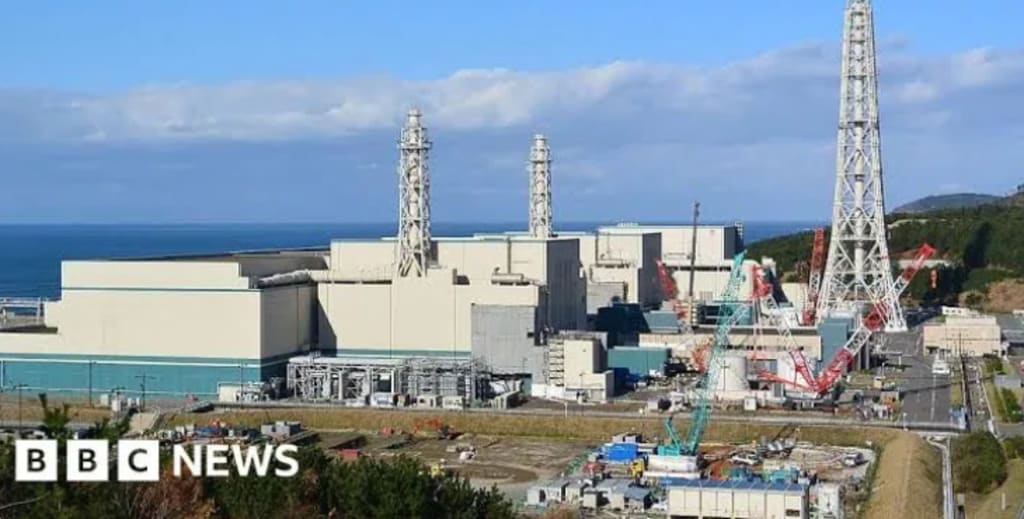
Japan made headlines recently when the Kashiwazaki‑Kariwa Nuclear Power Plant, the world’s largest by capacity, had to halt operations just hours after restarting. The sudden suspension has reignited debates over nuclear safety, energy security, and Japan’s path to a carbon-neutral future.
A Promising Restart… That Didn’t Last
On January 21, 2026, Tokyo Electric Power Company (TEPCO) successfully restarted the No. 6 reactor at Kashiwazaki‑Kariwa in Niigata Prefecture. For many, this was a symbol of Japan reviving its nuclear energy program after most reactors were shut down following the 2011 Fukushima disaster.
But the optimism was short-lived. Less than 24 hours later, an alarm triggered due to a malfunction in the reactor’s control rod system. For context, control rods are crucial for regulating nuclear reactions—they can stop or slow the fission process if needed. The malfunction forced TEPCO to pause operations indefinitely.
TEPCO assured the public that there was no radiation leak and no danger during the shutdown, but the incident still underscores the fragile nature of restarting nuclear reactors, even under the most stringent safety protocols.
Why Kashiwazaki‑Kariwa Matters
The Kashiwazaki‑Kariwa plant isn’t just any nuclear facility—it’s the largest in the world, with a total capacity exceeding 8 GW. Even a single reactor, like No. 6, can produce around 1.35 million kilowatts, enough to power over a million homes.
For Japan, nuclear energy isn’t just about electricity—it’s about reducing fossil fuel dependence and meeting its ambitious carbon neutrality goals by 2050. With energy costs rising, a reliable nuclear program seems more appealing than ever.
The Shadow of Fukushima
Despite these benefits, public skepticism runs deep. The Fukushima disaster left over 150,000 people evacuated and caused long-term environmental damage. TEPCO’s handling of Fukushima also eroded trust, making any nuclear incident, no matter how minor, highly scrutinized.
Local communities around Kashiwazaki‑Kariwa have voiced concerns over safety and emergency preparedness. Even with regulatory approval, a significant portion of residents remain uneasy about having a nuclear plant in their backyard.
Japan’s Energy Dilemma
This recent shutdown highlights the complex balancing act Japan faces. On one hand, nuclear energy provides stable, carbon-light electricity. On the other, technical glitches, aging infrastructure, and public distrust pose real challenges.
Renewable energy like solar and wind is expanding, but its intermittent nature makes nuclear a tempting option for consistent power supply. Yet critics argue Japan should focus more on renewables and energy storage rather than reviving aging nuclear plants.
Global Implications
Japan’s nuclear journey isn’t just a local story. Countries like France, South Korea, and the UK are watching closely, as they weigh safety, costs, and carbon reduction strategies. Japan’s experiences could serve as either a warning or a blueprint for nuclear energy management worldwide.
What’s Next?
TEPCO is conducting a thorough investigation to determine why the control rods malfunctioned. The timeline for restarting the No. 6 reactor remains uncertain, and public trust will play a big role in whether the plant’s future is secure.
Until then, Japan faces a critical question: How can it balance energy needs, climate commitments, and safety concerns?
Final Thoughts
The Kashiwazaki‑Kariwa incident is a stark reminder that nuclear energy isn’t just about technology—it’s about trust, oversight, and careful planning. As Japan navigates this path, the world watches closely, knowing that the stakes are high—not just for Japan, but for the future of nuclear energy everywhere.
About the Creator
Keep reading
More stories from Aqib Hussain and writers in The Swamp and other communities.
Jared Kushner Lays Out Trump-Backed ‘Master Plan’ for Post-War Gaza
Jared Kushner, former senior adviser to President Donald Trump, has once again stepped into the center of Middle East discourse by outlining what he describes as a Trump-backed “master plan” for post-war Gaza. The proposal, which has circulated through recent interviews, policy discussions, and media commentary, presents an ambitious — and deeply polarizing — vision for what Gaza could look like after the current phase of conflict ends. Supporters frame it as pragmatic and forward-looking, while critics see it as detached from political realities on the ground.
By Aqib Hussaina day ago in The Swamp
Zelensky Hopes Historic Ukraine-Russia-US Talks Mark First Step Toward Ending the War
In a remarkable diplomatic moment, Ukrainian President Volodymyr Zelensky has expressed cautious optimism that the first-ever trilateral talks between Ukraine, Russia, and the United States could become a meaningful step toward ending the nearly four-year-long war with Moscow. The ground-breaking negotiations — taking place in Abu Dhabi, United Arab Emirates — mark the first time representatives from all three sides have sat down together in an attempt to chart a path away from relentless conflict and devastation. �
By Ayesha Lashariabout 15 hours ago in The Swamp
Silver Dips on Profit-Taking Amid Easing Geopolitical Tensions
Silver prices recently experienced a notable correction as traders and investors engaged in profit-taking, driven largely by signals of reduced geopolitical tension around the world. This movement highlights the sensitive interplay between global political risk and commodity markets—especially precious metals like silver, which have long been viewed as safe-haven assets. In this article, we’ll explore why silver dipped, the role of geopolitical developments, and what this means for both short-term traders and long-term investors.
By Salaar Jamalia day ago in The Swamp


Comments
There are no comments for this story
Be the first to respond and start the conversation.