
Iran Warns of ‘Hazardous Consequences’ After EU Designates Revolutionary Guard as a Terrorist Organization
Tehran lashes out as Europe takes a historic step, deepening tensions and raising fears of regional escalation

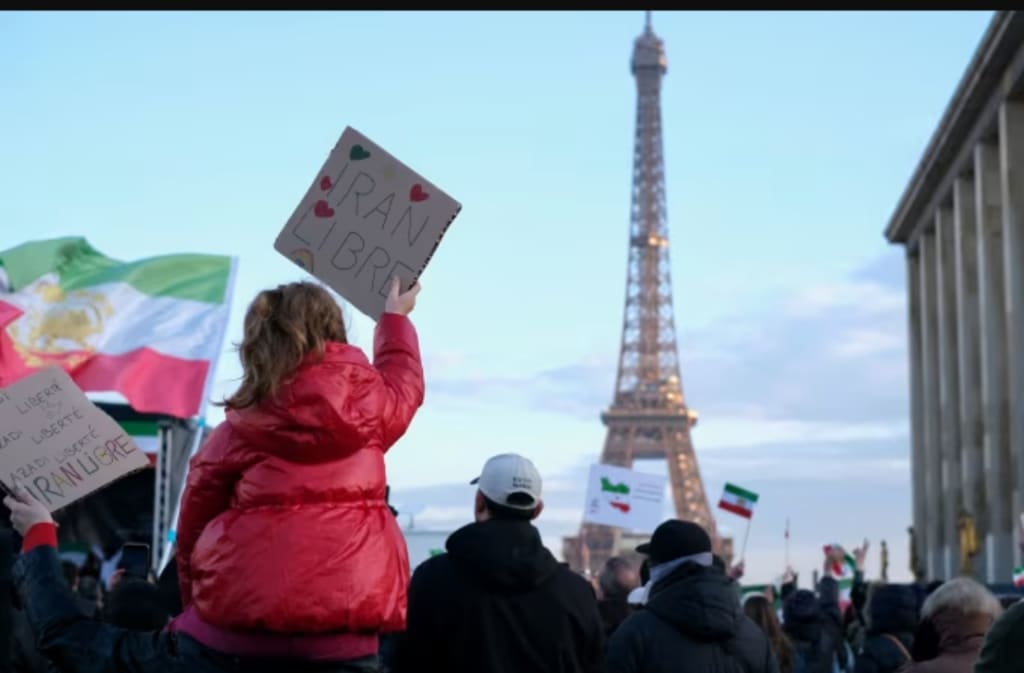
Iran has issued a stark warning of “hazardous consequences” after the European Union officially designated the Islamic Revolutionary Guard Corps (IRGC) as a terrorist organization, a move that marks one of the most serious escalations in EU-Iran relations in years. The decision has sent shockwaves through diplomatic circles, with Tehran accusing Europe of fueling instability and undermining any remaining prospects for dialogue.
The designation places the IRGC—one of Iran’s most powerful institutions—on the same blacklist as internationally recognized terrorist groups, signaling a major shift in Europe’s approach toward Tehran.
A Historic EU Decision
The EU’s decision to label the IRGC as a terrorist organization was approved unanimously by member states following months of debate. European officials cited the Guard’s role in violently suppressing domestic protests, alleged human rights abuses, and its involvement in destabilizing activities across the Middle East.
By taking this step, the EU aligns itself more closely with countries such as the United States and Canada, which have already classified the IRGC as a terrorist entity. The move allows European governments to freeze assets, restrict travel, and criminalize any support or affiliation with the organization within EU jurisdictions.
Iran’s Fierce Reaction
Iran’s response was immediate and severe. Senior officials condemned the designation as “reckless,” “politically motivated,” and a direct threat to regional security. In a statement released through state media, Iranian authorities warned that Europe would bear responsibility for the fallout.
Foreign Minister Abbas Araghchi said the decision would have “hazardous consequences”, accusing the EU of abandoning diplomacy in favor of confrontation. He claimed the designation undermines international law and sets a dangerous precedent by labeling a state military institution as a terrorist group.
Iranian leaders also suggested that the move could provoke retaliatory measures, though they stopped short of detailing specific actions.
What Is the Revolutionary Guard?
The Islamic Revolutionary Guard Corps was created after Iran’s 1979 Islamic Revolution to protect the ruling system. Over the decades, it has evolved into a powerful force with influence over Iran’s military operations, intelligence services, economy, and foreign policy.
The IRGC controls elite units, including the Quds Force, which operates beyond Iran’s borders and has been linked to proxy groups throughout the Middle East. Critics say the Guard plays a central role in suppressing dissent at home and projecting Iranian influence abroad.
For Tehran, the IRGC is not merely a military body—it is a pillar of the state.
Why Europe Took This Step
European governments have faced increasing domestic pressure to respond more forcefully to Iran’s actions, particularly following widespread protests and reports of harsh crackdowns on civilians.
Lawmakers argue that symbolic condemnations and targeted sanctions were no longer sufficient. Designating the IRGC as a terrorist organization sends a strong political message, signaling that Europe is willing to escalate its response to what it sees as systematic repression and destabilization.
Officials insist the move is not directed at the Iranian people, but rather at those responsible for violence and abuses.
Risks of Escalation
Iran’s warning highlights the risk that tensions could spiral further. Analysts caution that Tehran may respond by limiting diplomatic engagement, reducing cooperation on nuclear talks, or increasing pressure through regional allies.
There are also economic implications. Any escalation involving Iran could affect global energy markets, especially if tensions spill into the Persian Gulf. European economies, already sensitive to energy price fluctuations, could face renewed volatility.
Diplomatically, the designation could narrow the already limited channels for negotiation between Iran and the West.
Impact on Nuclear Diplomacy
The EU’s move comes at a delicate moment for efforts to revive or replace nuclear agreements aimed at limiting Iran’s nuclear program. Tehran has repeatedly warned that hostile actions reduce its incentive to cooperate.
Some analysts fear the designation could harden Iran’s stance, making compromise more difficult. Others argue that increased pressure is necessary to force meaningful change.
Either way, the decision complicates an already fragile diplomatic landscape.
A Turning Point in EU-Iran Relations
This designation represents a turning point. For years, the EU attempted to balance criticism of Iran with engagement and dialogue. By labeling the IRGC a terrorist organization, Europe signals that patience has worn thin.
Whether this strategy leads to accountability or deeper confrontation remains uncertain. What is clear is that relations between Iran and Europe have entered a far more volatile phase.
Conclusion
Iran’s warning of “hazardous consequences” following the EU’s designation of the Revolutionary Guard underscores the high stakes of this historic decision. The move reflects Europe’s growing willingness to confront Tehran over human rights and security concerns, even at the risk of escalation.
As tensions rise, the world is watching to see whether this moment leads to renewed confrontation—or forces a recalibration toward diplomacy. Either way, the EU-Iran relationship has fundamentally changed.
About the Creator
Asad Ali
I'm Asad Ali, a passionate blogger with 3 years of experience creating engaging and informative content across various niches. I specialize in crafting SEO-friendly articles that drive traffic and deliver value to readers.



Comments
There are no comments for this story
Be the first to respond and start the conversation.