
A Red Hat, Inspired by a Symbol of Resistance to Nazi Occupation, Gains Traction in Minnesota
From Wartime Defiance to Modern-Day Expression: How a Simple Red Hat Became a Powerful Symbol of History, Unity, and Democratic Values in Minnesota
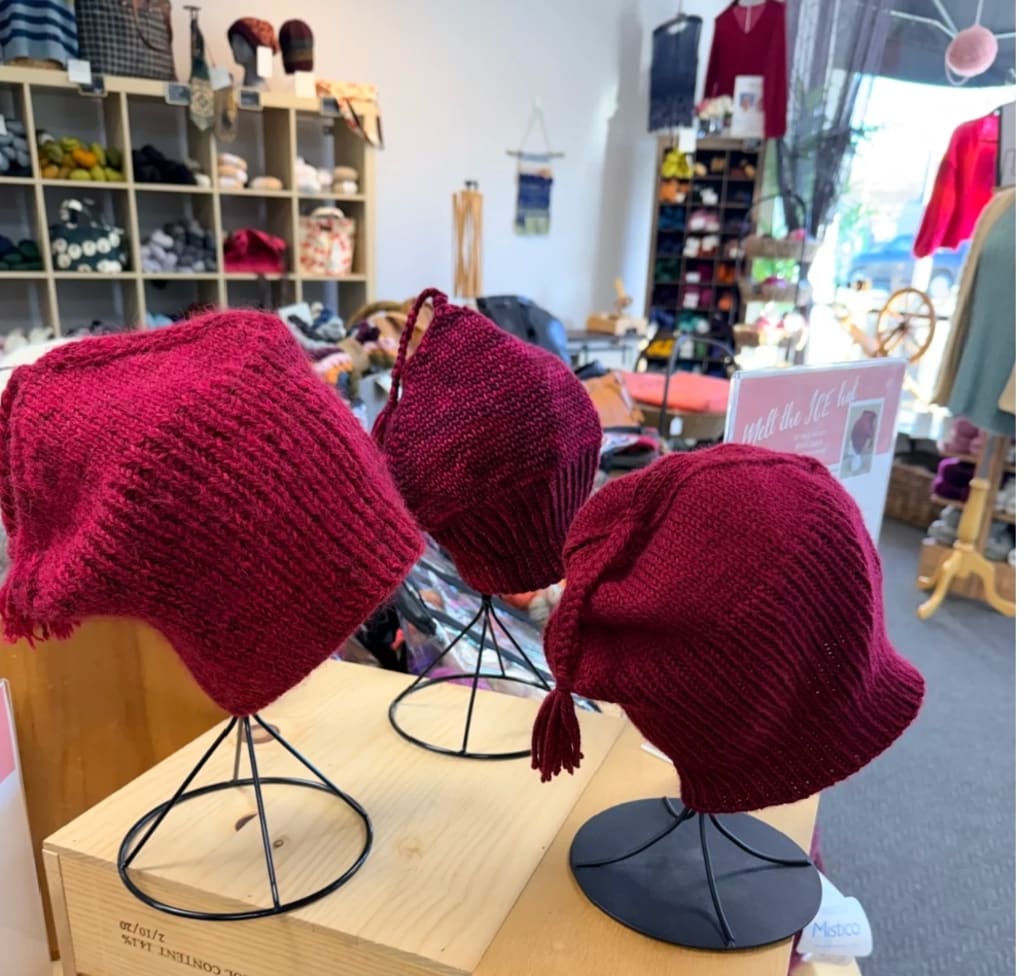
In recent months, a simple red hat has become an unexpected symbol of unity, remembrance, and quiet resistance across parts of Minnesota. Worn by students, activists, artists, and everyday citizens, this modest accessory carries a powerful historical meaning—one rooted in Europe’s resistance to Nazi occupation during World War II. What began as a niche cultural statement has now evolved into a growing movement, blending history, identity, and modern civic engagement.
The Historical Roots Behind the Red Hat
The inspiration for the red hat traces back to resistance movements in Nazi-occupied Europe, particularly in countries like Denmark, Norway, and France. During the Second World War, civilians and underground groups used subtle symbols—clothing, colors, and accessories—to signal defiance against occupying forces. These symbols allowed people to express solidarity and opposition without openly provoking retaliation.
Red caps and berets, in certain regions, became quiet markers of dissent. They represented courage, patriotism, and a refusal to surrender cultural identity. For many, wearing such items was a small but meaningful act of resistance, reminding both allies and occupiers that the spirit of freedom remained alive.
Decades later, historians and educators have continued to highlight these understated forms of protest as examples of how ordinary people resisted tyranny through everyday choices.
How the Symbol Reached Minnesota
The revival of the red hat in Minnesota began organically. Local educators, museum curators, and cultural organizations started discussing European resistance history in public forums, exhibitions, and social media campaigns. One community art project, launched in Minneapolis in late 2025, featured photographs and stories of wartime resistance, including the symbolism of clothing.
Soon after, a group of university students began wearing red knit hats during public lectures and community events. They described it as a tribute to those who stood up to oppression with limited resources but strong conviction. Photos of these gatherings spread online, sparking interest beyond academic circles.
Local designers and small businesses took notice. Within months, handcrafted red hats inspired by historical designs began appearing at farmers’ markets, bookstores, and cultural festivals across the state.
Why Minnesotans Are Embracing the Movement
Minnesota has long been known for its strong sense of community, civic participation, and social awareness. The red hat resonates with these values, offering a peaceful way for individuals to express their commitment to democratic principles and human dignity.
For many wearers, the hat symbolizes:
Respect for historical struggles against fascism
Support for freedom of expression
Awareness of modern threats to democracy
Solidarity with marginalized communities
In interviews and online discussions, participants often describe the hat as “a reminder to stay vigilant” and “a way to carry history into everyday life.”
Unlike loud slogans or aggressive protests, the red hat offers a calm, thoughtful form of expression. It invites conversation rather than confrontation, making it accessible to people across generations and political backgrounds.
The Role of Social Media and Local Artists
Social media has played a major role in amplifying the movement. Under hashtags like #RedHatResistanceMN and #HistoryInMotion, users share personal stories, photos, and reflections on why they choose to wear the symbol.
Local artists have also embraced the trend. Painters, photographers, and fashion designers have incorporated the red hat into their work, using it to explore themes of memory, resilience, and identity. Some exhibitions have paired modern images with archival photographs from World War II, creating powerful visual connections between past and present.
Musicians and spoken-word poets in Minneapolis and St. Paul have even referenced the symbol in performances, further embedding it into Minnesota’s cultural landscape.
Educational Impact and Community Dialogue
Perhaps one of the most significant outcomes of the red hat’s popularity is its educational impact. Schools and community centers have begun hosting workshops and discussions centered on resistance history, civil rights, and ethical citizenship.
Teachers report that students are more engaged when historical lessons connect to visible, modern symbols. The red hat has become a gateway to deeper conversations about:
The dangers of authoritarianism
The importance of individual responsibility
How small actions can influence social change
The relevance of history in contemporary politics
Libraries and museums have also joined the effort, organizing lecture series and exhibitions focused on wartime resistance and its modern parallels.
Balancing Meaning and Commercialization
As with many cultural symbols, growing popularity brings challenges. Some critics worry that mass production could dilute the hat’s original meaning. Large retailers have started selling generic red caps without historical context, raising concerns about commercialization.
Community leaders and historians emphasize the importance of education alongside fashion. Several grassroots groups now include information tags with each handmade hat, explaining its origins and significance. Online platforms also provide resources for those interested in learning more before participating.
This effort aims to preserve authenticity and ensure the symbol remains rooted in its original message of courage and conscience.
Looking Ahead: A Lasting Symbol?
Whether the red hat will remain a long-term fixture in Minnesota’s cultural life remains to be seen. However, its rapid adoption suggests a deeper desire among citizens to connect with meaningful traditions and express values through peaceful symbolism.
In an era often marked by polarization and digital noise, the movement offers something different: a quiet, thoughtful reminder that resistance does not always require loud confrontation. Sometimes, it begins with remembering the past and wearing it with purpose.
As one Minneapolis resident put it, “This hat isn’t about fashion. It’s about honoring people who stood up when it was dangerous to do so—and reminding ourselves that we might be called to do the same.”
Conclusion
The rise of the red hat in Minnesota reflects more than a passing trend. It represents a growing awareness of history, a respect for those who resisted oppression, and a renewed commitment to democratic values. Inspired by the courage of World War II resistance movements, Minnesotans are transforming a simple accessory into a meaningful statement.
By blending remembrance with modern expression, this red hat has become a symbol of resilience—proof that even in today’s complex world, small acts can still carry powerful messages.
About the Creator
Mine Collapses in Eastern Congo, Leaving at Least 200 Dead
Introduction: A Deadly Tragedy in Eastern Congo In a catastrophic incident that has shocked the world, at least 200 people are feared dead after a mine collapsed in the volatile and resource-rich eastern region of the Democratic Republic of Congo (DRC). The disaster, which occurred in the town of Kibitanga, has further highlighted the dangers faced by miners in an industry that remains central to Congo’s economy. Despite the country being one of the richest in the world in terms of mineral resources, including cobalt, gold, and copper, the lack of oversight, poor safety standards, and the reliance on artisanal mining have led to such incidents becoming disturbingly frequent.
By Ayesha Lashariabout 16 hours ago in The Swamp
Living in a hemp house
Hemp, a multi-purpose crop that delivers fibres, shivs, seeds, and pharmaceuticals is currently used in insulation materials and bio-composites for a more sustainable construction industry. Russ Martin and his wife Karon Korp tell their story as owners of the first hemp house in the U.S.
By Susan Fourtané 6 days ago in Interview




Comments
There are no comments for this story
Be the first to respond and start the conversation.