
India and EU Set for the ‘Mother of All Deals’ as Trump’s Tariff Uncertainty Looms
A Landmark Economic Partnership Emerges Amid Global Trade Turbulence
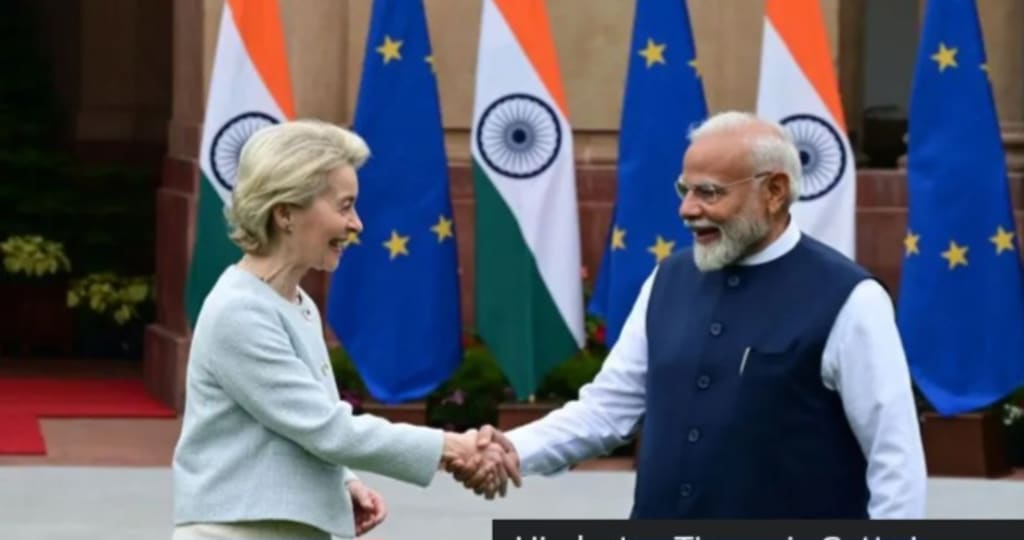
New Delhi / Brussels — January 24, 2026 — After nearly two decades of negotiations, India and the European Union (EU) are poised to conclude what may become the most transformative trade agreement of the 21st century — a pact that has been widely described by leaders on both sides as the “mother of all deals.” The landmark Free Trade Agreement (FTA), expected to be announced at the India‑EU Summit in New Delhi later this month, could reshape global commerce at a time when trade relations with the United States remain volatile under President Donald Trump’s tariff policies. �
The Times of India +1
Historic Deal Nears Finalisation After Years of Talks
Talks on an India‑EU FTA began as far back as 2007 and have crossed numerous political and economic hurdles since then. Multiple chapters of the comprehensive agreement — addressing goods, services, investment, intellectual property, and regulatory cooperation — are now in their final phases of negotiation. EU officials and Indian leaders alike have signalled confidence that an announcement is imminent during the summit scheduled for January 25–28, 2026, when EU leadership will be in India to attend Republic Day celebrations and bilateral meetings. �
The Economic Times +1
European Commission President Ursula von der Leyen has publicly characterised the deal as “historic,” noting that it would integrate two of the world’s largest markets — nearly 2 billion people and about one‑quarter of global GDP — into a more seamless economic partnership. �
Reuters
Defining the ‘Mother of All Deals’
The scale and ambition of the proposed India‑EU trade accord are unrivalled in India’s trade history. Commerce Minister Piyush Goyal — who previously spearheaded negotiations with other major economic blocs — has referred to this pact as the “mother of all deals,” reflecting both its size and its strategic implications. �
The Times of India
Once implemented, the FTA is expected to significantly lower tariffs on a wide array of products and services, from textiles and jewellery to machinery and chemicals — sectors where India has seen export growth slow amid rising international protectionism. European exporters, in turn, may see lower duties on key industrial goods such as automobiles, wine and spirits, and specialised equipment. �
Business Today
For India, restoring and expanding preferential access to the EU market is a priority. A significant development this year was the EU’s suspension of Generalised Scheme of Preferences (GSP) benefits for Indian exports, which had previously helped Indian products enter Europe at lower tariff rates. That suspension has increased costs for exporters and eroded competitiveness in key labour‑intensive industries such as garments and pharmaceuticals — a gap the FTA is designed to close. �
The Times of India +1
Strategic Timing: Trump’s Tariff Uncertainty
The push to finalise the India‑EU pact has taken on added urgency against the backdrop of trade uncertainty sparked by the United States. President Trump’s rhetoric and actions on tariffs — including threats of steep duties on imported goods — have sent shockwaves through global markets and shaken confidence among exporters worldwide. While some US tariffs on Indian imports remain in force, businesses are increasingly looking for stable, predictable trade relationships elsewhere. �
AOL
This climate of unpredictability has inadvertently strengthened the case for a deeper partnership between India and the EU. European and Indian policymakers have both stressed the need to diversify trade dependencies, reduce reliance on any single market, and build resilient supply chains that can withstand geopolitical shifts. Amid these pressures, the India‑EU agreement offers a rules‑based trading framework anchored in mutual market access and regulatory cooperation. �
www.ndtv.com
Benefits on Both Sides of the Deal
For India:
Expanded Market Access: The removal or reduction of tariffs on goods worth billions of dollars could significantly boost Indian exports, particularly in textiles, jewellery, pharmaceuticals and steel. �
India Seatrade News
Services Growth: The pact is expected to facilitate easier market access for India’s booming services sector, including IT and professional services — areas where Indian expertise is global in reach. �
Business Today
Economic Diversification: By strengthening trade with Europe, India can lessen its exposure to unpredictable tariff regimes in other markets. �
Moneycontrol
For the EU:
Diversified Supply Chains: European companies stand to benefit from stronger economic integration with a major emerging market, reducing reliance on China and other concentrated supply hubs. �
The Economic Times
Market Growth: EU exporters in automobiles, machinery and aviation sectors could access one of the fastest‑growing consumer markets in the world. �
Business Today
Geopolitical Leverage: A stronger economic partnership with India aligns with the EU’s broader strategy of forging resilient alliances amid rising global protectionism. �
The Times of India
Persistent Challenges and Red Lines
Despite the optimism, significant roadblocks remain. India has signalled that sensitive sectors such as agriculture and dairy will be shielded from sweeping tariff cuts. Automobiles and alcohol also present contentious points in negotiations, with phased tariff reductions under discussion. �
AOL
Non‑tariff barriers, including stringent EU regulatory standards, carbon border adjustments and data protection rules, pose additional challenges that could dilute some benefits unless resolved in the final text of the agreement. �
Moneycontrol
European Parliament approval is another potential bottleneck. As with many comprehensive trade agreements, ratification may take up to a year, especially given concerns among some EU lawmakers about environmental and labour standards. �
Reuters
A Turning Point in Global Trade
The emergence of the India‑EU FTA at this particular moment highlights a broader shift in global economic dynamics. At a time when protectionist sentiment has risen in key markets — underscored by unpredictable tariff threats from the United States — India and the EU are signalling a renewed commitment to open trade, cooperation and economic integration.
If successfully concluded, the deal could not only bolster bilateral commerce but also serve as a beacon for other nations seeking alternatives to volatile trade environments. It would stand as a testament to the enduring value of rules‑based trading systems in an increasingly fragmented world economy. �
About the Creator
Keep reading
More stories from Ayesha Lashari and writers in The Swamp and other communities.
Four Attacks in 48 Hours: How East Australia’s Beaches Became a ‘Perfect Storm’ for Sharks
In a shocking and unusually intense series of events, Australia’s east coast has witnessed four shark attacks in just 48 hours, prompting widespread beach closures, urgent warnings from authorities, and a sense of unease among locals and visitors alike. What began as a typical summer week in New South Wales quickly escalated into a perfect storm of environmental and human factors that brought these powerful predators closer to shore and into contact with swimmers and surfers in ways rarely seen before. �
By Ayesha Lashariabout 11 hours ago in The Swamp
Commerce Ministry Moves to Tighten Checks on Rs15bn Rice Export Support Scheme
Pakistan’s Commerce Ministry has initiated a move to tighten checks on the Rs15 billion rice export support scheme, signaling a shift toward stronger oversight and accountability in one of the country’s most important export sectors. The decision comes amid concerns over misuse of incentives, weak monitoring mechanisms, and the need to ensure that public funds translate into real export growth rather than windfall gains for a limited group of exporters.
By Salaar Jamaliabout 10 hours ago in The Swamp
Renewable Energy Market Size and Forecast 2025–2033: The Global Shift Toward a Clean Energy Economy
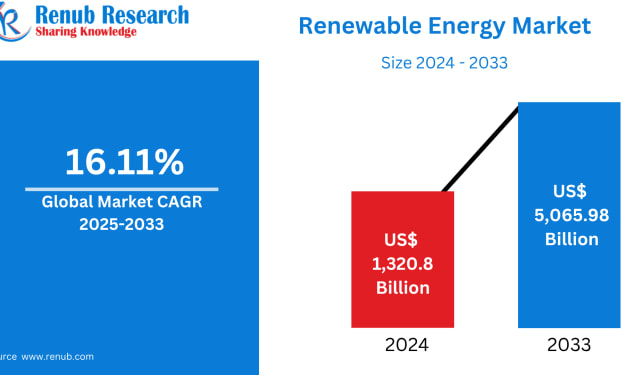
Renewable Energy Market Overview The global renewable energy market is undergoing one of the most significant transformations in modern economic history. According to Renub Research, the renewable energy market is projected to grow from US$ 1,320.8 billion in 2024 to US$ 5,065.98 billion by 2033, expanding at a robust CAGR of 16.11% during 2025–2033. This extraordinary growth reflects a worldwide push to reduce carbon emissions, strengthen energy security, and create a more sustainable future.
By Janine Root about 22 hours ago in The Swamp



Comments
There are no comments for this story
Be the first to respond and start the conversation.