
Commerce Ministry Moves to Tighten Checks on Rs15bn Rice Export Support Scheme
: Government seeks transparency and accountability as exporters face stricter compliance under revised incentive framework

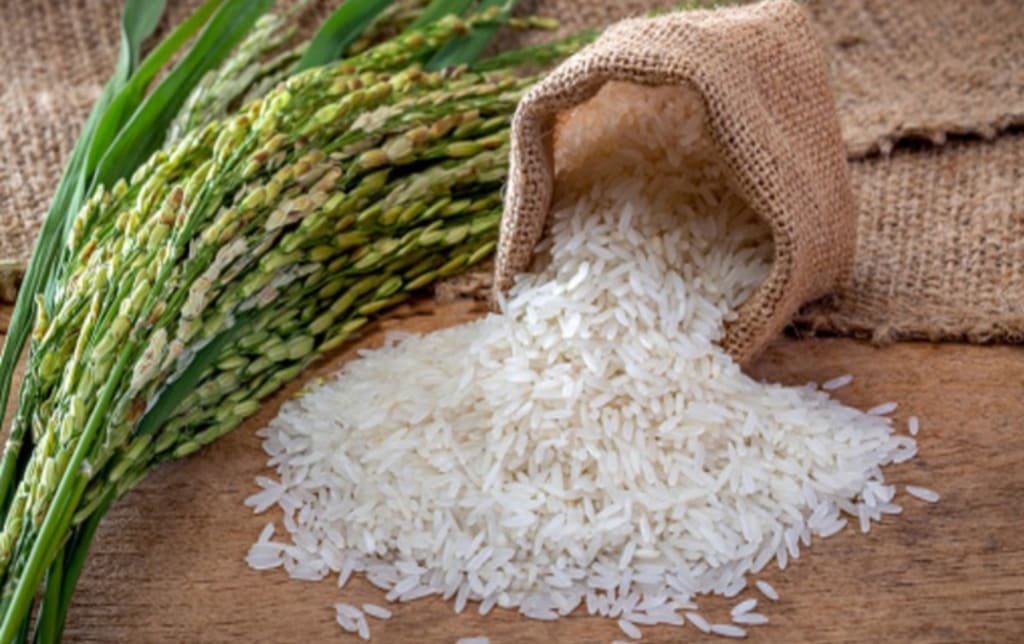
Pakistan’s Commerce Ministry has initiated a move to tighten checks on the Rs15 billion rice export support scheme, signaling a shift toward stronger oversight and accountability in one of the country’s most important export sectors. The decision comes amid concerns over misuse of incentives, weak monitoring mechanisms, and the need to ensure that public funds translate into real export growth rather than windfall gains for a limited group of exporters.
Rice is a cornerstone of Pakistan’s agricultural exports, consistently ranking among the top foreign exchange earners. With global competition intensifying and domestic production facing climate and cost pressures, the government introduced the Rs15bn support scheme to help exporters remain competitive in international markets. However, recent assessments suggest that gaps in verification and implementation may have diluted the scheme’s intended impact.
Background of the Support Scheme
The rice export support scheme was designed to offset high input costs, freight charges, and compliance expenses faced by exporters. By offering rebates and financial incentives, the government aimed to boost export volumes, diversify markets, and stabilize farm incomes.
Over time, however, officials observed discrepancies between claimed incentives and actual export performance. In some cases, exporters reportedly availed benefits without meeting value-addition or volume thresholds. These concerns prompted the Commerce Ministry to re-evaluate the scheme’s governance structure and introduce stricter checks.
Why the Ministry Is Tightening Oversight
At the heart of the ministry’s move is the need to protect public money. With fiscal pressures mounting and subsidy rationalization becoming a priority, the government is under increasing scrutiny to justify every rupee spent. The Rs15bn rice export scheme, while strategically important, represents a significant outlay that must demonstrate measurable returns.
Officials believe that tighter checks will help:
Prevent over-invoicing or false claims
Ensure incentives are linked to verified export data
Promote fair competition by discouraging rent-seeking behavior
Align support with broader trade and agricultural policies
By strengthening compliance, the ministry hopes to shift the scheme from a blanket incentive to a performance-driven support mechanism.
Key Measures Under Consideration
The proposed changes include enhanced documentation requirements, digital verification of export consignments, and closer coordination with customs and tax authorities. Exporters may be required to submit real-time shipping data, proof of foreign exchange realization, and evidence of compliance with quality and phytosanitary standards.
Another key element is post-disbursement audits, allowing authorities to recover funds if claims are found to be inaccurate. This approach mirrors practices in other export-oriented economies, where incentives are closely tied to audited performance.
The ministry is also exploring the integration of the scheme with existing trade databases to reduce manual processing and limit discretionary decision-making.
Impact on Rice Exporters
Reactions from the rice export community have been mixed. Larger, well-documented exporters generally welcome the move, arguing that transparency will enhance the sector’s credibility and ensure that incentives reach genuine players. Smaller exporters, however, have expressed concerns about increased compliance costs and administrative hurdles.
Industry representatives caution that while accountability is essential, excessive red tape could slow shipments and undermine competitiveness, especially in price-sensitive markets such as Africa and the Middle East. They have urged the government to strike a balance between oversight and facilitation.
Broader Implications for Agriculture and Trade
The tightening of checks on the rice export support scheme reflects a broader policy shift toward outcome-based subsidies. Rather than open-ended incentives, the government is increasingly focusing on schemes that deliver measurable export growth, value addition, and market diversification.
For farmers, improved oversight could mean more stable demand and better price transmission if incentives are effectively linked to export expansion. At the same time, ensuring that exporters meet quality standards can strengthen Pakistan’s reputation in global rice markets, reducing the risk of rejections and trade disputes.
From a trade policy perspective, the move also aligns with commitments to improve governance and transparency, particularly as Pakistan seeks to expand preferential trade arrangements and attract foreign investment in agri-processing.
Challenges Ahead
Implementing tighter checks will not be without challenges. Capacity constraints within regulatory bodies, resistance from vested interests, and the need for robust digital infrastructure could slow progress. Ensuring that enforcement is consistent and free from discretionary bias will be critical to maintaining industry trust.
Moreover, global market volatility—driven by climate risks, geopolitical tensions, and shifting consumer preferences—means that exporters still need timely support to remain competitive. Policymakers must therefore ensure that reforms do not inadvertently weaken the sector at a time of uncertainty.
Toward a More Effective Support Framework
The Commerce Ministry’s decision to tighten checks on the Rs15bn rice export support scheme marks an important step toward reforming export incentives. By emphasizing transparency, verification, and performance, the government aims to maximize the economic return on public spending while strengthening one of Pakistan’s flagship export sectors.
If implemented thoughtfully, the revised framework could set a precedent for other export support programs, balancing fiscal discipline with strategic trade promotion. In the long run, such reforms may help ensure that incentives drive sustainable growth rather than perpetuating inefficiencies—an outcome crucial for Pakistan’s economic resilience.
About the Creator
Keep reading
More stories from Salaar Jamali and writers in The Swamp and other communities.
A Massive Winter Storm Is Coming: Don’t Make These Mistakes as You Prepare
How to stay safe, avoid common preparation errors, and protect your home and family Winter storms are a natural hazard that can escalate quickly, leaving residents stranded, powerless, or exposed to life-threatening conditions. Meteorologists are warning of a massive winter storm approaching multiple regions, expected to bring heavy snow, ice, and frigid temperatures. While preparation is key, many people make avoidable mistakes that can turn a severe weather event into a disaster. Understanding these missteps and how to prevent them is crucial.
By Salaar Jamalia day ago in The Swamp
Winter Snowstorm: What To Expect If You’re Flying This Weekend—As Major Airlines Issue Waivers
Winter weather is about to make travel tricky this weekend as a major snowstorm sweeps across parts of the United States, prompting airlines to issue flight waivers and caution passengers to plan ahead. From cancellations to delayed departures, travelers should be aware of what to expect before heading to airports.
By Muhammad Hassan2 days ago in The Swamp
India and EU Set for the ‘Mother of All Deals’ as Trump’s Tariff Uncertainty Looms
New Delhi / Brussels — January 24, 2026 — After nearly two decades of negotiations, India and the European Union (EU) are poised to conclude what may become the most transformative trade agreement of the 21st century — a pact that has been widely described by leaders on both sides as the “mother of all deals.” The landmark Free Trade Agreement (FTA), expected to be announced at the India‑EU Summit in New Delhi later this month, could reshape global commerce at a time when trade relations with the United States remain volatile under President Donald Trump’s tariff policies. �
By Ayesha Lashariabout 9 hours ago in The Swamp



Comments
There are no comments for this story
Be the first to respond and start the conversation.