
Four Attacks in 48 Hours: How East Australia’s Beaches Became a ‘Perfect Storm’ for Sharks
What triggered a rare cluster of violent encounters and why experts urge caution rather than panic
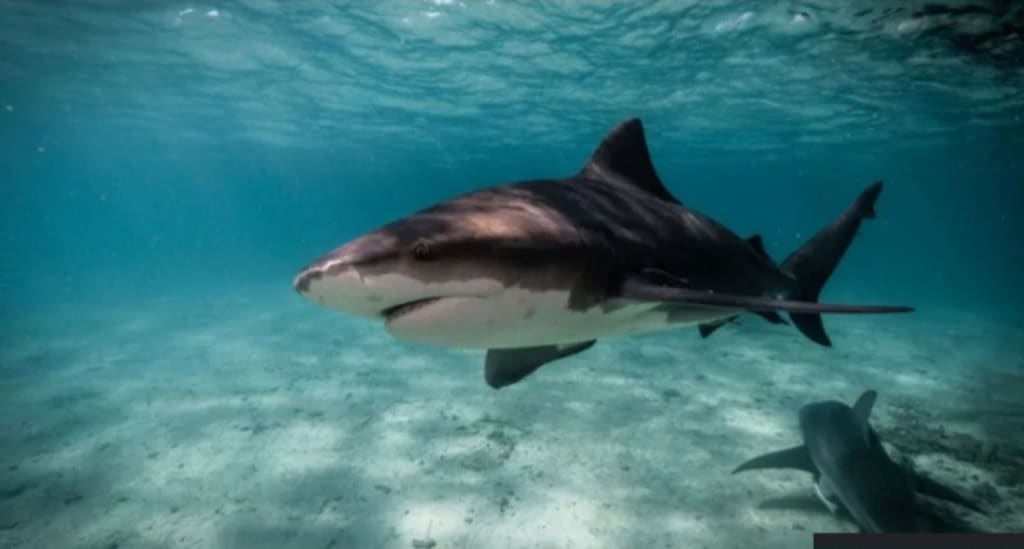
In a shocking and unusually intense series of events, Australia’s east coast has witnessed four shark attacks in just 48 hours, prompting widespread beach closures, urgent warnings from authorities, and a sense of unease among locals and visitors alike. What began as a typical summer week in New South Wales quickly escalated into a perfect storm of environmental and human factors that brought these powerful predators closer to shore and into contact with swimmers and surfers in ways rarely seen before. �
AOL +1
Between January 18 and January 20, 2026, four separate incidents involving sharks occurred along the New South Wales coastal waters. The first attack saw a 12‑year‑old boy critically injured while swimming in Sydney Harbour, followed the next day by an 11‑year‑old whose surfboard was bitten at Dee Why beach, and later that afternoon a 27‑year‑old surfer at Manly was severely mauled, resulting in life‑altering injuries. On January 20, a 39‑year‑old surfer was bitten at Point Plomer beach on the mid‑north coast, marking the fourth such incident in under two days. �
AOL +1
Environmental Conditions: The ‘Perfect Storm’
Marine scientists and shark behaviour experts say that these attacks did not occur in isolation—they were the result of a confluence of natural environmental changes that together formed a “perfect storm” for heightened shark activity. �
4BC
In the days leading up to the cluster of attacks, the Sydney region experienced heavy rainfall, with weather stations recording intense downpours that resulted in vast amounts of freshwater entering coastal waters. This sudden influx created turbid, brackish water, which sharks — especially bull sharks — find particularly attractive. Unlike many other shark species, bull sharks can tolerate low‑salinity environments and are known to venture into estuaries and coastal embayments following rain events. �
AOL
Dr. Rebecca Olive, a senior research fellow at RMIT University, explained that bull sharks thrive in warm, murky conditions with freshwater influence, which is exactly what occurred following the recent storms. Flood runoff likely carried nutrients and even sewage from inland areas into the ocean, creating a burst of bait fish activity that in turn drew larger predators closer to shore. �
AOL
This combination of low visibility, warm water, and abundant prey overwhelmed what would normally be relatively safe beach conditions and resulted in sharks patrolling near‑shore waters where humans were swimming and surfing. For at least one Sydney researcher, the proximity of multiple bites in such a short time was unprecedented in two decades of study. �
AOL
The Attacks: A Timeline of Unsettling Events
The first of the four incidents occurred on January 18, when a young boy was attacked in Sydney Harbour near Vaucluse. Despite being outside the netted swimming enclosure and rock jumping with friends, the encounter was severe, ultimately leading to critical injuries and later his tragic death—bringing home how vulnerable even harbour waters can be under certain conditions. �
Reuters
On January 19, only the next day, an 11‑year‑old had a close call when a shark bit through his surfboard at Dee Why Beach. Though unharmed himself, the incident was unsettling both to him and the community. Later that same day, a 27‑year‑old surfer off Manly Beach suffered catastrophic injuries, losing his lower leg in what has been described as a horrific mauling. Quick actions by fellow surfers and emergency responders were credited with saving his life. �
The Sun
By January 20, authorities and beachgoers were already on high alert when a fourth attack occurred at Point Plomer Beach. A 39‑year‑old surfer sustained minor injuries when a shark bit his board, an incident that, while less severe, rounded out a frightening cluster of attacks along the coastline. �
AOL
Authorities Respond: Closures and Safety Measures
In response to these consecutive events, dozens of beaches were closed along the east coast, with NSW officials urging beachgoers to “just go to a local pool” until conditions improved. Lifeguards, drones, surveillance helicopters, and shark‑detection technology were deployed as part of an intensified safety campaign, while authorities warned that murky water conditions made sightings and avoidance difficult. �
Reuters
Surf Life Saving NSW’s chief executive, Steven Pearce, emphasized the poor water quality and the presence of sharks close to shore, urging people to avoid ocean swimming in the affected areas. Similarly, councils ramped up public alerts and education campaigns on shark safety and surf etiquette. �
Energy News
Understanding the Bigger Picture
While the spate of attacks has understandably generated alarm and media attention, experts caution against interpreting this short period as evidence of a long‑term surge in shark aggression. Australia typically averages around 20 shark attack incidents per year, with fatalities being rare. Better reporting, increased water activities, larger coastal populations, and heightened observer awareness all contribute to the perception of rising incidents over recent decades. �
AOL
Importantly, researchers stress that these attacks are not signs that sharks are becoming more dangerous by nature. Rather, shark behaviour remains driven by environmental cues and prey availability, and what occurred along the NSW coast was a temporary ecological alignment that brought sharks and humans into closer contact than usual. �
AOL
Safety Takeaways for Beachgoers
Officials and marine scientists alike urge beach visitors to adopt realistic expectations about ocean environments. Common sense safety measures—such as avoiding swimming after heavy rain, staying in groups, and understanding local conditions—remain the best way to minimize risk during vulnerable weather patterns. �
AOL
As Australia’s summer continues, authorities are working diligently to balance public safety with the enjoyment of its world‑famous beaches. But this remarkable sequence of shark encounters serves as a stark reminder of just how dynamic and powerful marine ecosystems can be, and how quickly they can shift from tranquil playgrounds to zones of heightened natural activity. �
About the Creator
Keep reading
More stories from Ayesha Lashari and writers in The Swamp and other communities.
Stuck Between the U.S. and Russia: Canada Must Prove It Can Defend Its Arctic Territory
Introduction For Canada, the Arctic is far more than frozen landscapes and remote Indigenous communities: it is a vast expanse of sovereign territory central to national identity, security, and future prosperity. With Russia’s expanding military footprint to the north and growing U.S. strategic interest, Ottawa stands at a geopolitical crossroads. As climate change opens waterways and unlocks resources, Canada must demonstrate that it can defend its Arctic territory—legally, politically, and militarily—against external pressures and competing ambitions. �
By Ayesha Lashariabout 15 hours ago in The Swamp
Trump Tariffs Over Greenland Are an Error, Says Ursula von der Leyen
The tensions between the U.S. and Europe escalated this week when European Commission President Ursula von der Leyen criticized President Donald Trump’s proposed tariffs linked to Greenland. Speaking at the World Economic Forum in Davos, von der Leyen called the tariffs a strategic mistake that could damage trust and cooperation between long-standing allies.
By Aarif Lashari4 days ago in The Swamp
Jake Lang and the Silence Between Protest, Power, and Pain
Some names arrive quietly and leave little trace. Others settle into public life like a bruise, tender long after the moment that caused it. Jake Lang is one of those names. You may hear it in political debates, tense community meetings, or whispered conversations where people lower their voices without realizing it. His story sits at the edge of protest and consequence, belief and fear. It is not just about what he did, or where he stood, but about how society reacts when lines are crossed and meanings collide. To understand Jake Lang is to step into discomfort, where emotions matter as much as facts, and where silence often speaks louder than shouting.
By Muqadas khan6 days ago in The Swamp
Affection and Healing for Yourself
During the night of the last quarter moon, I gathered my ritual supplies. I carefully handled the chunk of black tourmaline that would protect me from your overall negative and narcissistic energy. I carefully walked the house with my stick of selenite in hand, asking the universe to cleanse our working space.
By Alisha Wilkins ✒️🦋🖋️5 days ago in Fiction




Comments
There are no comments for this story
Be the first to respond and start the conversation.