
How Russia Is Brutalizing Its Own Soldiers, and the Revelation of More Than 5 Million Pages of Epstein Files
From internal military abuse to global scandals, the world confronts shocking revelations

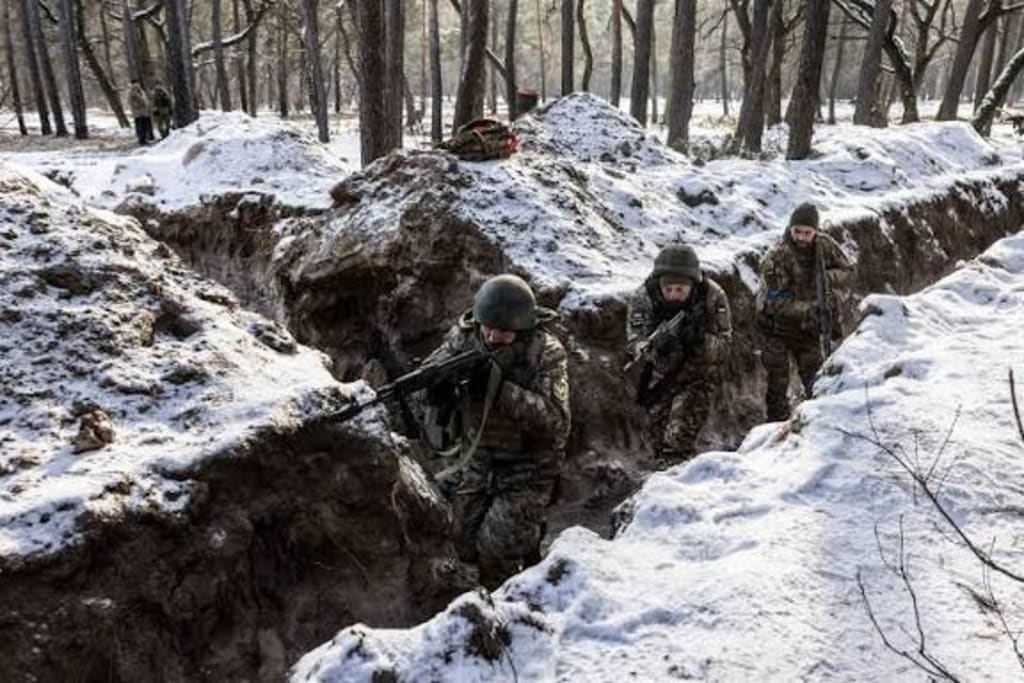
Two major stories have recently dominated global headlines, each revealing disturbing truths about power, corruption, and human suffering. On one hand, reports are emerging of systemic brutality within the Russian military, shedding light on how soldiers are being mistreated in ways that many would consider unthinkable. On the other, a staggering trove of over 5 million pages of previously unreleased documents related to Jeffrey Epstein has surfaced, exposing the global extent of abuse and cover-ups connected to the infamous financier.
Russian Soldiers Facing Brutality at Home
While much of the world’s attention has focused on Russia’s external military campaigns, investigations are increasingly highlighting the harsh reality within Russia’s own ranks. Former soldiers, whistleblowers, and leaked reports reveal patterns of abuse ranging from physical violence to psychological manipulation.
Young conscripts, often undertrained and ill-prepared, are reportedly forced into dangerous situations with little regard for their safety. Some accounts detail extreme hazing practices, where officers and senior soldiers impose violent punishments on their juniors. These acts of cruelty are not merely sporadic but appear to be part of a broader, systemic problem that aims to maintain strict discipline through fear rather than effective training.
Experts suggest that this internal brutality not only jeopardizes the lives of individual soldiers but undermines the overall efficiency and morale of the Russian military. Soldiers, demoralized and traumatized, may struggle to execute orders or maintain cohesion during operations, potentially creating vulnerabilities on the battlefield. The international community has called for greater transparency and accountability, but accessing reliable information from within Russia remains a significant challenge.
The Epstein Files: Over 5 Million Pages of Revelations
In a separate but equally shocking revelation, more than 5 million pages of documents tied to Jeffrey Epstein have come to light. These files contain detailed information about the crimes of Epstein and his associates, uncovering a network that spans continents and implicates powerful figures in exploitation and trafficking.
The sheer volume of material is staggering, revealing both the scale of Epstein’s operations and the extensive efforts to conceal his actions. Investigators and journalists are now meticulously examining the trove to identify victims, uncover patterns of abuse, and hold those complicit accountable. The files serve as a chilling reminder of how systemic exploitation can persist when protected by wealth, influence, and secrecy.
For the public, these documents highlight the urgency of legal and societal reforms to prevent similar abuses in the future. They also underscore the critical role of investigative journalism and independent oversight in exposing hidden networks of power and corruption.
Connecting the Dots: Power, Secrecy, and Accountability
While Russia’s military abuses and the Epstein files are distinct issues, they share underlying themes: the misuse of authority, the protection of perpetrators through secrecy, and the suffering of vulnerable individuals. Both cases illustrate the need for vigilance, accountability, and transparency, whether in government institutions, military structures, or private networks of influence.
For Russia, international pressure and internal advocacy may help highlight the plight of its conscripts, offering pathways for reform and support. Meanwhile, the Epstein documents may empower victims, aid ongoing legal investigations, and foster societal awareness about the dangers of unchecked power.
The Role of Media and Public Awareness
Both stories emphasize the importance of a free and vigilant media. Without investigative reporting and whistleblowers, these abuses might have remained hidden. Public awareness, fueled by credible news outlets and citizen advocacy, creates momentum for change. The role of social media and digital platforms has also been critical in disseminating information rapidly, enabling a global audience to engage with these revelations and demand justice.
Conclusion: Confronting Hard Truths
The brutality faced by Russian soldiers and the explosive revelations in the Epstein files serve as stark reminders of the challenges humanity faces when power goes unchecked. Both underscore the need for systemic oversight, accountability, and empathy for victims. While the situations are distinct, they converge on a central truth: silence and secrecy perpetuate abuse, whereas transparency and action can pave the way for justice and reform.
As investigations continue and more details emerge, the global community must remain attentive and proactive. Holding perpetrators accountable, supporting victims, and advocating for structural change are essential steps to prevent the repetition of such crises. In an interconnected world, awareness is the first step toward meaningful action, ensuring that human dignity and rights are protected everywhere — from military barracks in Russia to the hidden corridors of international finance.
About the Creator
Fiaz Ahmed Brohi
I am a passionate writer with a love for exploring and creating content on trending topics. Always curious, always sharing stories that engage and inspire.
Keep reading
More stories from Fiaz Ahmed Brohi and writers in The Swamp and other communities.
Iran Warns of ‘Severe’ Response in Wake of Trump’s New Strikes Threat
Iran has issued a stark warning of a “severe” response following renewed threats from former U.S. President Donald Trump to launch military strikes. The latest exchange underscores the fragile security environment in the Middle East and raises concerns about a potential escalation between Tehran and Washington, even as diplomatic efforts continue to face hurdles. The warning from Iran came after Trump publicly hinted at the possibility of retaliatory strikes, citing concerns over Iran’s regional influence and alleged support for proxy groups in Iraq, Syria, and Yemen. While Trump is no longer in office, his influence on U.S. politics and policy debates continues to shape discussions regarding Iran, particularly within conservative and hawkish circles. Escalating Tensions Iranian officials, speaking through state media, framed Trump’s threats as provocative and warned that any U.S. military action would trigger a strong and “severe” response. The rhetoric reflects Tehran’s long-standing stance that foreign military aggression will be met with decisive retaliation. Analysts note that Iran’s messaging is likely aimed both at deterring potential strikes and reassuring domestic audiences that national sovereignty will be defended at all costs. “The Iranian leadership wants to project strength, especially amid ongoing economic pressures and internal dissent,” said Dr. Laleh Khalili, a Middle East policy expert. “By framing any potential attack as a trigger for severe consequences, they are sending a clear signal to Washington and its allies.” Regional Dynamics and Proxy Conflicts The warning comes against the backdrop of ongoing tensions in the region, where Iran is involved in a complex web of proxy conflicts. In Iraq, the presence of Iranian-backed militias remains a source of friction with U.S. forces, while in Yemen, Tehran’s support for the Houthi movement continues to exacerbate the Saudi-led coalition’s military campaign. Iran’s influence extends to Syria and Lebanon, further complicating the security landscape. Trump’s new threats, though largely rhetorical given his current political status, have already prompted regional actors to recalibrate their security postures. Allies such as Israel and Saudi Arabia closely monitor these developments, weighing the risks of escalating conflict. Conversely, U.S. policymakers have stressed the importance of maintaining a careful balance between deterrence and diplomacy to prevent unintended confrontations. Domestic Implications in Iran Iran’s warning also has significant domestic implications. The country faces economic challenges due to long-standing sanctions, inflation, and political unrest. By emphasizing a strong military stance, Tehran’s leadership aims to rally nationalist sentiment and consolidate support among its population. Analysts suggest that such rhetoric serves as a tool to reinforce internal cohesion, particularly as Iran grapples with social and political pressures. International Reactions Global reactions to the escalation have been measured. The United Nations and European Union have called for restraint, urging both sides to pursue dialogue rather than confrontation. Meanwhile, neighboring countries in the Gulf remain on high alert, anticipating potential repercussions from any military exchange. Security experts warn that even limited actions could have cascading effects, impacting shipping lanes, energy markets, and regional stability. Diplomacy, however, remains a distant prospect. Talks over Iran’s nuclear program have stalled, and mutual distrust continues to hinder progress. Analysts emphasize that without a clear communication channel and confidence-building measures, the risk of miscalculation remains high. Looking Ahead The standoff highlights the enduring volatility in U.S.-Iran relations. While Trump’s threat is primarily political and symbolic, Iran’s stern response underscores the high stakes involved. Any misstep could trigger a chain reaction across the Middle East, potentially drawing in multiple state and non-state actors. For now, both sides are engaged in a careful dance of deterrence. Washington’s public warnings aim to signal resolve and maintain pressure on Tehran, while Iran’s counter-threats seek to project strength and discourage aggression. The coming weeks will likely determine whether the rhetoric remains symbolic or escalates into tangible confrontations. Conclusion As tensions continue to simmer, the international community watches closely. Iran’s warning of a “severe” response signals not only its readiness to defend national interests but also the precarious balance that governs Middle East geopolitics. With historical mistrust and complex regional dynamics in play, any escalation could have far-reaching consequences. While diplomatic channels remain constrained, analysts argue that sustained dialogue and cautious engagement are essential to prevent a new cycle of conflict. For now, the world must grapple with the reality that rhetoric and threats are once again shaping the contours of one of the globe’s most volatile regions.
By Fiaz Ahmed Brohi21 days ago in The Swamp
U.S. Thinks Hamas Is Ready to Demilitarize as Gaza Deal Moves to “Phase Two”
The Gaza conflict may be entering one of its most critical chapters yet. According to U.S. officials, Hamas has signaled a willingness to discuss demilitarization as the ceasefire agreement transitions into what negotiators are calling Phase Two. While skepticism remains high, the move represents a rare moment of cautious optimism in a region long defined by cycles of violence and broken agreements.
By Aqib Hussain6 days ago in The Swamp
US Warns Airlines About Military Activity in Parts of Latin America
The United States has issued a fresh aviation safety warning that has caught the attention of airlines and travelers alike. The Federal Aviation Administration (FAA) has advised U.S. airlines to exercise heightened caution when flying over parts of Latin America, citing concerns related to military activity and potential risks to civilian aircraft.
By Aqib Hussain4 days ago in The Swamp




Comments
There are no comments for this story
Be the first to respond and start the conversation.