
US Warns Airlines About Military Activity in Parts of Latin America
What the FAA Advisory Means for Airlines, Travelers, and Regional Aviation Safety
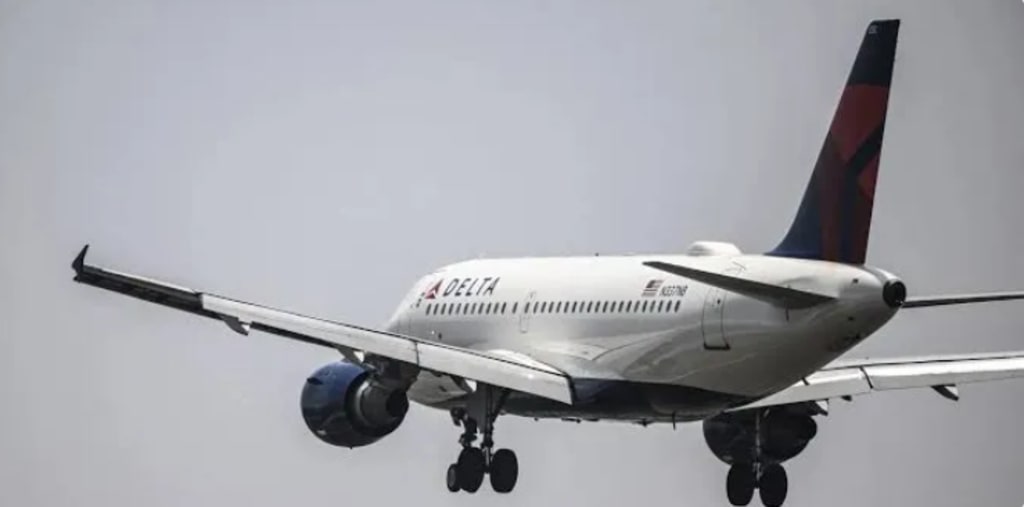
The United States has issued a fresh aviation safety warning that has caught the attention of airlines and travelers alike. The Federal Aviation Administration (FAA) has advised U.S. airlines to exercise heightened caution when flying over parts of Latin America, citing concerns related to military activity and potential risks to civilian aircraft.
While the warning does not ground flights or impose official bans, it reflects growing unease about the evolving security environment in the region. In this blog, we break down what the advisory means, why it matters, and how it could affect air travel in the coming weeks.
What Is the FAA Warning About?
The FAA released the advisory through official aviation notices, urging airlines to remain alert when operating flights over Mexico, Central America, Colombia, Ecuador, Venezuela, and parts of the eastern Pacific Ocean. The notice is valid for 60 days, indicating that the situation is being actively monitored.
According to the FAA, the concern stems from ongoing or potential military operations that could affect civilian aircraft. These risks may exist at all altitudes, including during takeoff, cruising, and landing phases. While no specific incidents prompted the warning, the FAA emphasized the need for proactive safety measures rather than reactive ones.
This type of alert is uncommon outside active conflict zones, making it notable for the aviation industry.
Why Military Activity Matters to Civil Aviation
Modern commercial aviation relies heavily on precise coordination, predictable airspace management, and satellite-based navigation systems. When military activity increases in or near civilian flight corridors, the risk profile changes.
Some of the main concerns include:
Unexpected military aircraft movements
Live-fire exercises or surveillance missions
Temporary airspace restrictions
Interference with GPS and satellite navigation systems
Even brief disruptions to navigation signals can complicate flight operations, especially in congested airspace. For pilots, this means relying more heavily on backup systems and enhanced communication with air traffic control.
Geopolitical Context Behind the Advisory
Although the FAA avoids political statements, the timing of the warning aligns with rising geopolitical tensions in parts of Latin America. Recent months have seen increased U.S. military presence in the region tied to counter-narcotics operations, maritime security missions, and broader strategic objectives.
There has also been renewed international focus on Venezuela, where political instability and strained U.S. relations have raised concerns about regional security. Combined with ongoing operations in the Caribbean and eastern Pacific, these developments create a more complex airspace environment.
For aviation authorities, issuing a cautionary notice is a way to acknowledge these realities without escalating restrictions prematurely.
How Airlines Are Responding
So far, major U.S. airlines have not announced widespread flight cancellations or major route suspensions as a direct result of the FAA advisory. Instead, carriers are taking a more measured approach.
Typical airline responses include:
Enhanced flight planning and risk assessments
Closer coordination with air traffic control authorities
Potential minor route adjustments
Increased pilot briefings for affected regions
Airlines are well-versed in operating under such advisories, particularly when flying near areas of military activity. The goal is to maintain normal operations while remaining prepared for sudden changes.
What Regional Governments Are Saying
Some Latin American governments, including Mexico, have publicly stated that there is no impact on their civil aviation operations. Officials emphasized that their airspace remains safe and fully under national control.
This highlights an important distinction:
The FAA advisory applies primarily to U.S.-regulated airlines, not to all international carriers. Each country’s aviation authority ultimately governs its own airspace, and not all have adopted similar warnings.
Should Travelers Be Concerned?
For passengers, the FAA warning is not a cause for panic. Flights are continuing as scheduled, and safety protocols remain firmly in place. Commercial aviation is one of the most regulated and risk-averse industries in the world.
That said, travelers flying to or through affected regions may notice:
Slightly longer flight times due to route adjustments
Occasional delays related to airspace management
Increased emphasis on safety announcements and procedures
These changes, if they occur, are precautionary and designed to keep passengers safe.
Why This Advisory Is Significant
This warning underscores how global politics and aviation safety are deeply interconnected. In an era of advanced technology and dense air traffic, even indirect military activity can have ripple effects across civilian air travel.
The FAA’s decision reflects a broader trend of early risk mitigation, where authorities act before incidents occur rather than after. It also signals that Latin America, often viewed as a relatively stable aviation region, is now facing new strategic challenges that warrant attention.
Final Thoughts
The FAA’s advisory about military activity over parts of Latin America serves as a reminder that aviation safety goes beyond weather and mechanical reliability. It is also shaped by geopolitics, security dynamics, and international coordination.
While flights continue normally and no immediate disruptions are expected, airlines and regulators are staying vigilant. Over the next two months, developments in the region will determine whether the warning is lifted, extended, or expanded.
For now, travelers can feel confident that airlines are taking all necessary steps to ensure safe journeys — even as the skies grow more complex beneath them.
About the Creator
Keep reading
More stories from Aqib Hussain and writers in The Swamp and other communities.
Australian Arts Festival Apologizes for Disinviting Palestinian Writer Who Lauded Oct. 7
Hey readers, buckle up — Australia’s arts scene has just been through one of its most dramatic shake-ups in years. If you’ve been following the news, you might have heard about the Adelaide Festival and its controversial decision to disinvite Palestinian Australian writer Randa Abdel‑Fattah. Let’s unpack what happened, why it mattered, and what it tells us about art, politics, and free speech today.
By Aqib Hussain3 days ago in The Swamp
Five Graphics That Show Greenland’s Importance to Trump
Greenland, a vast Arctic island with a tiny population, rarely dominates global headlines. Yet during Donald Trump’s presidency and continuing influence on U.S. politics, Greenland emerged as a symbol of American strategic ambition. Trump’s interest was not about tourism or novelty. It reflected deeper calculations tied to security, resources, and global power competition. Through five conceptual “graphics,” we can clearly see why Greenland matters so much to Trump and to U.S. policymakers more broadly.
By Salaar Jamalia day ago in The Swamp
Wild Card Weekend Recap: What Happens Now?
I think I figured out why I love Wild Card Weekend so much. It's because it's the first playoff anything of the calendar year. The NFL season starts in the fall, and once upon a time, the champion was crowned either on or slightly before New Year's. The evolution of the NFL schedule has resulted in the playoffs starting just into the New Year, and currently, the final week of the season falls on the first weekend of the New Year, with Wild Card Weekend coming a week after that. So yes, chronologically, the NFL's Wild Card Weekend serves as the first playoff anything of the calendar year.
By Clyde E. Dawkins7 days ago in Unbalanced




Comments
There are no comments for this story
Be the first to respond and start the conversation.