
Iran Warns of ‘Severe’ Response in Wake of Trump’s New Strikes Threat
Tensions escalate as Tehran and Washington exchange stark warnings over Middle East confrontations

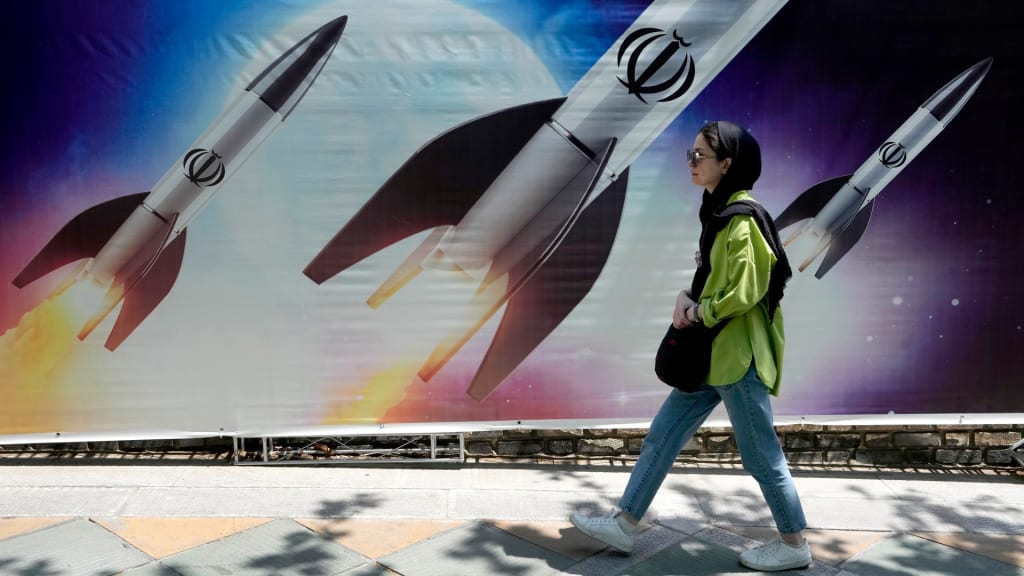
Iran has issued a stark warning of a “severe” response following renewed threats from former U.S. President Donald Trump to launch military strikes. The latest exchange underscores the fragile security environment in the Middle East and raises concerns about a potential escalation between Tehran and Washington, even as diplomatic efforts continue to face hurdles.
The warning from Iran came after Trump publicly hinted at the possibility of retaliatory strikes, citing concerns over Iran’s regional influence and alleged support for proxy groups in Iraq, Syria, and Yemen. While Trump is no longer in office, his influence on U.S. politics and policy debates continues to shape discussions regarding Iran, particularly within conservative and hawkish circles.
Escalating Tensions
Iranian officials, speaking through state media, framed Trump’s threats as provocative and warned that any U.S. military action would trigger a strong and “severe” response. The rhetoric reflects Tehran’s long-standing stance that foreign military aggression will be met with decisive retaliation. Analysts note that Iran’s messaging is likely aimed both at deterring potential strikes and reassuring domestic audiences that national sovereignty will be defended at all costs.
“The Iranian leadership wants to project strength, especially amid ongoing economic pressures and internal dissent,” said Dr. Laleh Khalili, a Middle East policy expert. “By framing any potential attack as a trigger for severe consequences, they are sending a clear signal to Washington and its allies.”
Regional Dynamics and Proxy Conflicts
The warning comes against the backdrop of ongoing tensions in the region, where Iran is involved in a complex web of proxy conflicts. In Iraq, the presence of Iranian-backed militias remains a source of friction with U.S. forces, while in Yemen, Tehran’s support for the Houthi movement continues to exacerbate the Saudi-led coalition’s military campaign. Iran’s influence extends to Syria and Lebanon, further complicating the security landscape.
Trump’s new threats, though largely rhetorical given his current political status, have already prompted regional actors to recalibrate their security postures. Allies such as Israel and Saudi Arabia closely monitor these developments, weighing the risks of escalating conflict. Conversely, U.S. policymakers have stressed the importance of maintaining a careful balance between deterrence and diplomacy to prevent unintended confrontations.
Domestic Implications in Iran
Iran’s warning also has significant domestic implications. The country faces economic challenges due to long-standing sanctions, inflation, and political unrest. By emphasizing a strong military stance, Tehran’s leadership aims to rally nationalist sentiment and consolidate support among its population. Analysts suggest that such rhetoric serves as a tool to reinforce internal cohesion, particularly as Iran grapples with social and political pressures.
International Reactions
Global reactions to the escalation have been measured. The United Nations and European Union have called for restraint, urging both sides to pursue dialogue rather than confrontation. Meanwhile, neighboring countries in the Gulf remain on high alert, anticipating potential repercussions from any military exchange. Security experts warn that even limited actions could have cascading effects, impacting shipping lanes, energy markets, and regional stability.
Diplomacy, however, remains a distant prospect. Talks over Iran’s nuclear program have stalled, and mutual distrust continues to hinder progress. Analysts emphasize that without a clear communication channel and confidence-building measures, the risk of miscalculation remains high.
Looking Ahead
The standoff highlights the enduring volatility in U.S.-Iran relations. While Trump’s threat is primarily political and symbolic, Iran’s stern response underscores the high stakes involved. Any misstep could trigger a chain reaction across the Middle East, potentially drawing in multiple state and non-state actors.
For now, both sides are engaged in a careful dance of deterrence. Washington’s public warnings aim to signal resolve and maintain pressure on Tehran, while Iran’s counter-threats seek to project strength and discourage aggression. The coming weeks will likely determine whether the rhetoric remains symbolic or escalates into tangible confrontations.
Conclusion
As tensions continue to simmer, the international community watches closely. Iran’s warning of a “severe” response signals not only its readiness to defend national interests but also the precarious balance that governs Middle East geopolitics. With historical mistrust and complex regional dynamics in play, any escalation could have far-reaching consequences.
While diplomatic channels remain constrained, analysts argue that sustained dialogue and cautious engagement are essential to prevent a new cycle of conflict. For now, the world must grapple with the reality that rhetoric and threats are once again shaping the contours of one of the globe’s most volatile regions.
About the Creator
Fiaz Ahmed Brohi
I am a passionate writer with a love for exploring and creating content on trending topics. Always curious, always sharing stories that engage and inspire.
Keep reading
More stories from Fiaz Ahmed Brohi and writers in The Swamp and other communities.
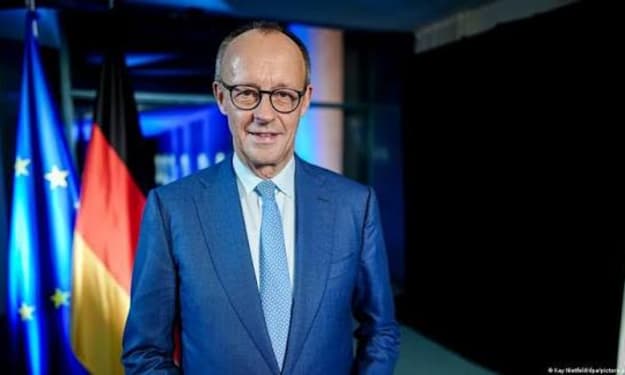
Germany: Merz Says 2026 Can Be a 'Year of New Beginnings'
As Germany steps into 2026, the country finds itself at a crossroads. Christian Democratic Union (CDU) leader Friedrich Merz recently declared that the upcoming year could mark a "year of new beginnings" for the nation, signaling both political ambition and a vision for economic recovery. Merz’s remarks have sparked debate across Germany, highlighting both hopes and challenges that lie ahead for Europe’s largest economy. Merz, known for his pro-business stance and assertive approach to politics, delivered his statement during a policy briefing in Berlin. Speaking to party members and the press, he emphasized the need for Germany to embrace reform, strengthen its economic foundations, and take decisive steps in areas like energy, technology, and international diplomacy. Economic Outlook and Challenges Germany has faced a complex economic landscape in recent years. While it remains Europe’s largest economy, it has struggled with high energy costs, the aftereffects of global supply chain disruptions, and slower-than-expected growth. Merz highlighted these challenges in his speech, suggesting that 2026 offers an opportunity to pivot toward policies that encourage innovation, investment, and job creation. “Germany has the talent, resources, and resilience to reinvent itself,” Merz said. “If we take bold steps today, we can ensure that 2026 is remembered as a year when Germany regained momentum, competitiveness, and optimism.” He specifically called for increased investment in renewable energy, digital infrastructure, and technology-driven industries. Given Germany’s longstanding reliance on traditional manufacturing and automotive sectors, the push toward modernization reflects the urgency to stay competitive on a global scale. Political Implications Merz’s remarks are not just about economics; they carry clear political undertones. As the CDU seeks to regain influence in federal politics, positioning 2026 as a year of opportunity allows Merz to present a hopeful narrative to voters. Political analysts note that Merz’s vision emphasizes stability, growth, and pragmatic leadership—qualities that appeal to centrist voters who may be wary of extremes on either side of the political spectrum. However, critics argue that Merz’s statements risk overpromising in a period of uncertainty. Germany continues to face political fragmentation, with multiple parties vying for influence in both regional and national elections. While Merz frames 2026 as a potential turning point, achieving significant change will require navigating coalition politics, bureaucratic hurdles, and entrenched policy debates. International Perspective Germany’s position in the European Union also factors into Merz’s vision. As global tensions persist, particularly regarding Russia, China, and energy markets, Germany’s leadership role in Europe is under scrutiny. Merz stressed that Germany must not only focus on domestic recovery but also take proactive steps in international diplomacy and trade. “Germany can be a beacon of stability and innovation in Europe,” he said. “By addressing our internal challenges, we strengthen our ability to lead, collaborate, and influence decisions that shape the continent and the world.” Public Reception and Industry Reactions Public reaction to Merz’s announcement has been mixed. Business leaders generally welcomed his emphasis on economic growth and investment, particularly in renewable energy and technology sectors. Several industry groups noted that a focused strategy could help Germany attract foreign investment and create high-value jobs, aligning with the nation’s need to maintain its competitive edge globally. On the other hand, some citizens and political opponents questioned whether Merz’s optimism reflects the lived realities of ordinary Germans. Concerns about inflation, housing costs, and energy affordability remain high, and skeptics argue that rhetoric must be paired with actionable policies to create meaningful change. Looking Ahead As Germany enters 2026, Merz’s call for a “year of new beginnings” encapsulates both aspiration and challenge. The coming months will test the CDU leader’s ability to translate vision into concrete reforms, address economic pressures, and navigate political complexities. For many Germans, Merz’s message offers a sense of hope and direction, while also highlighting the stakes involved in shaping the country’s next chapter. In a rapidly changing world, Germany’s trajectory will depend on leadership, innovation, and the nation’s willingness to adapt. Whether 2026 truly becomes a year of new beginnings remains to be seen, but Merz’s message underscores a desire to seize opportunity and steer Germany toward renewed prosperity and global relevance.
By Fiaz Ahmed Brohi21 days ago in The Swamp
Canada, China Set for ‘Historic’ Gains From New Partnership, Carney Says
Canada and China may be standing at the edge of a major turning point in their diplomatic and economic relationship. According to Canadian Prime Minister Mark Carney, a newly announced partnership between the two nations could unlock “historic gains” and reshape how both countries engage with each other — and the world.
By Aqib Hussain5 days ago in The Swamp
High-Speed Train Crash in Southern Spain Leaves 39 Dead
A Sunday evening in southern Spain turned into a national tragedy. On January 18, 2026, a high-speed train crash near Adamuz, Córdoba, left at least 39 people dead and scores more injured. The accident shocked Spain, challenged emergency responders, and raised urgent questions about safety on the country’s high-speed rail network.
By Aarif Lashari2 days ago in The Swamp



Comments
There are no comments for this story
Be the first to respond and start the conversation.