
First New CalMac Ferry Handed Over by Turkish Shipyard: A Long-Awaited Milestone for Scotland’s Lifeline Fleet
A long-delayed vessel finally reaches completion, offering hope to island communities while reopening debate over ferry procurement

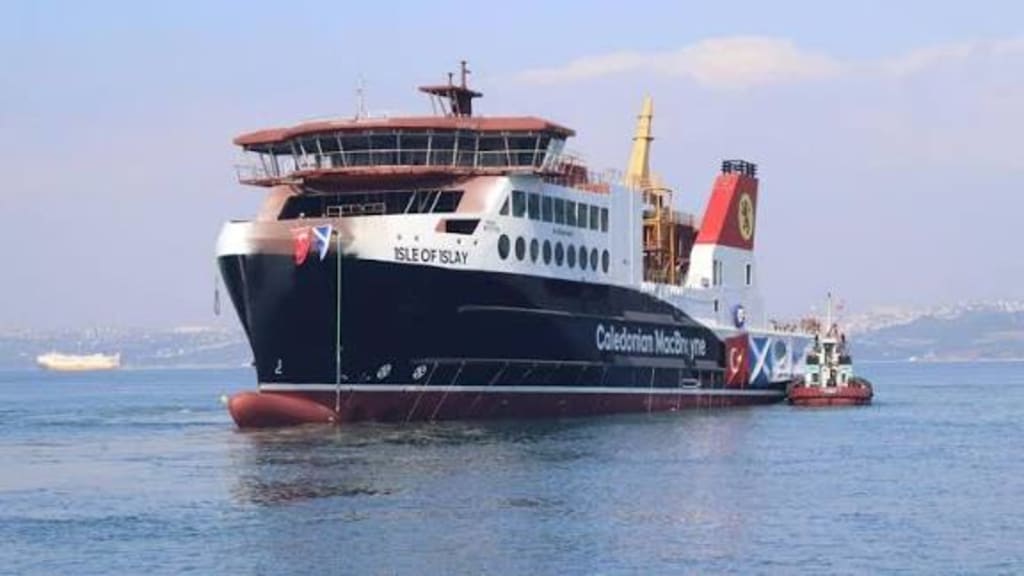
After years of delays, cost overruns, and mounting public frustration, a significant milestone has finally been reached for Scotland’s ferry network. The first new Caledonian Maritime Assets Limited (CalMac) ferry to be built in Turkey has officially been handed over by the shipyard, marking a crucial step toward strengthening transport links for Scotland’s island communities. While the handover is being welcomed as a positive breakthrough, it also reopens debate about ferry procurement, resilience of public infrastructure, and lessons learned from past missteps.
A Ferry Network Under Pressure
CalMac ferries are far more than passenger vessels; they are economic lifelines for dozens of islands across Scotland’s west coast and Hebrides. Islanders rely on them for access to healthcare, education, goods, tourism, and family connections. However, an aging fleet and repeated technical failures have plagued the network in recent years, causing widespread disruption and political controversy.
The decision to build new ferries overseas, particularly in Turkey, came after high-profile delays involving vessels commissioned from Scottish shipyards. Those projects ran years behind schedule and vastly over budget, becoming symbols of mismanagement and sparking parliamentary inquiries. Against this backdrop, the Turkish-built ferries were positioned as a faster, more reliable solution to stabilize the fleet.
The Turkish Shipyard Project
The newly handed-over vessel is the first of several large ferries ordered from a Turkish shipyard as part of a broader modernization program. Designed to serve busy routes, the ship boasts improved passenger capacity, modern safety systems, and greater fuel efficiency compared to many older vessels currently in operation.
Construction in Turkey progressed at a notably quicker pace than previous domestic builds, which supporters argue demonstrates the benefits of competitive international procurement. The ferry underwent extensive sea trials and inspections before being formally accepted, ensuring it meets UK maritime safety and operational standards.
Although the ship is now officially handed over, it will still require final preparations, crew training, and familiarization voyages before entering full service on Scottish routes.
What the New Ferry Brings
The new ferry represents more than just an addition to the fleet; it symbolizes modernization. Features include enhanced accessibility for passengers with reduced mobility, improved onboard amenities, and systems designed to reduce emissions. These upgrades align with Scotland’s broader climate commitments and aim to make ferry travel more comfortable and environmentally responsible.
For island communities that have endured years of cancellations and uncertainty, the arrival of a new vessel offers renewed hope. Reliable ferry services are essential not only for daily life but also for sustaining tourism, a major economic driver for many islands.
Political and Public Reaction
Reaction to the handover has been mixed. Government officials have described it as a “significant step forward” and evidence that efforts to repair the ferry network are beginning to pay off. They argue that focusing on timely delivery and reliability must take precedence after years of disruption.
Critics, however, note that the celebration is tempered by the reality that the ferry is arriving years later than islanders were first promised improved services. Others raise concerns about the long-term implications for Scotland’s shipbuilding industry, questioning whether overseas contracts undermine domestic capability and jobs.
Unions and industry representatives continue to call for a balanced approach—one that supports local shipyards while ensuring value for money and reliable delivery.
Lessons From a Difficult Chapter
The story of CalMac’s new ferries has become a case study in public infrastructure challenges. It highlights the risks of poor project management, the consequences of political interference, and the importance of realistic timelines in complex engineering projects.
The Turkish-built ferry demonstrates that international collaboration can deliver results, but it also raises important questions about strategic planning and national industrial policy. Going forward, transparency, accountability, and technical expertise will be essential to prevent a repeat of past failures.
Looking Ahead
With the first ferry now handed over, attention turns to the remaining vessels in the Turkish order and how quickly they can be deployed. Island communities will be watching closely, not for announcements, but for tangible improvements in service reliability.
If successfully integrated into the fleet, the new ferry could mark the beginning of a more stable era for CalMac. While it does not erase years of disruption, it offers a chance to rebuild trust and restore confidence in a transport system that millions of people depend on.
In the end, this handover is not just about a ship—it is about reconnecting communities, supporting regional economies, and learning hard lessons about how public infrastructure should be delivered in the future.
About the Creator
Fiaz Ahmed Brohi
I am a passionate writer with a love for exploring and creating content on trending topics. Always curious, always sharing stories that engage and inspire.
Keep reading
More stories from Fiaz Ahmed Brohi and writers in The Swamp and other communities.
Airspace Closure in Iran Disrupts International Flights From India — What Travelers Should Know
In mid-January 2026, travelers and airlines alike faced significant disruption after Iran temporarily closed its airspace, affecting several international flights originating from India and bound for Europe and the United States. The sudden move, linked to rising geopolitical tensions and internal unrest in Iran, forced reroutes, cancellations, delays, and a wave of uncertainty among passengers and carriers. �
By Fiaz Ahmed Brohi5 days ago in The Swamp
Five Graphics That Show Greenland’s Importance to Trump
Greenland, a vast Arctic island with a tiny population, rarely dominates global headlines. Yet during Donald Trump’s presidency and continuing influence on U.S. politics, Greenland emerged as a symbol of American strategic ambition. Trump’s interest was not about tourism or novelty. It reflected deeper calculations tied to security, resources, and global power competition. Through five conceptual “graphics,” we can clearly see why Greenland matters so much to Trump and to U.S. policymakers more broadly.
By Salaar Jamali2 days ago in The Swamp



Comments
There are no comments for this story
Be the first to respond and start the conversation.