
EU Council President Arrives in India to Seal Historic Trade Pact
EU Council President António Costa visits India to finalize a landmark trade agreement aimed at boosting bilateral commerce, strengthening strategic ties, and reshaping global economic partnerships.

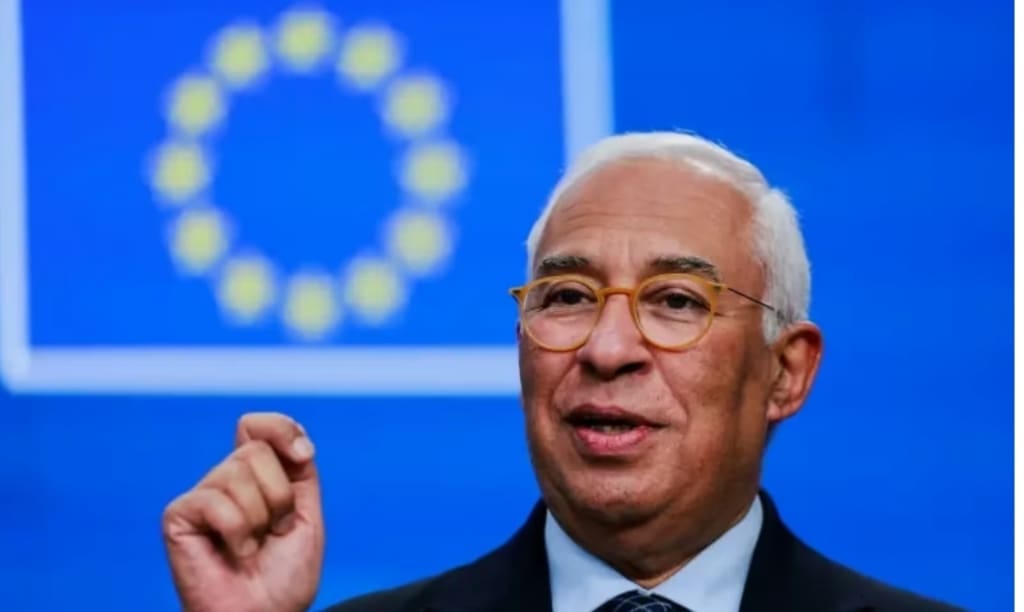
New Delhi, India — The European Union’s top political representative, European Council President António Costa, has touched down in New Delhi, signalling a critical moment in long‑running negotiations with India over a free trade agreement (FTA) that both sides hope will reshape global economic ties. Costa’s arrival comes amid celebrations of India’s Republic Day and on the eve of a high‑stakes EU‑India summit, where leaders aim to finalize the deal after nearly two decades of diplomacy and talks.
The proposed agreement — described by officials as the “mother of all deals” — would mark one of the most ambitious trade pacts negotiated by either party and could unlock major economic and strategic benefits for both the EU and India.
---
Diplomacy at the Heart of Economic Expansion
President Costa’s visit, which began on Sunday, is part of a broader EU delegation that includes European Commission President Ursula von der Leyen. Both leaders will serve as chief guests at India’s 77th Republic Day celebrations in New Delhi on Monday before attending the 16th EU‑India Summit scheduled for Tuesday, where the trade accord is expected to be sealed.
In remarks ahead of the summit, Ms. von der Leyen praised India’s emerging global role, stating that “a successful India makes the world more stable, prosperous and secure.” Her comments reflect a deepening EU interest in India not only as a trade partner but as a strategic global ally amidst shifting geopolitical landscapes.
---
“Mother of All Deals”: What the Pact Entails
After around 20 years of discussions, the EU‑India FTA seeks to dramatically expand bilateral trade by reducing tariffs and opening markets previously constrained by regulatory and political barriers. The agreement would cover goods and services, with negotiators indicating that new tariff reductions on items such as automobiles, wine, textiles, and jewellery could be central components.
The pact is expected to give European exporters unprecedented access to one of the world’s most protected markets, particularly in industrial and agricultural sectors. EU officials have suggested that exports to India could double if the deal is concluded as envisioned.
For India, the deal offers improved access to the EU’s vast consumer market and opportunities to scale up exports of its manufactured and service goods. This could play a significant role in job creation and technology transfers — priorities for New Delhi as it eyes accelerated economic growth.
---
Economic Stakes and Strategic Dimensions
Bilateral trade between the EU and India has already grown sharply. In 2024, goods trade between the two parties reached roughly €120 billion — almost double the volume seen a decade ago — with services trading around €60 billion.
Yet the deal’s ultimate impact will go beyond simple trade figures. For the EU, concluding this agreement is part of a broader strategy to diversify economic partnerships and reduce dependence on single markets such as China or the United States. The pact is seen as a tool to strengthen supply chains, foster innovation linkages, and enhance geopolitical resilience.
For India, which is poised to become the world’s fourth‑largest economy this year according to IMF projections, the treaty would cement its role as a major player in global trade and potentially spur increased foreign direct investment. It also aligns with New Delhi’s goal of expanding its export base while attracting technology and capital inflows for infrastructure development.
---
Negotiation Hurdles and Sensitive Issues
Despite the optimism surrounding the deal, sensitive areas remain under negotiation. India has traditionally maintained high tariff walls around certain sectors to protect domestic producers, particularly in agriculture, automobiles, and dairy. Meanwhile, the EU has sought stronger commitments on regulatory standards, intellectual property, and environmental compliance.
Some sectors such as agriculture may be excluded from the final agreement due to domestic sensitivities in India, where farming employs nearly half the workforce. EU negotiators have indicated that while agricultural products remain a politically charged area, other goods and services can provide sufficient economic gains to justify concluding the pact.
Even so, both sides acknowledge that reaching consensus on non‑tariff barriers — including safety standards and carbon regulation policies — will be essential to realizing the full benefits of the deal.
---
Geopolitical Implications
The EU‑India trade agreement also carries important geopolitical weight. With global economic tensions rising — including ongoing tariff pressures from the United States and strategic competition with China — Brussels and New Delhi view deeper economic integration as a hedge against protectionism and fragmentation.
Analysts suggest that the timing of the summit and potential pact is significant: it underscores a shared interest among like‑minded powers to reinforce multilateral trade norms and buttress economic stability amid a fracturing global order.
---
Looking Ahead: What Comes Next
If the EU‑India FTA is formally agreed upon at the upcoming summit, both parties will embark on a ratification process that could take up to a year in respective parliaments. Yet the momentum behind the negotiations suggests strong political will on both sides to see the agreement implemented swiftly and effectively.
For European and Indian businesses, the deal could unlock new opportunities, reduce costs, and expand innovation linkages. For policymakers, it signals a strategic alignment at a time when global economic dynamics are rapidly evolving. Whether the pact lives up to its lofty description as the “mother of all deals” will ultimately depend on its implementation and the sustained cooperation of both partners on shared economic and geopolitical goals.
About the Creator
Keep reading
More stories from Salaar Jamali and writers in The Swamp and other communities.
Gold Price Forecast: XAU/USD Soars to Record High Near $5,050 Amid Geopolitical Tensions
In a stunning development for global markets, gold prices (XAU/USD) have surged to all‑time highs near $5,050 per ounce, driven by intensifying geopolitical tensions, a weakening U.S. dollar, and renewed expectations of looser monetary policy. This rally marks one of the most explosive moves in gold’s history and has reignited investor interest in bullion as the ultimate safe‑haven asset.
By Salaar Jamaliabout 19 hours ago in The Swamp
Red Cross Announces Severe Emergency Blood Shortage, Calls on Americans to Donate
The American Red Cross has issued an urgent warning after announcing a severe nationwide blood shortage, calling on eligible Americans to donate as hospitals across the country face critically low supplies. Officials say the situation has reached emergency levels, putting patients at risk and straining the healthcare system at a time when demand for blood remains high.
By Aarif Lashari5 days ago in The Swamp
Dozens of Sanctioned Russian Tankers Navigate Channel Despite UK Vow of 'Assertive' Action
The United Kingdom, along with its allies, has imposed strict sanctions on Russian oil and gas exports following Russia’s invasion of Ukraine. These measures aim to limit revenue flowing to Moscow and pressure Russia to reconsider its military actions. Sanctions include: Freezing assets of Russian companies Restricting shipping and insurance for Russian vessels Prohibiting UK ports from serving sanctioned ships Despite these efforts, reports indicate that dozens of Russian tankers continue to move through the Channel, carrying oil and other resources, sometimes under complex ownership structures or with third-party intermediaries. UK Response and 'Assertive Action' UK officials have pledged “assertive action” against sanctioned vessels, signaling that ships violating regulations could face: Fines or detention Blocking access to UK ports Legal action against owners or operators However, enforcing these measures in international waters like the Channel is challenging. Ships can exploit loopholes, including flagging under different nations or using proxy companies, to bypass restrictions. A spokesperson from the UK government stated that authorities are closely monitoring all traffic and coordinating with maritime agencies to ensure compliance, but admitted the process is “logistically complex.” Maritime Monitoring and Enforcement The English Channel is one of the busiest shipping lanes in the world, with hundreds of vessels passing through daily. Monitoring sanctioned ships requires advanced tracking systems, patrols, and legal coordination with other countries. Experts note that some tankers appear to obscure their ownership or destination to avoid detection, a tactic often referred to as “sanctions evasion.” This makes enforcement difficult and raises concerns about whether sanctions are achieving their intended effect. Economic and Geopolitical Implications The continued movement of sanctioned Russian tankers has multiple consequences: Economic: Oil shipments to global markets may continue to fund Russian industries despite sanctions, weakening the intended economic pressure. Geopolitical: The UK risks appearing ineffective in enforcing its sanctions, potentially undermining its credibility among allies. Security: The presence of sanctioned tankers in busy international waters raises questions about maritime safety, insurance liabilities, and potential conflict escalation. Some analysts argue that coordinated international enforcement is crucial to make sanctions meaningful. Shipping Companies and Loopholes Shipping companies often exploit legal and logistical loopholes to continue operations. This includes: Changing ship names or flags Using intermediaries to register ownership Delaying reporting or falsifying documentation Authorities are exploring ways to tighten regulations, but experts say the current system is highly fragmented and difficult to monitor. Public and Political Reaction The issue has sparked debate in the UK Parliament and among the public. Critics question why sanctioned vessels can still operate despite government promises, while others emphasize the complexity of maritime law and international shipping. Protest groups and campaigners have called for stronger enforcement, better coordination with EU partners, and real-time tracking of sanctioned vessels. Meanwhile, shipping industry representatives warn that overly aggressive enforcement could disrupt global trade, illustrating the delicate balance policymakers must strike. International Cooperation Experts agree that unilateral measures are often insufficient to enforce sanctions effectively. Cooperation with: The European Union NATO allies International maritime organizations is essential to monitor, intercept, and sanction non-compliant vessels. Analysts also highlight the importance of intelligence sharing and joint patrols, especially in high-traffic areas like the English Channel. Looking Ahead UK authorities have pledged to strengthen their monitoring and enforcement mechanisms. Proposed measures include: Enhanced satellite and AIS tracking of vessels Tighter port access regulations Increased fines and prosecution of companies aiding sanctions evasion Cooperation with EU neighbors to close loopholes While these steps may improve enforcement, experts warn that some level of evasion may always exist due to the complexity of international shipping networks. Conclusion The continued passage of sanctioned Russian tankers through the English Channel highlights the challenges of enforcing international sanctions in busy maritime regions. Despite the UK’s vow of “assertive action,” legal, logistical, and geopolitical complexities allow many ships to operate with limited disruption. The situation underscores the need for international coordination, technological monitoring, and strong legal frameworks to make sanctions effective. As the UK and its allies navigate these challenges, the world is watching to see whether sanctions will truly limit Russia’s ability to benefit from its energy exports or remain largely symbolic.
By Fiaz Ahmed 4 days ago in The Swamp
Affection and Healing for Yourself
During the night of the last quarter moon, I gathered my ritual supplies. I carefully handled the chunk of black tourmaline that would protect me from your overall negative and narcissistic energy. I carefully walked the house with my stick of selenite in hand, asking the universe to cleanse our working space.
By Alisha Wilkins ✒️🦋🖋️7 days ago in Fiction

Comments
There are no comments for this story
Be the first to respond and start the conversation.