
Red Cross Announces Severe Emergency Blood Shortage, Calls on Americans to Donate
“Hospitals face critically low supplies as the Red Cross urges immediate nationwide donations”
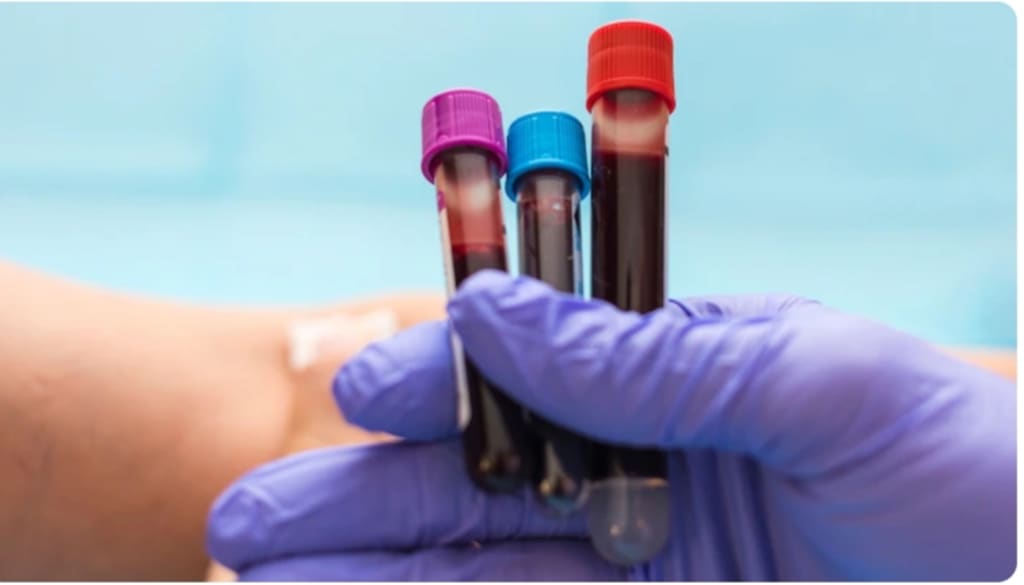
The American Red Cross has issued an urgent warning after announcing a severe nationwide blood shortage, calling on eligible Americans to donate as hospitals across the country face critically low supplies. Officials say the situation has reached emergency levels, putting patients at risk and straining the healthcare system at a time when demand for blood remains high.
The organization stressed that immediate action is needed to stabilize the blood supply and ensure lifesaving treatments can continue without disruption.
A Critical Situation Nationwide
According to the Red Cross, blood inventories have dropped to dangerously low levels, with some blood types nearly depleted. Hospitals rely on a steady supply of donated blood for surgeries, trauma care, cancer treatments, and chronic illnesses such as sickle cell disease.
Red Cross officials said the shortage is not limited to a single region but affects much of the country. In some areas, blood supplies have fallen to levels that may last only a few days, increasing the risk of postponed procedures or delayed care.
Healthcare providers warn that without immediate donations, patient care could be impacted.
Why the Shortage Is Happening
Several factors have contributed to the current crisis. Seasonal declines in blood donations are common, particularly during winter months when illness, bad weather, and travel disruptions reduce turnout at donation centers.
In addition, the Red Cross cited a sharp drop in mobile blood drives, especially those hosted by schools, colleges, and workplaces. These drives typically account for a large portion of donated blood, and cancellations or low attendance have significantly reduced collections.
Rising medical demand has further strained supplies, as hospitals continue to treat patients recovering from surgeries, accidents, and serious illnesses.
Who Is Most Affected
Patients who require frequent transfusions are among the most vulnerable during blood shortages. This includes individuals undergoing cancer treatment, trauma victims, premature babies, and people with blood disorders.
Type O blood, particularly O-negative—which can be used in emergencies for patients of any blood type—is in especially high demand. The Red Cross emphasized that donors with O blood types can make an immediate and lifesaving impact.
Hospitals depend on consistent availability, and even short-term shortages can have serious consequences.
Red Cross Calls for Immediate Action
In response to the crisis, the Red Cross is urging all eligible donors to schedule a blood or platelet donation as soon as possible. Officials say even one donation can save multiple lives.
The organization has expanded donation hours at many centers and increased outreach efforts to encourage participation. Additional incentives, such as small gifts or recognition programs, are also being offered to motivate donors.
Red Cross representatives emphasized that donating blood is safe, quick, and critical to public health.
Blood Donation Safety and Eligibility
The Red Cross reassured the public that strict safety protocols are in place at all donation sites. Equipment is sterile and used only once, and donation centers follow rigorous hygiene and screening procedures.
Most healthy adults are eligible to donate, although requirements vary based on age, weight, health history, and recent travel. Donors are encouraged to eat well, stay hydrated, and bring identification to their appointment.
For those unable to donate blood, platelet donations are also urgently needed and can be lifesaving for patients undergoing chemotherapy or organ transplants.
The Role of Community Support
Community involvement plays a crucial role in addressing blood shortages. Faith groups, civic organizations, universities, and employers are being encouraged to host blood drives or promote donation awareness.
Public health officials say collective action can quickly stabilize supplies if enough people step forward. Even first-time donors can make a meaningful difference during emergencies like this one.
Stories of donors helping strangers in critical moments highlight the powerful impact of community-driven healthcare support.
Economic and Healthcare Implications
Beyond the immediate health risks, blood shortages place additional strain on healthcare systems already facing staffing challenges and rising costs. Delayed surgeries and extended hospital stays can increase financial pressure on hospitals and patients alike.
Experts note that maintaining a stable blood supply is essential not only for emergencies but also for routine medical care. A resilient donation system ensures hospitals can function efficiently and respond quickly to crises.
A Broader Public Health Challenge
The Red Cross warns that blood shortages are becoming more frequent due to changing demographics, reduced donor participation, and increased healthcare demand. Younger generations donate blood at lower rates than previous generations, raising concerns about long-term sustainability.
Public health advocates argue that stronger education, outreach, and community engagement are needed to rebuild a reliable donor base. Encouraging regular donations rather than emergency-only responses is seen as key to preventing future shortages.
How Individuals Can Help Today
The Red Cross encourages people to take simple steps to help address the shortage:
Schedule a blood or platelet donation
Encourage friends and family to donate
Share awareness messages on social media
Host or support local blood drives
Officials stress that immediate action can save lives and prevent further strain on hospitals.
Conclusion
The Red Cross’s announcement of a severe emergency blood shortage highlights a pressing public health challenge facing the United States. With hospitals relying on donated blood to save lives every day, the need for donors has never been more urgent.
By stepping forward to donate, Americans have the opportunity to make a direct and tangible difference in their communities. As the Red Cross continues its call for action, officials hope a renewed wave of donations will help stabilize supplies and ensure patients receive the care they need.
About the Creator
Keep reading
More stories from Aarif Lashari and writers in The Swamp and other communities.
How Slovakia Became the World’s Number One Carmaker
Slovakia may be a small Central European nation, but it holds a remarkable global title: the world’s number one car producer per capita. Despite having a population of just over five million, the country manufactures more cars per person than any other nation. This achievement did not happen by accident. It is the result of strategic policy decisions, geographic advantages, skilled labor, and long-term investment by global automotive giants.
By Aarif Lashari2 months ago in The Swamp
The Forsyth House Fire
Since 1851, Forsyth House has stood on the corner of Union Street and Gordon Street in the heart of Glasgow. Its iconic, or was... because on Sunday 8th of March, 2026, a fire broke out in a small, seemingly un-named shop in the building and tore all that history down. As I write, the rubble is still unsettled and the street is still blocked off. Central Station is quiet on the upper level, and around 30 small businesses have quite literally gone up in smoke.
By S. A. Crawford3 days ago in The Swamp
600 Israelis arrive home on two flydubai flights that land in Tel Aviv
Around 600 Israeli citizens returned home on Sunday after two special flights operated by the airline Flydubai landed at Ben Gurion Airport near Tel Aviv. The flights marked one of the first organized efforts to repatriate Israelis who had been stranded abroad following disruptions caused by the escalating conflict in the Middle East.
By Fiaz Ahmed 7 days ago in The Swamp


Comments
There are no comments for this story
Be the first to respond and start the conversation.