
Dozens of Sanctioned Russian Tankers Navigate Channel Despite UK Vow of 'Assertive' Action
Ships Continue Passing Through Busy Waters as Enforcement Challenges Persist

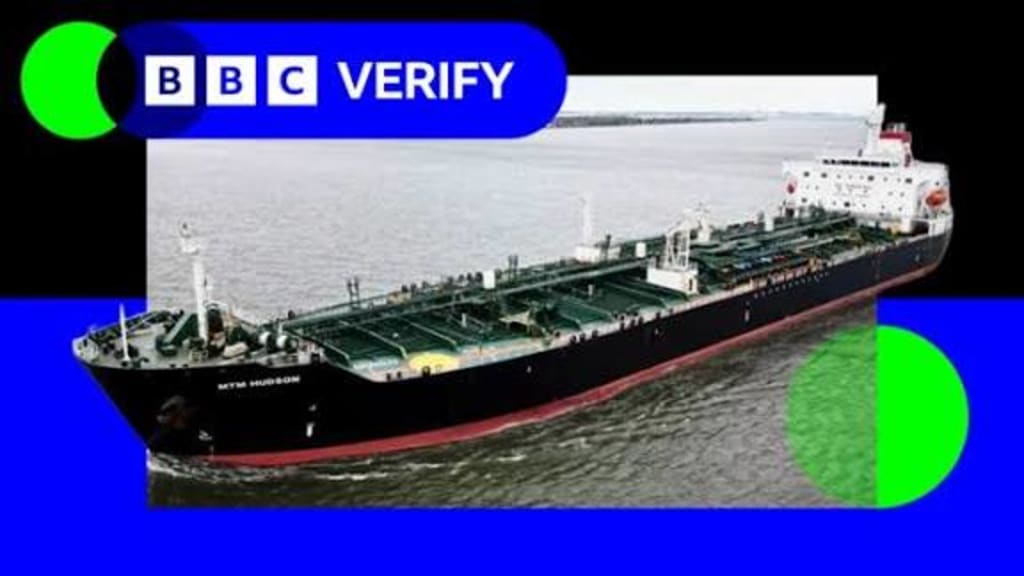
The United Kingdom, along with its allies, has imposed strict sanctions on Russian oil and gas exports following Russia’s invasion of Ukraine. These measures aim to limit revenue flowing to Moscow and pressure Russia to reconsider its military actions.
Sanctions include:
Freezing assets of Russian companies
Restricting shipping and insurance for Russian vessels
Prohibiting UK ports from serving sanctioned ships
Despite these efforts, reports indicate that dozens of Russian tankers continue to move through the Channel, carrying oil and other resources, sometimes under complex ownership structures or with third-party intermediaries.
UK Response and 'Assertive Action'
UK officials have pledged “assertive action” against sanctioned vessels, signaling that ships violating regulations could face:
Fines or detention
Blocking access to UK ports
Legal action against owners or operators
However, enforcing these measures in international waters like the Channel is challenging. Ships can exploit loopholes, including flagging under different nations or using proxy companies, to bypass restrictions.
A spokesperson from the UK government stated that authorities are closely monitoring all traffic and coordinating with maritime agencies to ensure compliance, but admitted the process is “logistically complex.”
Maritime Monitoring and Enforcement
The English Channel is one of the busiest shipping lanes in the world, with hundreds of vessels passing through daily. Monitoring sanctioned ships requires advanced tracking systems, patrols, and legal coordination with other countries.
Experts note that some tankers appear to obscure their ownership or destination to avoid detection, a tactic often referred to as “sanctions evasion.” This makes enforcement difficult and raises concerns about whether sanctions are achieving their intended effect.
Economic and Geopolitical Implications
The continued movement of sanctioned Russian tankers has multiple consequences:
Economic: Oil shipments to global markets may continue to fund Russian industries despite sanctions, weakening the intended economic pressure.
Geopolitical: The UK risks appearing ineffective in enforcing its sanctions, potentially undermining its credibility among allies.
Security: The presence of sanctioned tankers in busy international waters raises questions about maritime safety, insurance liabilities, and potential conflict escalation.
Some analysts argue that coordinated international enforcement is crucial to make sanctions meaningful.
Shipping Companies and Loopholes
Shipping companies often exploit legal and logistical loopholes to continue operations. This includes:
Changing ship names or flags
Using intermediaries to register ownership
Delaying reporting or falsifying documentation
Authorities are exploring ways to tighten regulations, but experts say the current system is highly fragmented and difficult to monitor.
Public and Political Reaction
The issue has sparked debate in the UK Parliament and among the public. Critics question why sanctioned vessels can still operate despite government promises, while others emphasize the complexity of maritime law and international shipping.
Protest groups and campaigners have called for stronger enforcement, better coordination with EU partners, and real-time tracking of sanctioned vessels.
Meanwhile, shipping industry representatives warn that overly aggressive enforcement could disrupt global trade, illustrating the delicate balance policymakers must strike.
International Cooperation
Experts agree that unilateral measures are often insufficient to enforce sanctions effectively. Cooperation with:
The European Union
NATO allies
International maritime organizations
is essential to monitor, intercept, and sanction non-compliant vessels.
Analysts also highlight the importance of intelligence sharing and joint patrols, especially in high-traffic areas like the English Channel.
Looking Ahead
UK authorities have pledged to strengthen their monitoring and enforcement mechanisms. Proposed measures include:
Enhanced satellite and AIS tracking of vessels
Tighter port access regulations
Increased fines and prosecution of companies aiding sanctions evasion
Cooperation with EU neighbors to close loopholes
While these steps may improve enforcement, experts warn that some level of evasion may always exist due to the complexity of international shipping networks.
Conclusion
The continued passage of sanctioned Russian tankers through the English Channel highlights the challenges of enforcing international sanctions in busy maritime regions. Despite the UK’s vow of “assertive action,” legal, logistical, and geopolitical complexities allow many ships to operate with limited disruption.
The situation underscores the need for international coordination, technological monitoring, and strong legal frameworks to make sanctions effective. As the UK and its allies navigate these challenges, the world is watching to see whether sanctions will truly limit Russia’s ability to benefit from its energy exports or remain largely symbolic.
About the Creator
Fiaz Ahmed
I am Fiaz Ahmed. I am a passionate writer. I love covering trending topics and breaking news. With a sharp eye for what’s happening around the world, and crafts timely and engaging stories that keep readers informed and updated.
Keep reading
More stories from Fiaz Ahmed and writers in The Swamp and other communities.
Another Russian Shadow Fleet Oil Tanker Runs Into Difficulties
Another Russian shadow fleet oil tanker has reportedly run into difficulties, raising concerns about the challenges of operating sanctioned vessels amid growing international scrutiny. The tanker, part of a network designed to circumvent sanctions on Russian oil exports, encountered mechanical issues that temporarily halted its journey, highlighting the logistical risks faced by the so-called “shadow fleet.” This incident comes amid heightened efforts by Western nations to monitor, track, and enforce sanctions on Russian energy shipments, a key component of economic pressure related to the ongoing conflict in Ukraine. What Is the Russian Shadow Fleet? The term “shadow fleet” refers to tanker vessels used by Russia to move oil and fuel despite sanctions. These ships often: Change names and flags to obscure ownership Use indirect routes to avoid detection Employ intermediaries for sales and insurance The shadow fleet has allowed Russia to continue exporting oil to some markets, despite restrictions imposed by the United States, European Union, and other allied countries. Recent Incident The latest tanker, which analysts say belongs to the shadow fleet, ran into mechanical and navigation difficulties while crossing a major international shipping lane. Reports indicate that the ship had to halt operations temporarily and was awaiting technical assistance. While no environmental damage or major oil spills have been reported, authorities warn that even minor mechanical failures can escalate into significant disruptions, particularly for ships operating under complex and opaque conditions. Sanctions and Enforcement Challenges Western governments have imposed strict sanctions on Russian oil exports to limit revenue for Moscow. However, enforcement is complicated due to: Ships frequently changing names, registration, and routes Difficulties in tracking vessels in international waters Use of intermediaries or third-party companies for sales This latest incident underscores the operational risks of running a shadow fleet, where technical failures can have financial, legal, and political consequences. Economic Implications The shadow fleet plays a key role in Russia’s energy exports, which generate significant revenue for the country. When ships face difficulties, several issues arise: Delivery delays can disrupt contracts with buyers Insurance and shipping costs can rise significantly The incident may attract international attention, increasing the risk of further scrutiny or seizure Experts note that repeated disruptions may weaken the shadow fleet’s reliability, making global buyers wary of depending on these vessels. Geopolitical Considerations The movement and operation of shadow fleet tankers have geopolitical consequences. Western nations see them as tools to bypass sanctions, while Russia views them as essential for economic stability. Analysts suggest that incidents like this can: Provide leverage for Western enforcement agencies to track and monitor vessels Highlight vulnerabilities in Russia’s energy export network Increase pressure on Russian companies to invest in maintenance and secrecy The situation also demonstrates the high-stakes game of sanctions evasion, where a single mechanical failure can have ripple effects across global oil markets. Environmental and Safety Risks Shadow fleet tankers often operate under stretched resources and minimal oversight, which can lead to safety and environmental hazards. Mechanical failures, collisions, or improper handling of oil cargo can: Lead to oil spills Threaten marine ecosystems Endanger crew members International maritime organizations stress the importance of monitoring all tanker traffic, especially vessels with unclear ownership or questionable registration. Industry Response Shipping industry experts are closely watching the incident. They note that: Shadow fleet operations rely heavily on risk management and secrecy Mechanical issues can jeopardize cargo and insurance claims Some international insurers may refuse to cover sanctioned vessels, increasing the financial stakes Analysts suggest that repeated operational difficulties could force Russia to rethink its shadow fleet strategy, including better maintenance, tracking, or alternative shipping methods. Public and Media Reaction Media outlets tracking the shadow fleet have emphasized the dramatic risks of running vessels in high-traffic shipping lanes while avoiding sanctions. Commentators point out that these ships operate in a legal gray area, creating tension between economic interests and international law. Public attention is likely to focus on whether sanctions enforcement will become more effective as shadow fleet vessels face repeated difficulties. Looking Ahead Authorities and analysts predict that shadow fleet vessels will continue to operate under high pressure, with frequent mechanical, legal, and logistical challenges. Key developments to watch include: New mechanical or navigational incidents Seizures or fines imposed by international authorities Changes in shipping routes or tactics by Russian operators Global oil market impacts due to delayed deliveries The ongoing shadow fleet operations illustrate the complex intersection of sanctions, international trade, and maritime law. Conclusion The recent difficulties faced by another Russian shadow fleet tanker highlight the risks and challenges of evading international sanctions. While Russia continues to rely on these vessels to maintain oil exports, mechanical failures, legal scrutiny, and operational hazards threaten their effectiveness. The incident underscores the broader issues of sanctions enforcement, maritime safety, and geopolitical tension, showing that even highly secretive operations are vulnerable to disruption. As the shadow fleet continues to operate, the world will be watching to see how these vessels navigate both physical and regulatory obstacles.
By Fiaz Ahmed about 12 hours ago in The Swamp
Intel Stock Surges to a 4-Year High Ahead of Earnings
For much of the past decade, Intel was seen as a tech giant struggling to keep pace with faster-moving rivals. Delays in chip manufacturing, rising competition from AMD and Nvidia, and a rapidly changing semiconductor market weighed heavily on investor confidence. But that narrative is changing — and fast. As Intel stock climbs to a four-year high ahead of its upcoming earnings report, optimism is clearly building across Wall Street. This rally is not the result of hype alone. Instead, it reflects a growing belief that Intel’s long-term turnaround strategy may finally be gaining real traction. So why are investors suddenly more confident, and what exactly is driving Intel’s momentum? A Market Shift in Intel’s Favor The semiconductor industry is notoriously cyclical, and Intel appears to be entering a favorable phase at the right moment. After years of supply chain disruptions and uneven demand, the market is stabilizing. Enterprise customers are beginning to invest again, and PC demand — while not booming — is showing signs of recovery. For Intel, even modest improvements in demand can have an outsized impact. As one of the world’s largest chipmakers, scale works both ways. When demand weakens, losses grow quickly. But when conditions improve, revenue and margins can rebound just as fast. This changing market backdrop is one reason investors are positioning themselves ahead of earnings. AI Is No Longer Just Nvidia’s Story Artificial intelligence has been the single biggest driver of semiconductor enthusiasm over the past two years. For a long time, Intel was seen as a secondary player in this space, trailing far behind Nvidia’s dominant GPUs. That perception is starting to evolve. Intel has been steadily expanding its AI-focused product portfolio, particularly in data centers and enterprise applications. Its newer processors are increasingly optimized for AI workloads, and the company has been vocal about integrating AI acceleration directly into CPUs — a different approach from relying solely on standalone GPUs. Investors are warming to the idea that AI growth does not belong to one company alone. As AI adoption spreads across industries, demand for diverse and cost-effective solutions grows — an environment where Intel can compete more effectively. Manufacturing Comeback Builds Credibility Perhaps the most important driver of renewed optimism is Intel’s manufacturing strategy. For years, manufacturing delays damaged the company’s reputation. Falling behind rivals that outsourced production raised serious questions about Intel’s ability to execute. Today, however, that concern is slowly being replaced with cautious confidence. Intel’s push to rebuild its manufacturing leadership — including advanced fabrication nodes and foundry services — is starting to look more credible. Progress may not be instant, but consistency matters more than speed at this stage. Investors are responding not because Intel has already won, but because it is finally delivering predictability — something markets value deeply. Foundry Business Adds a Long-Term Growth Story Intel’s foundry ambitions deserve special attention. By opening its manufacturing capacity to external customers, Intel is attempting to position itself as both a designer and a producer of chips — a rare combination. This move aligns closely with broader geopolitical and economic trends. Governments and corporations are increasingly focused on securing domestic semiconductor supply chains. Intel’s manufacturing footprint gives it a strategic advantage in this environment. While the foundry business will take time to mature, investors see it as a long-term option with enormous upside. That optionality alone can justify higher valuations when sentiment shifts. Earnings Expectations Are Manageable — Not Perfect Interestingly, Intel’s stock surge is not being driven by expectations of flawless earnings. Instead, optimism stems from reasonable expectations. Markets are not demanding record profits. They are looking for: Stable margins Clear guidance Evidence that strategy aligns with execution If Intel demonstrates operational discipline and reaffirms its long-term roadmap, it may not need dramatic earnings beats to sustain momentum. In many ways, this is a healthier rally — built on credibility rather than speculation. Leadership Stability Matters More Than Headlines Intel’s leadership has played a quiet but important role in restoring confidence. Consistent messaging, transparent goals, and a willingness to acknowledge past mistakes have helped rebuild trust with investors. Rather than chasing every tech trend, Intel’s leadership appears focused on doing fewer things better. That strategic clarity is often undervalued — until it begins to show results. Markets reward companies that look steady in uncertain times, and Intel is increasingly projecting exactly that image. Why the Stock Is Rising Before Earnings The timing of the rally is telling. Stocks often move before earnings when investors believe future expectations are being underestimated. In Intel’s case, rising prices suggest that investors fear missing out on a longer-term recovery story. Even those cautious about near-term numbers may be choosing to enter now rather than wait for perfect clarity. This kind of pre-earnings optimism usually reflects belief in direction, not just data. What Comes Next for Intel Investors Intel’s journey is far from complete. Risks remain, competition is intense, and execution must stay consistent. But the market is no longer asking whether Intel can survive — it is asking how strong the recovery could become. That shift in perception is powerful. If Intel continues to show steady progress across AI, manufacturing, and operational discipline, today’s four-year high may look less like a peak and more like a new base. For investors, the growing optimism is not about nostalgia for Intel’s past dominance. It’s about the belief that the company is finally building a future that markets can trust.
By Muhammad Hassan2 days ago in The Swamp
Supreme Court Appears Wary of Allowing Trump to Fire Fed’s Cook in Closely Watched Case
The U.S. Supreme Court appears deeply skeptical of former President Donald Trump’s claim that he has the authority to fire Federal Reserve Governor Lisa Cook, a case that has quickly become a flashpoint in the ongoing debate over presidential power and the independence of America’s most powerful economic institutions.
By Muhammad Hassan2 days ago in The Swamp



Comments
There are no comments for this story
Be the first to respond and start the conversation.