
Calls Grow in Iran for Independent Inquiry into Protest Death Toll
Pressure mounts on Tehran to allow an impartial investigation into protest killings

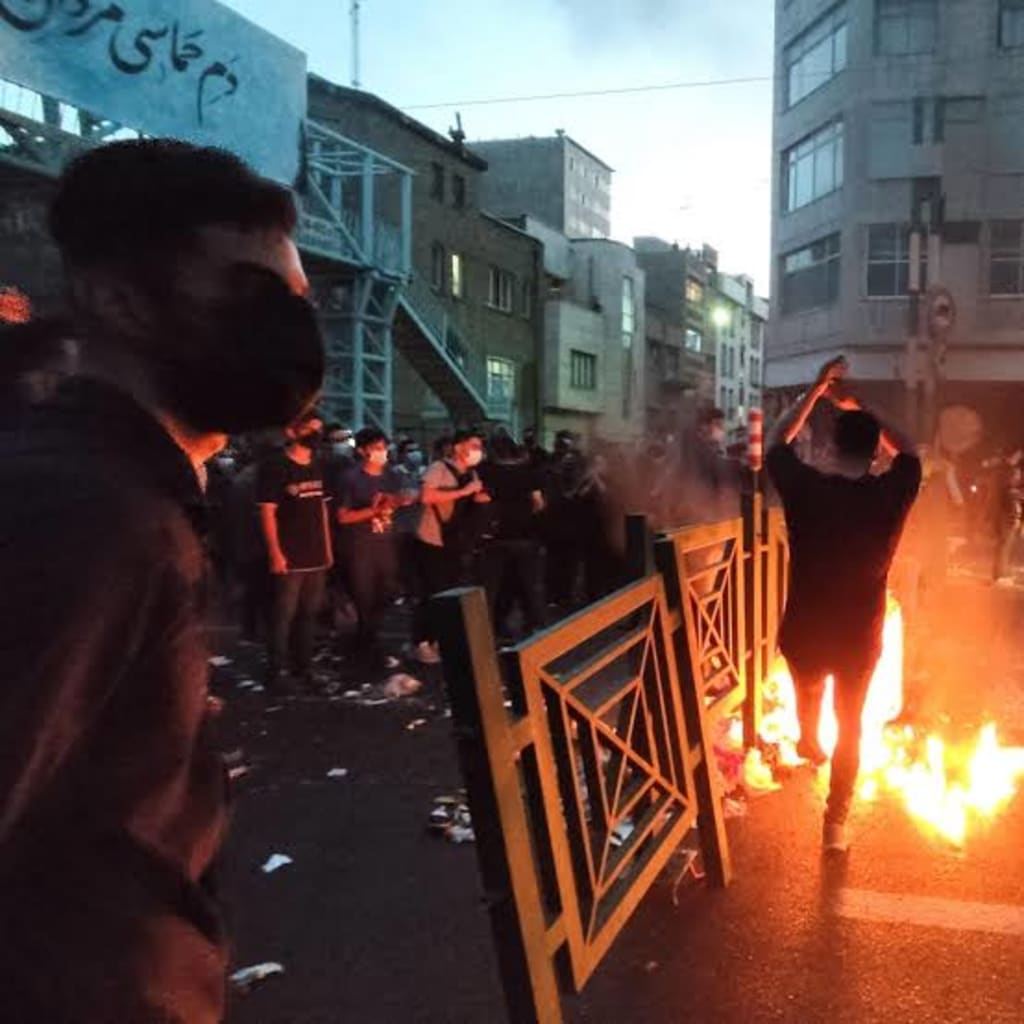
Pressure mounts on Tehran as families, reformists and rights groups demand transparency over disputed casualty figures
As nationwide protests in Iran enter their third month, calls for an independent inquiry into the death toll of demonstrators killed during a bloody crackdown are gaining momentum inside the country and abroad. The issue has become one of the most contentious political flashpoints since the unrest began in late December, with official figures diverging sharply from independent estimates and activists demanding clarity and accountability. �
The Guardian
The Iranian government has officially acknowledged that 3,117 people died during the protests, according to figures released by the Martyr’s Foundation, which include both protesters and members of security forces. � However, critics of the regime and human rights groups have disputed this number, saying it is far too low and fails to capture the true scale of the violence. Independent observers, rights activists and leaked medical data compiled by healthcare workers suggest the real number could be tens of thousands, with some estimates ranging up to 30,000 or more fatalities. �
The Guardian
The Guardian +1
Government Response and Publication of Names
In a rare move, Iranian authorities announced they would publish the names of those killed during the unrest. This was widely seen as an attempt to quell criticism that Tehran was suppressing information and to counter allegations of crimes against humanity. � The announcement was unusual because, in past crackdowns, officials have largely withheld casualty data, making it difficult for families and independent groups to document the true toll.
The Guardian
However, many Iranian reformists and civic activists have expressed skepticism about the government’s plan. They argue that simply releasing names under official oversight will not be transparent or credible enough to resolve the dispute or satisfy families who have lost loved ones. �
The Guardian
Demands for an Independent and Anonymous Reporting Platform
One proposal gaining traction among activists and legal experts is the creation of an independent online platform where families and witnesses can report deaths anonymously. A law professor in Tehran, Mohsen Borhani, who has been critical of the government and was previously imprisoned for his activism, suggested such a website could allow citizens to upload names and details of the deceased without fear of retaliation — provided the platform could verify information securely. �
The Guardian
Borhani argued that this method could prevent the data from being “one-sided” and controlled solely by the state. He stressed that families should be able to contribute their own information confidentially, creating a more accurate and democratic record of casualties. �
The Guardian
However, the fear of reprisals remains very real for many Iranians. Activists note that even identifying loved ones as having been killed in clashes with security forces or state militias can lead to harassment, arrest or worse. This fear has made it difficult for families to come forward, especially in the provinces where violence was most intense. �
The Guardian
Broadening Distrust and Calls for International Oversight
The debate over the death toll has also underscored the deep distrust between many Iranians and the clerical leadership. Reformists say the government’s longstanding control over information has only fueled suspicion and made reconciliation more difficult. “Many people no longer accept official data,” said reformist analyst Ahmad Zeidabadi, highlighting the depth of public skepticism. �
The Guardian
Some Iranians have begun calling for an international, independent inquiry, suggesting that only a fact-finding mission by a recognized global body such as the United Nations could overcome politicization and deliver credible results. � This mirrors recommendations from human rights organizations that previously urged international diplomatic action in response to “mass unlawful killings” and the government’s broader human rights record. �
The Guardian
Amnesty International
Wider Context of the Crackdown
The protests, which erupted amid economic hardship and political grievances, quickly spread across dozens of cities, drawing millions onto the streets. Initially sparked by domestic issues, the demonstrations evolved into a broad challenge to the political establishment, prompting a forceful response from security forces and the Islamic Revolutionary Guard Corps. �
Wikipedia
Numerous independent tallies have recorded significant casualties, with verified figures from activist groups varying widely. Some rights organizations have confirmed nearly 4,000 deaths, while other non-government estimates suggest the toll may be far higher — possibly into the tens of thousands — as confirmed deaths continue to rise and many reports remain under review. �
Hands Off Cain +1
The Human Toll and Families’ Grief
Beyond statistics, families across Iran have been struggling to understand what happened to their loved ones. Schools, workplaces, and entire communities have been torn apart by grief and fear. The issue of accounting for the dead has become deeply personal for countless Iranians, with some teachers’ unions even publishing names of children believed to have been killed. �
The Guardian
The human rights implications are also significant. A United Nations expert recently reported that protesters injured in hospitals were reportedly being detained, and that efforts to intimidate medical personnel and families were widespread. Such practices have raised serious concerns about violations of international law and medical neutrality. �
Reuters
A Turning Point for Transparency?
As calls for independent investigation grow louder, the issue has moved from obscured casualty numbers to broader questions of accountability, transparency and justice. Iran’s announcement to release names was seen as a tentative step toward openness, yet the persistent distrust suggests that more substantive measures will be needed to satisfy families and critics alike.
Whether these pressures will lead to a genuinely independent inquiry — or even international involvement — remains unclear. But the debate itself reflects a changing political dynamic within Iran, where citizens are demanding not only truth about the past but assurances that such violent crackdowns cannot be swept aside without scrutiny.
In the meantime, the dead, wounded and detained remain at the heart of a conflict over truth and recognition — a struggle that Iran’s authorities and its millions of citizens are still trying to resolve. �
The Guardian
About the Creator
Fiaz Ahmed
I am Fiaz Ahmed. I am a passionate writer. I love covering trending topics and breaking news. With a sharp eye for what’s happening around the world, and crafts timely and engaging stories that keep readers informed and updated.
Keep reading
More stories from Fiaz Ahmed and writers in The Swamp and other communities.
What to Know About the Strait of Hormuz as Iran Plans Military Drill Amid US Tensions
As tensions between Iran and the United States continue to rise, one of the world’s most strategically important waterways — the Strait of Hormuz — has become a central focus of international attention. Iran has announced a two-day live-fire naval exercise in the strait, heightening concerns about potential confrontation and disruptions to global energy markets.
By Fiaz Ahmed about 5 hours ago in The Swamp
Global Consumer Electronics Market Size & Forecast 2025–2033: Smart Devices, Connectivity, and the Next Digital Wave
Global Consumer Electronics Market Overview The Global Consumer Electronics Market is entering a new era of accelerated digital transformation. According to Renub Research, the market is expected to grow from US$ 1,196.45 billion in 2024 to US$ 2,099.93 billion by 2033, expanding at a CAGR of 6.45% during 2025–2033. This growth reflects the world’s increasing dependence on smart devices, advanced connectivity, and integrated digital lifestyles.
By Sakshi Sharmaabout 22 hours ago in The Swamp
Trump Says Putin Will Not Attack Ukraine Cities During Cold Week
talinter On January 29, 2026, U.S. President Donald Trump publicly announced that Russian President Vladimir Putin had agreed to refrain from attacking Kyiv and other Ukrainian cities for one week due to an “extraordinary cold” snap affecting the region. Trump made this claim during a televised cabinet meeting in Washington, describing the temperatures as record-breaking and extreme, both in Ukraine and in parts of the United States.
By Salaar Jamali2 days ago in The Swamp




Comments
There are no comments for this story
Be the first to respond and start the conversation.