
Body Cameras, Warrants Top List of Democrats’ ICE Demands
Senate Democrats push for sweeping ICE reforms — from body cameras to warrant requirements — as a potential government shutdown looms.

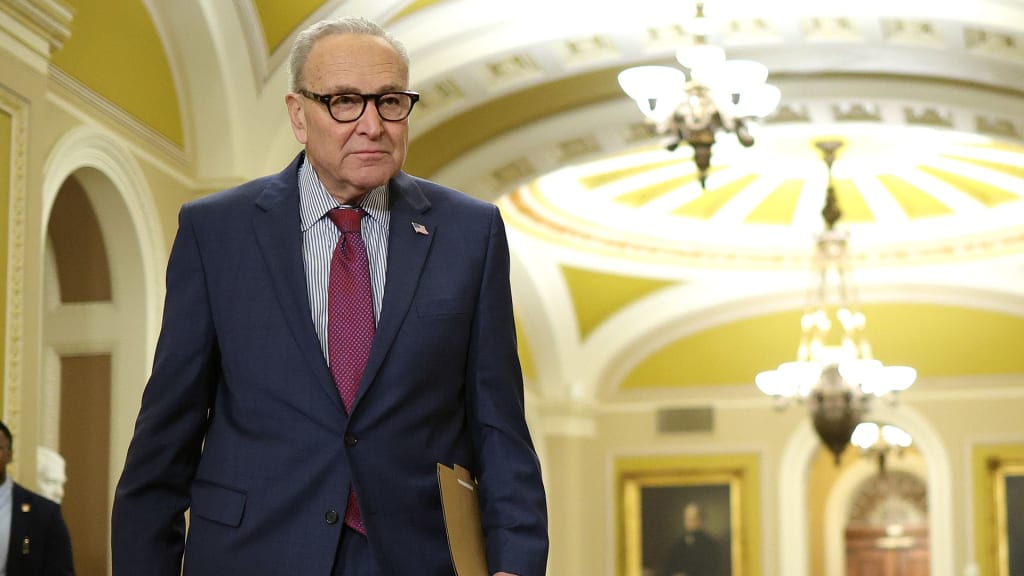
Senate Democrats are making major demands on Immigration and Customs Enforcement (ICE) as part of ongoing negotiations over Department of Homeland Security (DHS) funding. At the top of their agenda: body cameras for agents, stricter warrant requirements, and increased accountability measures.
The stakes are high. Lawmakers have tied these reforms to DHS appropriations bills, which fund ICE operations. With a partial government shutdown looming, the fight over ICE policies has become one of the most politically charged debates in Washington.
Why Democrats Are Pushing for ICE Reform
The push comes amid public scrutiny of ICE enforcement actions, including controversial incidents in U.S. cities such as Minneapolis. Democrats argue that federal immigration agents currently operate with too little transparency, particularly during arrests and deportations.
Senate Minority Leader Chuck Schumer (D‑NY) emphasized the need for reforms, saying, “We need to ensure accountability and trust in our immigration system. These are common-sense reforms that protect both civil liberties and public safety.”
Democrats contend that adding oversight measures, like body cameras and warrant requirements, will help reduce misconduct and increase public confidence in federal immigration enforcement.
Key Demands
The Democratic package includes several high-profile measures:
1. Mandatory Body Cameras
ICE agents would be required to wear and activate body cameras during enforcement actions. This provision is aimed at creating a verifiable record of operations and reducing incidents of abuse or excessive force.
2. Warrant Requirements for Enforcement
Democrats want ICE to obtain judicial warrants for certain actions, especially in communities where agents conduct “roving patrols” or home raids. This ensures oversight and aligns ICE practices more closely with those of local law enforcement.
3. Uniform Code of Conduct
The party is calling for a federal code of conduct for ICE agents, including clear rules for use of force, mandatory investigations of misconduct, and coordination with local authorities.
4. No Masks or Concealed Identities
Democrats propose that agents cannot conceal their identities during operations. The idea is to promote accountability and trust between immigration officials and the communities they serve.
These reforms reflect Democrats’ focus on transparency, accountability, and oversight, addressing long-standing concerns about ICE operations.
Political Stakes
Tying ICE reform to DHS funding has turned the debate into a high-stakes political confrontation. The current appropriations bill includes roughly $10 billion for ICE, and a failure to pass the bill could trigger a partial government shutdown.
Democrats have made clear that they will not support DHS funding without these reforms, while many Republicans resist changes that might limit ICE’s operational authority. Some GOP lawmakers have expressed willingness to negotiate certain oversight measures, but a majority maintain that funding should proceed without conditions.
This standoff highlights the broader political divide over immigration enforcement, with Democrats emphasizing civil liberties and Republicans emphasizing law-and-order priorities.
Broader Implications
The ICE reform debate touches on several broader issues:
Public Trust: Adding body cameras and warrant requirements could increase confidence in ICE and reduce tension between enforcement officers and communities.
Federal vs. Local Authority: The debate underscores ongoing tension between federal power and state/local governance, especially in cities resistant to aggressive immigration enforcement.
Policy Precedent: How Congress handles these reforms could set a standard for federal accountability measures across other law enforcement agencies.
Experts note that even if body cameras are implemented, accountability relies on strong oversight. Without independent review and enforcement of misconduct cases, cameras alone may not prevent abuses.
Next Steps
Negotiations over DHS funding are expected to continue over the next few days. Democrats are pushing hard to pass binding language enshrining these reforms, while Republicans seek to keep the focus on budget priorities and ICE operational flexibility.
The outcome of these talks could have long-term effects on immigration policy, setting precedents for accountability in federal agencies and influencing public perception of ICE operations nationwide.
Conclusion
As Democrats tie ICE reforms to funding bills, the debate highlights the ongoing tension between law enforcement authority and civil liberties. Body cameras, warrant requirements, and transparency measures have become central issues, reflecting both public concern over ICE operations and the broader struggle over immigration policy in America.
Whether these reforms will be enacted remains uncertain, but the discussion underscores how accountability and oversight are now critical factors in shaping U.S. immigration enforcement. The weeks ahead will be crucial, as lawmakers negotiate a balance between effective border enforcement and responsible, transparent governance.
About the Creator
Asad Ali
I'm Asad Ali, a passionate blogger with 3 years of experience creating engaging and informative content across various niches. I specialize in crafting SEO-friendly articles that drive traffic and deliver value to readers.
Emirates Cancels Dubai–US Flights Amid Heavy Snow and Severe Weather
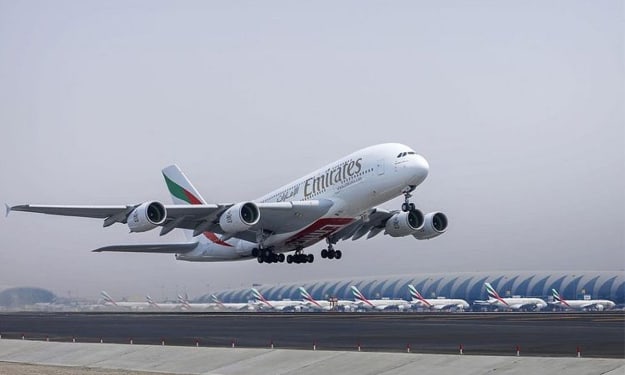
Safety concerns force airline to halt transcontinental routes Emirates Airlines has announced the cancellation of several flights between Dubai and the United States due to heavy snow and severe winter weather affecting multiple US airports. The airline emphasized that passenger safety is the top priority, and the decision comes as a precautionary measure amid worsening conditions. The cancellations have impacted travelers on routes including New York, Chicago, and Boston, creating disruptions for business and leisure passengers alike. While Emirates works to reschedule flights and accommodate affected travelers, weather-related challenges continue to complicate transcontinental travel. Severe Weather Hits the US The United States is currently experiencing extreme winter weather, with heavy snowfall, strong winds, and icy conditions reported across the Northeast and Midwest. Airports are facing delays, cancellations, and operational difficulties as crews work to clear runways and ensure passenger safety. Meteorologists warn that the storm may continue for several days, with some regions expecting snowfall totals exceeding 20 inches (50 cm). Travel authorities advise passengers to check flight statuses, monitor weather alerts, and plan for delays. Emirates’ Response Emirates has issued an official statement noting that: Safety remains the highest priority for passengers and crew. Flights impacted by the storm have been temporarily canceled or rescheduled. Affected travelers will be offered alternate flights, refunds, or accommodations as needed. The airline continues to monitor weather developments closely to minimize disruption. The airline’s customer service teams are working around the clock to assist passengers with travel adjustments, while airport staff coordinate with air traffic authorities to manage arrivals and departures safely. Impact on Travelers For passengers, the cancellations present several challenges: Delayed Travel Plans – Business meetings, vacations, and personal schedules may be disrupted. Accommodation Needs – Some travelers may require hotels or temporary lodging while waiting for rescheduled flights. Financial Concerns – Unexpected cancellations can lead to additional costs for transportation, meals, and accommodation. Travel Anxiety – Uncertainty around flight schedules adds stress and emotional strain for passengers. Experts recommend that travelers affected by flight disruptions contact the airline directly, monitor official flight updates, and avoid traveling to airports during severe storms. Airline Safety Protocols Airlines like Emirates follow strict safety protocols during severe weather: Pre-flight Assessment – Pilots and operations teams evaluate conditions to determine if flights can depart safely. Weather Monitoring – Constant tracking of snow, wind, visibility, and runway conditions. Ground Crew Operations – Runways, taxiways, and aircraft are cleared of snow and ice to prevent accidents. Passenger Safety Measures – Instructions are provided for boarding, deboarding, and in-flight safety during turbulence or adverse weather. These measures ensure that passengers and crew remain protected, even if travel is delayed. The Broader Aviation Context Severe winter storms are a major challenge for international airlines, particularly for long-haul flights. Factors affecting operations include: Airport Closures – Heavy snow and ice can lead to temporary airport shutdowns. Air Traffic Congestion – Delayed flights create a domino effect, affecting arrivals and departures globally. Aircraft Safety Checks – Icy conditions require de-icing procedures that take extra time. Crew Scheduling – Staff availability may be limited due to delays and weather-related restrictions. Experts emphasize that preemptive flight cancellations are often safer than attempting to operate during extreme conditions, even if it causes inconvenience. Advice for Travelers Passengers planning to fly on Dubai–US routes during the storm should: Check Flight Status Frequently – Use Emirates’ official website, app, or customer service hotline. Allow Extra Travel Time – Airport check-ins and security lines may take longer than usual. Stay Informed About Local Conditions – Weather updates can indicate whether airports are operational. Prepare for Delays – Pack essentials, including snacks, medications, and warm clothing, in case of extended waits. Consider Travel Insurance – Provides financial protection in case of cancellations or extended delays. By taking proactive steps, travelers can reduce stress and adapt to changes while waiting for safe flights. Looking Ahead Meteorologists predict that the storm will gradually move eastward, allowing airports to resume normal operations over the next several days. Airlines, including Emirates, are closely coordinating with air traffic control and local authorities to restore service safely. While winter weather may temporarily disrupt transcontinental flights, the airline emphasizes that passenger safety always comes first, and operations will resume once conditions permit. Conclusion The cancellation of Dubai–US flights by Emirates amid heavy snow and severe weather underscores the importance of safety in air travel. While passengers face inconvenience and delays, the airline’s decision reflects responsible risk management in the face of extreme conditions. By prioritizing safety, following strict protocols, and keeping travelers informed, Emirates demonstrates how airlines navigate the challenges of winter storms while maintaining global connectivity. Passengers are advised to remain patient, monitor updates, and plan for delays as the weather gradually improves.
By Fiaz Ahmed 5 days ago in The Swamp
Nigerian Farmers Speak Out on How Climate Change Is Hitting Staple Food Crops — and What Can Help
Across Nigeria’s farmlands — from the dry expanses of the north to the wetter soils of the south — farmers are confronting a stark new reality: climate change is reshaping the landscape of food production and threatening the country’s ability to feed itself. For millions of smallholder farmers who grow staple crops like maize, cassava, rice, millet, sorghum and yam, erratic weather, prolonged droughts and sudden floods are no longer distant predictions — they are everyday challenges that jeopardize harvests, incomes and food security.
By Salaar Jamaliabout 17 hours ago in The Swamp



Comments
There are no comments for this story
Be the first to respond and start the conversation.