
Immigration was a Republican strength. Now some fear it’s slipping away before the midterms
Shifts in voter sentiment and party strategy may be eroding Republican advantage on immigration heading into the 2026 midterms

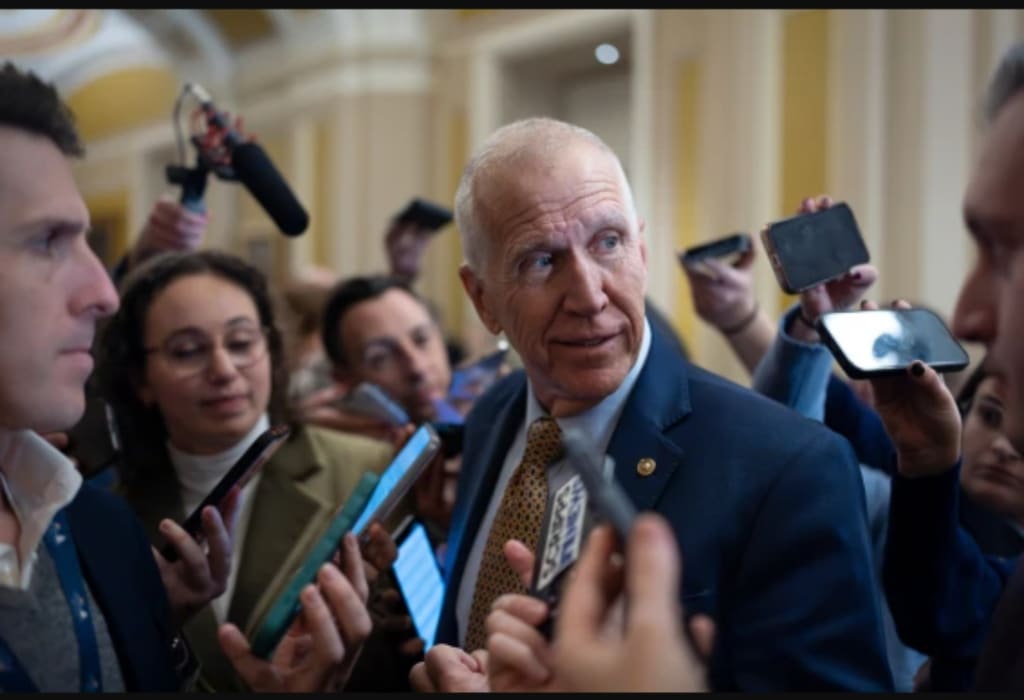
For decades, immigration has been a defining issue for the Republican Party, helping candidates energize their base and frame debates around border security, illegal immigration, and law-and-order policies. From presidential races to gubernatorial elections, Republican campaigns have leveraged immigration as a key pillar of their political strategy.
However, as the 2026 midterms approach, some Republican strategists and political analysts are beginning to worry: the party’s traditional advantage on immigration may be slipping away, and the reasons are both complex and multifaceted.
Republican Dominance on Immigration
Historically, Republicans have framed immigration around national security, border enforcement, and opposition to illegal immigration, appealing to voters concerned about jobs, public safety, and cultural change. Policies like the construction of the border wall, stricter visa regulations, and increased ICE enforcement have energized conservative voters and created a clear differentiator with Democrats.
Polling data from previous election cycles consistently showed immigration as a net advantage for Republican candidates, particularly in swing states where border issues resonate with moderate and conservative voters alike.
What’s Changing
Recent trends suggest that the Republican advantage may be softening, due in part to demographic shifts, evolving public attitudes, and strategic missteps by the party.
1. Demographic Changes
The U.S. electorate is becoming increasingly diverse, with younger voters and Latino populations growing as a share of the electorate. According to political analysts, younger and first-generation voters often prioritize economic opportunity, inclusivity, and humane immigration policy, which may not align with the hardline positions historically associated with Republican campaigns.
2. Voter Fatigue With Hardline Messaging
Some voters express fatigue over repetitive, aggressive immigration rhetoric, particularly when it is paired with controversial policies such as family separations, detention centers, or restrictive asylum regulations. These voters may be switching allegiance or abstaining, reducing the impact of immigration as a rallying issue for the GOP.
3. Policy Complexity and Messaging Challenges
Immigration policy is complex and often intersects with labor markets, international relations, and economic considerations. Overly simplistic messaging risks alienating educated suburban voters and moderates, who may view extreme measures as politically opportunistic rather than solutions-oriented.
Impact on the 2026 Midterms
Political observers warn that if the Republican Party cannot recalibrate its immigration messaging, it may lose its traditional advantage in key swing districts and states. Analysts point to several potential effects:
Suburban Shift: Suburban voters, especially women and college-educated constituencies, may lean away from candidates who emphasize strict enforcement over comprehensive policy solutions.
Latino Voter Influence: Latino voters are a growing demographic in states like Florida, Arizona, Nevada, and Texas. Their political influence could tip local races if immigration messaging is perceived as punitive or exclusionary.
Youth Engagement: Young voters are increasingly influential in primaries and general elections. Candidates failing to appeal to their priorities, such as immigration reform, DACA protections, and pathways to citizenship, may see reduced turnout.
Republican Strategies in Flux
Faced with these challenges, the GOP is exploring multiple approaches to maintain competitiveness on immigration:
1. Policy Nuance: Some Republican lawmakers are advocating for reformed immigration policies that combine enforcement with legal pathways for work visas, temporary programs, or targeted reforms. The goal is to appeal to moderates without alienating the base.
2. Economic Framing: Instead of focusing solely on border enforcement, some strategists emphasize the economic benefits of skilled immigration, framing it as a tool for growth, innovation, and competitiveness.
3. Targeted Messaging: Campaigns may adjust messaging based on local demographics, emphasizing security in rural areas while highlighting job opportunities and legal reforms in urban and suburban districts.
Despite these efforts, internal tensions within the party persist, with hardliners insisting that strict enforcement remains non-negotiable, while moderates push for pragmatic solutions to avoid electoral losses.
Broader Political Implications
The shifting dynamics of immigration politics could have ripple effects beyond midterms. If Republicans lose their grip on this historically reliable issue:
Democrats may capitalize on moderate and swing voters dissatisfied with punitive policies.
Immigration could emerge as a bipartisan opportunity rather than a partisan wedge, forcing both parties to articulate nuanced solutions.
The GOP may need to diversify its platform, emphasizing other issues like the economy, national security, and energy policy to retain voter support.
Analysts caution that missteps now could cost Republicans crucial seats, particularly in battleground states where immigrant populations and suburban moderates are decisive.
Conclusion
Immigration has long been a cornerstone of Republican political strategy, energizing conservative voters and defining campaigns. Yet as the 2026 midterms approach, demographic changes, voter fatigue, and messaging challenges threaten to erode this advantage.
Republicans face a choice: continue emphasizing hardline policies that resonate with their base but risk alienating moderates, or adopt a more nuanced, solutions-oriented approach to appeal to a broader electorate. How the party navigates this issue may determine not only the outcome of key races but also the long-term political trajectory of immigration as a partisan issue.
As midterms near, all eyes will be on GOP strategies, voter response, and whether immigration remains a Republican strength or becomes an electoral liability.
About the Creator
Asad Ali
I'm Asad Ali, a passionate blogger with 3 years of experience creating engaging and informative content across various niches. I specialize in crafting SEO-friendly articles that drive traffic and deliver value to readers.
Imran Khan’s Health in ‘Grave Danger’ After Eye Blockage Diagnosis, Party Says
Political tensions rise as concerns grow over the former prime minister’s medical condition Fresh concerns have emerged over the health of former Pakistani Prime Minister Imran Khan, after his political party warned that his condition is in “grave danger” following a diagnosis related to an eye blockage. The statement has drawn widespread attention, adding a new layer of urgency to Pakistan’s already tense political climate. According to party representatives, the condition requires immediate and proper medical care. They argue that delays or restrictions in treatment could lead to serious and potentially irreversible consequences. While official medical details remain limited, the warning has sparked debate over prisoner health rights, transparency, and political accountability. What the Party Has Claimed Imran Khan’s party has stated that doctors identified a blockage affecting his eye, a condition that can interfere with blood flow and vision. Party officials say the diagnosis raises serious concerns and should be treated as a medical emergency. They have emphasized that eye-related blockages, if left untreated, may lead to long-term damage. The party insists that timely access to specialists, diagnostic tests, and treatment is essential to prevent further complications. The use of strong language such as “grave danger” reflects growing frustration among supporters, who believe Khan’s health situation is not being handled with the seriousness it deserves. Why Health Claims Matter in Detention Health concerns involving detained political leaders often draw public attention, especially in countries where politics is deeply polarized. International norms stress that detainees, regardless of status, are entitled to adequate medical care. Legal experts note that access to healthcare is not a political privilege but a basic right. When health warnings are ignored or delayed, they can become human rights issues, attracting scrutiny from courts, civil society, and international observers. In Khan’s case, supporters argue that medical transparency would help reduce speculation and restore public confidence. Understanding Eye Blockage Conditions While exact medical details have not been officially released, eye blockages generally refer to restricted blood flow affecting vision. These conditions can vary in severity and cause. Possible risks include: Sudden vision loss Persistent pain or pressure Long-term damage if untreated Medical professionals often stress early diagnosis and intervention. However, without official medical reports, it remains unclear how advanced the condition may be. Political Context Behind the Concern Imran Khan remains one of Pakistan’s most influential and divisive political figures. His legal troubles and detention have fueled ongoing political tensions across the country. Any development related to his health quickly becomes politically charged, with supporters viewing it as a test of fairness and opponents urging caution against politicizing medical issues. This situation highlights the difficulty of separating health matters from politics in high-profile cases. Calls for Transparency and Independent Review Human rights groups and legal analysts have repeatedly emphasized the importance of independent medical assessments in cases involving detained leaders. Transparent medical evaluations help ensure credibility and prevent misinformation. Party leaders have demanded that: Independent doctors be allowed to examine Khan Medical reports be shared with legal teams Treatment decisions remain free from political influence Such steps, they argue, would reduce tensions and reassure the public. Public Reaction and Supporter Response News of Khan’s reported health condition has triggered strong reactions among his supporters. Many have taken to social media to express concern and demand immediate action. Public gatherings, online campaigns, and legal petitions have followed similar health-related claims in the past. Analysts warn that continued uncertainty could lead to increased unrest if supporters believe medical needs are being ignored. At the same time, others urge patience, calling for verified information rather than emotionally driven conclusions. Government Silence and Official Position So far, official responses have been limited. Authorities have not released detailed medical statements addressing the party’s claims, which has fueled speculation. In high-profile cases, delays in communication often worsen public mistrust. Observers note that clear and factual updates could help ease tensions and prevent rumors from spreading. Silence, even if procedural, can be interpreted as indifference in politically sensitive situations. Health, Law, and Political Stability The situation underscores how health issues intersect with law and political stability. When the health of a prominent political figure is questioned, the impact extends beyond personal well-being. Such moments test: Legal safeguards for detainees Institutional transparency Public trust in governance Pakistan has faced similar challenges in the past, where unresolved health controversies added pressure to already fragile political environments. What Happens Next The coming days may prove crucial. Much will depend on whether: Independent medical evaluations are allowed Official health updates are shared Treatment access is clearly confirmed If authorities address the concerns openly, tensions may ease. If not, the issue could continue to dominate political discourse and legal proceedings. Conclusion The claim that Imran Khan’s health is in “grave danger” following an eye blockage diagnosis has intensified scrutiny on how health issues are managed in politically sensitive cases. While medical facts remain limited, the situation highlights broader questions about detainee rights, transparency, and accountability. In a deeply divided political landscape, clear communication and proper medical care are essential—not only for Khan’s well-being but also for maintaining public confidence. As attention remains focused on his condition, the response from authorities may shape both political reactions and public trust in the days ahead.
By Fiaz Ahmed about 22 hours ago in The Swamp
Navantia UK Marks One Year Since Harland and Wolff Buy
A year of transformation, challenges, and renewed ambition for British shipbuilding One year after Navantia UK completed its acquisition of Harland and Wolff, the historic shipbuilding company is showing early signs of recovery, stability, and renewed purpose. The deal, widely seen as a lifeline for one of the UK’s most iconic industrial names, has reshaped the future of British shipbuilding while strengthening ties between the UK and Spain’s naval industry. Harland and Wolff, best known for building the Titanic, had faced years of financial uncertainty before the takeover. Navantia’s purchase marked a turning point, bringing new investment, technical expertise, and access to international defense contracts. Why the Acquisition Mattered Before the acquisition, Harland and Wolff struggled with cash flow problems, delayed contracts, and uncertainty over its long-term survival. The company’s four UK shipyards—Belfast, Appledore, Methil, and Arnish—were at risk, threatening thousands of skilled jobs. Navantia UK, backed by the Spanish state-owned defense giant Navantia, stepped in with a clear plan: Stabilize operations Protect jobs Modernize facilities Integrate the yards into global naval supply chains For the UK government, the deal aligned with national goals to strengthen domestic shipbuilding capacity and support long-term defense programs. Progress Over the Past Year In the year since the acquisition, Navantia UK has focused on rebuilding confidence and restoring operational stability. Key developments include: Financial restructuring to stabilize cash flow Investment in infrastructure, including upgraded equipment and facilities Retention of skilled workers, preventing major job losses New contracts and partnerships, particularly in defense and offshore energy While progress has not been without challenges, industry observers note that the company is now on firmer footing than it was a year ago. Role in UK Defense Programs One of the most important aspects of the acquisition has been Harland and Wolff’s role in major UK defense projects. The shipyards are involved in: Fleet Solid Support (FSS) ships for the Royal Navy Offshore patrol and support vessels Maintenance and fabrication work linked to naval modernization Navantia’s experience in building advanced warships for international clients has strengthened Harland and Wolff’s technical capabilities. This collaboration has improved efficiency and increased confidence among government and defense stakeholders. Economic and Regional Impact The acquisition has had a noticeable impact on regional economies, particularly in Northern Ireland and Scotland. Shipbuilding is not only a source of employment but also a driver of: Apprenticeships and training programs Local supply chains Engineering and manufacturing skills Navantia UK has emphasized workforce development, working with local colleges and training centers to build the next generation of shipbuilders. This focus is seen as essential to ensuring the long-term sustainability of the industry. Challenges Still Ahead Despite positive momentum, challenges remain. These include: Rising material and energy costs Competition from international shipbuilders Pressure to deliver complex projects on time and within budget Long-term uncertainty in global defense spending Industry experts stress that continued government support and careful project management will be critical to maintaining progress. Strengthening UK–Spain Industrial Ties Beyond shipbuilding, the acquisition has strengthened industrial cooperation between the UK and Spain. Navantia’s presence in the UK creates opportunities for: Technology sharing Joint research and development Export collaboration This partnership reflects a broader trend in defense industries, where cross-border cooperation is increasingly necessary to manage costs and deliver advanced capabilities. Industry Reaction The first anniversary of the acquisition has been met with cautious optimism. Trade unions, industry leaders, and local officials have welcomed the renewed stability but continue to call for: Long-term investment guarantees Clear pipelines of future work Continued skills development Many see the acquisition as proof that historic industrial assets can be revived with the right combination of investment and strategic vision. Looking Ahead As Navantia UK enters its second year of ownership, the focus is shifting from stabilization to growth. Priorities include: Winning new defense and commercial contracts Expanding offshore renewable energy work Improving productivity across all four shipyards Strengthening the UK’s position in global shipbuilding markets The success of these goals will determine whether the acquisition becomes a long-term success story or simply a temporary rescue. Conclusion One year after Navantia UK acquired Harland and Wolff, the shipbuilder is in a stronger position than it was before the deal. While challenges remain, the acquisition has delivered stability, protected jobs, and reopened pathways for growth. For the UK shipbuilding industry, the partnership represents a renewed commitment to industrial capability, skilled labor, and international collaboration. As Navantia UK builds on its first year, the coming months will be critical in shaping the future of one of Britain’s most historic industrial names.
By Fiaz Ahmed about 16 hours ago in The Swamp




Comments
There are no comments for this story
Be the first to respond and start the conversation.