
Nigerian Farmers Speak Out on How Climate Change Is Hitting Staple Food Crops — and What Can Help
From drought to flooding, Nigeria’s smallholder farmers are on the front lines of climate disruption, urging climate‑smart actions to protect food security and rural livelihoods


Across Nigeria’s farmlands — from the dry expanses of the north to the wetter soils of the south — farmers are confronting a stark new reality: climate change is reshaping the landscape of food production and threatening the country’s ability to feed itself. For millions of smallholder farmers who grow staple crops like maize, cassava, rice, millet, sorghum and yam, erratic weather, prolonged droughts and sudden floods are no longer distant predictions — they are everyday challenges that jeopardize harvests, incomes and food security.
A Growing Threat to Staple Crops
Staple food crops are the backbone of Nigeria’s agriculture sector and rural livelihoods. But climate change is quietly upending the conditions that once made farming predictable. According to recent research involving interviews with hundreds of smallholder farmers, drought stands out as the most severe climate‑related threat, particularly threatening maize and cassava, two key sources of nutrition and income. Farmers report that prolonged dry spells can kill growing crops outright, reducing yields and forcing costly re‑planting.
But drought is not the only enemy. Flooding has also increased, turning once‑fertile fields into waterlogged plots where crop roots rot and soil structure deteriorates. Rice, for example, is especially sensitive to floods, with waterlogged conditions drastically lowering yields. Millet and yam can tolerate some flooding better than other staples, but they remain vulnerable when droughts are prolonged or erratic.
Researchers have also documented that temperature changes — while less immediately visible — are contributing to increased pest infestations and crop stress, further damaging yields and reducing food quality.
Human Stories Behind the Numbers
For many Nigerian farmers, climate shocks are not abstract statistics — they represent lost income, empty granaries and uncertain futures. One maize farmer in the north, where rainfall has become unpredictable and increasingly scarce, described how water tables have dropped, forcing him to dig deeper wells just to irrigate his fields. In the rainy south, farmers have seen once‑reliable rainy seasons give way to sudden floods that wash away seedlings and disrupt planting schedules.
These on‑the‑ground experiences echo broader national trends. According to climate data from the World Meteorological Organisation, Nigeria is likely to experience some of its highest temperatures on record, intensifying heat stress on crops and people alike.
The agriculture sector remains central to Nigeria’s economy, employing more than 70 percent of the population and contributing significant portions of GDP. This heavy reliance on agriculture — much of it rain‑fed and low‑input — makes the sector especially vulnerable to climate swings.
Why Smallholder Farmers Are Vulnerable
Several structural challenges magnify the impact of climate change on Nigeria’s food systems:
Rain‑fed dependence: Most small farms rely on rainfall rather than irrigation, meaning that changes in rainfall patterns directly translate into crop stress.
Water scarcity: Many traditional water sources such as rivers and shallow wells are drying up, particularly in the north, leaving farmers with fewer options for irrigation.
Limited access to climate information: While many farmers have contact with agricultural extension officers, fewer than half receive useful information about climate change — limiting their ability to plan for extreme weather.
Pest pressures: Rising temperatures often lead to more pest outbreaks and plant diseases, further weakening crop resilience.
When staple crops fail, the effects ripple outward — food supplies tighten, food prices rise, and vulnerable households face the risk of hunger or malnutrition. For a country where millions depend on agriculture not just for food but for income, these risks have both economic and social repercussions.
What Farmers Say Can Help
Despite these challenges, farmers and researchers alike offer a range of practical solutions that could help Nigeria’s agriculture adapt and thrive:
1. Climate‑Resilient Crop Varieties
One of the most effective tools is the adoption of drought‑resistant crop varieties. Improved maize, millet and other staple crop seeds can better withstand prolonged dry spells and erratic rainfall, increasing the likelihood of successful harvests.
2. Better Water Management
Efficient water strategies are essential. Farmers have called for small‑scale rainwater harvesting, drip irrigation and improved drainage systems to capture scarce water during rains and protect fields from flooding. Constructing raised beds and clearing blocked water channels are simple but impactful techniques.
3. Cooperative Farming and Shared Resources
Many farmers highlighted the importance of cooperative societies, which can pool resources, share machinery and lower costs for inputs like fertilizer and seed. These groups also provide collective bargaining power in markets.
4. Climate‑Smart Agriculture Training
Extension officers — government agricultural advisors — are well positioned to spread knowledge about climate‑smart agricultural practices such as crop diversification, staggered planting schedules and community‑based monitoring. But these officers need resources and updated training themselves.
5. Early Warning Systems and Information Access
Access to timely weather and climate information is critical for planning planting and harvesting. Early warning systems — even basic SMS alerts — could significantly reduce crop losses from extreme weather.
Future Pathways: Innovation and Policy Support
Beyond individual practices, experts emphasize the importance of policy support and investment. Government programs that subsidize climate‑resilient seeds, expand irrigation infrastructure, and fund agro‑technology innovations could accelerate adaptation across the sector.
Technology platforms that deliver real‑time weather updates and market information to farmers via mobile phones are also gaining traction, empowering rural farmers to make informed decisions.
Infrastructure improvements — such as climate‑resilient roads, storage facilities and processing centers — are necessary to reduce post‑harvest losses and ensure that when crops are harvested, they reach markets efficiently.
Conclusion: A Crossroads for Nigeria’s Food Future
Nigerian farmers are clear: climate change is not a distant threat but a present‑day reality affecting their fields, incomes and food systems. Their experiences underline the urgency of climate action combined with practical adaptation — from drought‑tolerant seeds to efficient water management and community cooperation.
As the nation grapples with rising temperatures, shifting rainfall patterns and more frequent extreme weather, the stakes are high. The success of Nigeria’s agricultural future depends on how quickly smallholder farmers can access the tools, knowledge and support they need to adapt — not just to survive climate change, but to prosper in a changing world.
About the Creator
Keep reading
More stories from Salaar Jamali and writers in The Swamp and other communities.
UK, France, Canada Among 11 Countries Condemning Israel’s UNRWA Demolitions
On January 20, 2026, Israeli authorities demolished buildings belonging to the United Nations Relief and Works Agency for Palestine Refugees in the Near East (UNRWA) in East Jerusalem’s Sheikh Jarrah neighbourhood — a striking event that has drawn sharp international criticism and renewed tensions over humanitarian operations in the occupied Palestinian territories. In an uncommon diplomatic move, eleven countries, including the United Kingdom, France, Canada, and several European and Asian allies, issued a joint statement sharply condemning the action as an “unprecedented act” against a United Nations agency.
By Salaar Jamaliabout 19 hours ago in The Swamp
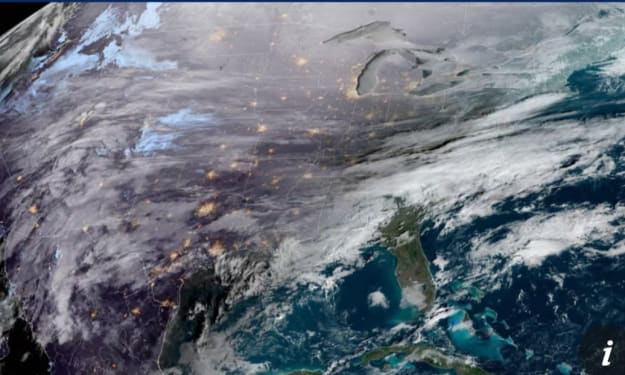
Monster Winter Storm Threatens Half of US as at Least 16 States Declare Emergencies
A monster winter storm sweeping across the United States is threatening nearly half the country, prompting at least 16 states to declare emergencies as authorities brace for heavy snow, ice, powerful winds, and life-threatening cold. Meteorologists warn that the sprawling system could become one of the most disruptive winter weather events of the season, affecting tens of millions of people from the Plains to the East Coast.
By Aarif Lashari6 days ago in The Swamp



Comments
There are no comments for this story
Be the first to respond and start the conversation.