
Barcelona and DR Congo: Football, Tourism, and Controversy Amid Conflict
A deep dive into FC Barcelona’s $46 million sponsorship deal with war-hit DR Congo and what it means for global football, ethics, and diplomacy.
Barcelona and DR Congo: Football, Tourism, and Controversy Amid Conflict
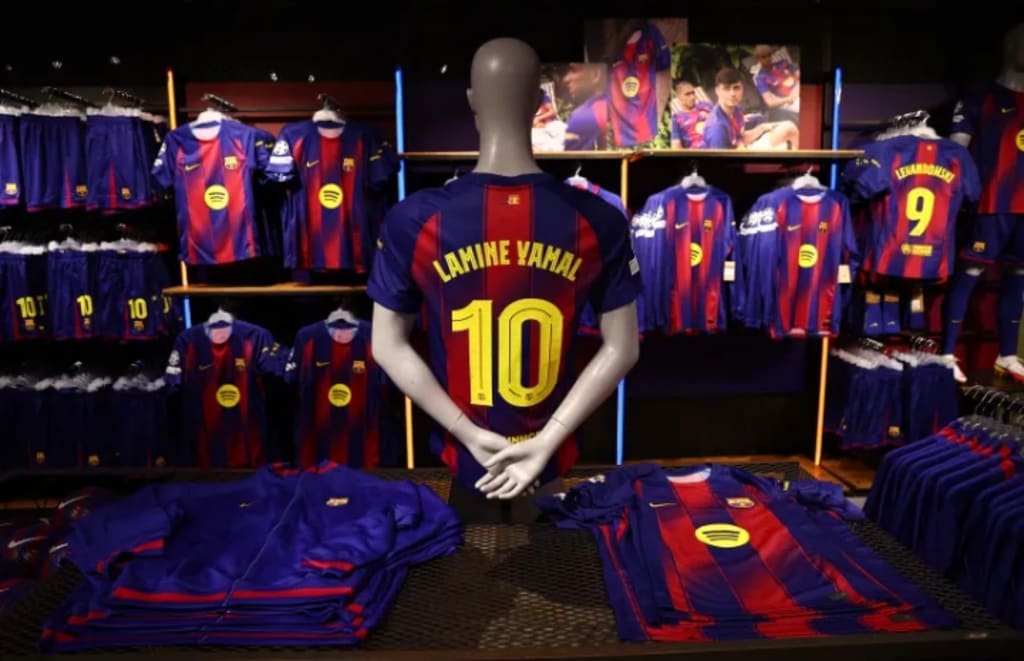
In a world where football and commerce intersect more than ever, a recent sponsorship agreement between Spanish football giant FC Barcelona and the Democratic Republic of Congo (DR Congo) has sparked heated conversations. According to a leaked contract seen by Reuters, DR Congo has agreed to pay over $46 million over four years to sponsor Barcelona—a deal that includes promoting DR Congo tourism on team apparel and media channels.
The deal, dated June 29, 2025, specifies that a logo branding DR Congo as the “Heart of Africa” will appear on the back of training and warm-up jerseys for both the men’s and women’s teams. It also covers advertising placements across the club’s media platforms, including magazines and annual reports. With DR Congo paying between $11.6 million and $13.3 million per year, this agreement mirrors similar tourism-driven sports sponsorships seen recently—but it comes with a unique set of challenges and ethical questions.
---
⚽ When Sports Meets Struggle: Why This Deal Is Different
While football clubs worldwide are no strangers to sponsorship deals with tourism boards, this particular partnership is controversial because of DR Congo’s ongoing humanitarian crisis and internal conflict. The country has been grappling with political instability, rebel insurgencies, and widespread poverty. Reports from the United Nations and human rights groups have detailed severe violence in eastern Congo, including mass displacement, civilian killings, and allegations of Rwandan-backed rebel influence.
Given this backdrop, the sponsorship deal raises several questions:
Should a war-hit country spend millions on football sponsorship while its citizens lack basic services?
Is Barcelona turning a blind eye to ethical concerns for commercial gain?
Can such partnerships truly improve a nation’s global image, or do they risk “sportswashing” political issues?
---
🌍 The “Heart of Africa” Branding Campaign
At the core of the deal is DR Congo’s attempt to reposition itself as a tourist destination. The country, rich in natural beauty and mineral wealth, hopes to use football’s global appeal to rebrand itself amid its troubled reputation.
The “Heart of Africa” logo is designed to evoke curiosity and attract tourists, investors, and media interest. However, critics argue that without addressing governance and safety issues first, this campaign may do little beyond surface-level PR.
---
🤝 A Growing Trend: African Nations & Football Sponsorship
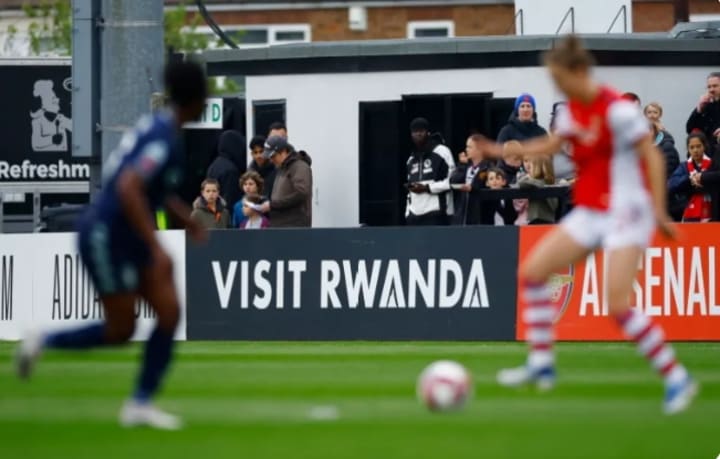
DR Congo is not the first African country to sponsor major football clubs. In fact, “Visit Rwanda” campaigns have become ubiquitous in top European leagues, appearing on the jerseys and stadiums of Arsenal, Paris Saint-Germain, and Bayern Munich.
But even these deals have stirred backlash.
In February 2025, DR Congo’s Foreign Minister, Therese Kayikwamba Wagner, openly called out clubs like Arsenal and Bayern for partnering with Rwanda, labeling those deals as “blood-stained” sponsorships. Her comments came shortly after M23 rebels, allegedly backed by Rwanda, captured the city of Goma in eastern DR Congo.
The UN's expert panel has since released findings suggesting that Kigali (Rwanda’s capital) maintained command and control over rebel movements during that offensive—further inflaming regional tensions.
This context adds irony and complexity to DR Congo now taking a similar approach to public relations, even as it accuses neighboring countries of misusing football for propaganda.
---
💰 Breaking Down the Numbers
Here’s a closer look at the financial side:
Barcelona will receive $46.37 million over four seasons.
DR Congo will pay between $11.6M and $13.3M annually for brand placement.
AS Monaco and AC Milan have also signed deals with DR Congo. While AC Milan’s deal is reported to be worth $16.2 million per season, Monaco’s contract is valued at $1.85 million per year.
DR Congo’s Tourism Ministry and Barcelona FC have so far not publicly commented on the details.
Critics argue that such sums—while potentially helpful for international branding—are massive for a country with critical funding gaps in health, education, and security.
---
🧠 Ethical Dilemmas: Sportswashing or Strategic Diplomacy?
The term “sportswashing” refers to the practice of using sports sponsorships to distract from or clean up a tarnished national image. In recent years, countries with questionable human rights records have been accused of investing heavily in sports to improve global perception—examples include Saudi Arabia in golf and Qatar in football.
DR Congo’s move appears to fall into a grey zone. While it seeks tourism and investment, the timing and backdrop—ongoing armed conflict and regional diplomatic accusations—raise valid concerns.
Barcelona, for its part, has declined to comment. But in an age of increased social awareness, the club may eventually need to address whether financial benefits outweigh potential damage to its brand integrity.
---
🏁 Final Thoughts: Symbolism Matters
Football is more than just a sport; it’s a global language. When powerful clubs like Barcelona enter partnerships, their choices carry symbolic weight.
For DR Congo, this sponsorship is an effort to shift focus away from war and toward development. But real progress comes not just from logos on jerseys, but from genuine political reform, safety, and economic transparency.
As the world watches this unusual partnership unfold, one thing is clear: football is no longer just about the game—it’s a stage where global politics, image-building, and money collide.
About the Creator
Keep reading
More stories from Ikram Ullah and writers in The Swamp and other communities.
Air India Flight 171: The Mysterious Fuel Cutoff That Led to Disaster
1. A Catastrophe Minutes After Takeoff On June 12, 2025, Air India Flight 171—a Boeing 787‑8 Dreamliner—crash-landed into a residential hostel in Ahmedabad just 30 to 40 seconds after takeoff. The plane was en route from Ahmedabad to London Gatwick, carrying 230 passengers and 12 crew members. Of those aboard, 241 perished, and 19 were killed on the ground, with dozens more injured. Only one passenger survived, later identified as Vishwash Kumar Ramesh .
By Ikram Ullah6 months ago in The Swamp
Jake Lang and the Silence Between Protest, Power, and Pain
Some names arrive quietly and leave little trace. Others settle into public life like a bruise, tender long after the moment that caused it. Jake Lang is one of those names. You may hear it in political debates, tense community meetings, or whispered conversations where people lower their voices without realizing it. His story sits at the edge of protest and consequence, belief and fear. It is not just about what he did, or where he stood, but about how society reacts when lines are crossed and meanings collide. To understand Jake Lang is to step into discomfort, where emotions matter as much as facts, and where silence often speaks louder than shouting.
By Muqadas khana day ago in The Swamp


Comments
There are no comments for this story
Be the first to respond and start the conversation.