
Automotive Actuators Market Companies Analysis: How Innovation, Electrification, and Automation Are Steering Global Growth
A deep-dive into leading players, trends, technologies, and the road ahead for a market rising from US$ 27.51 billion in 2024 to US$ 49.31 billion by 2033.

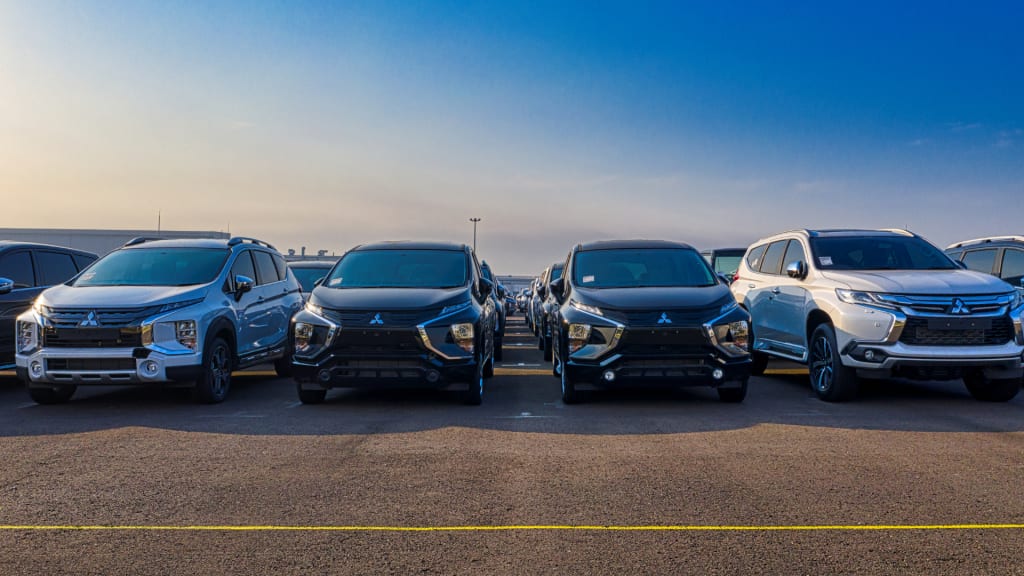
The global Automotive Actuators Market is on a vigorous upward curve, set to grow from US$ 27.51 billion in 2024 to US$ 49.31 billion by 2033, expanding at a 6.70% CAGR, according to Renub Research. This strong momentum reflects a transformative decade ahead for the automobile industry—one that is increasingly shaped by vehicle electrification, smart automation, and advanced safety systems.
Behind these transitions lies an unsung hero: the automotive actuator. Designed to convert electrical signals into mechanical movement, actuators have evolved from simple mechanical units to the highly precise, software-driven systems powering modern vehicles. As vehicles become cleaner, smarter, and more autonomous, demand for actuators is expanding across every major automotive subsystem.
This editorial-style analysis unpacks the market outlook, company strategies, product innovations, and sustainability actions of the world’s leading automotive actuator manufacturers.
Why Automotive Actuators Are Becoming More Critical Than Ever
At their core, automotive actuators enable motion—opening valves, regulating airflow, controlling gears, managing brakes, adjusting seating systems, and enabling safety mechanisms. But in today’s vehicles, they are far more sophisticated.
1. Electrification Drives Demand
Electric and hybrid vehicles rely heavily on actuators for:
Battery thermal management
Power distribution
Brake-by-wire systems
HVAC optimization
Charging port locking (in EVs)
Energy-efficient drive control
As EV penetration surges globally, so does actuator usage.
2. ADAS and Autonomous Vehicles Need Precision Motion
Actuators enable many core autonomous and ADAS features:
Adaptive cruise control
Lane-keep assist
Automatic emergency braking (AEB)
Active suspension
Steering-by-wire systems
Modern safety architecture is impossible without intelligent actuators.
3. Fuel Economy Regulations Are Tightening
Actuators improve energy efficiency through:
Variable valve timing
Turbocharger wastegate actuation
Active grille shutters
Airflow management
Governments worldwide are pushing stricter emission and efficiency norms—boosting actuator adoption.
Top Automotive Actuators Companies — Profiles, Developments & Market Position
Below is a consolidated editorial-style profile and analysis of major companies shaping the global automotive actuator landscape.
Robert Bosch GmbH
Founded: 1886 | Headquarters: Germany
A pillar in global automotive innovation, Bosch delivers a large portfolio of actuators including fuel control modules, brake actuators, HVAC actuators, and numerous precision motion systems. Its strength lies in:
Deep R&D capability
Broad automotive electronics ecosystem
Strong OEM partnerships across continents
Bosch’s footprint across the Americas, Europe, and Asia reflects unmatched market penetration.
Nidec Corporation
Founded: 1973 | Headquarters: Japan
Nidec leads in precision motor manufacturing, essential for actuator assemblies. Its brushless motors and micro-drive technologies power actuators in:
EV powertrains
HVAC systems
Autonomous sensing mechanisms
Its global production network ensures scalability and reliability, especially for emerging EV markets.
Denso Corporation
Founded: 1949 | HQ: Japan
A global OEM supplier powerhouse, Denso specializes in:
Powertrain actuators
Electronic and safety system actuators
Thermal management solutions
High-performance small motors
Its integration across electronics, electrification, and powertrain systems positions it as a key player in next-gen EV actuators.
Johnson Electric
Founded: 1959 | Headquarters: Hong Kong
Johnson Electric offers one of the industry's most extensive ranges of:
Motion subsystems
Microelectronics
Solenoids
Precision motors
Its strong presence in mobility, industrial, and consumer sectors ensures diversified demand streams.
Mitsubishi Electric Corporation
Founded: 1921 | Head Office: Japan
Mitsubishi Electric blends advanced electronics with automotive systems, providing actuators for:
HVAC systems
Factory automation-equipped vehicle production
EV subsystems
Power electronics
Its end-to-end electronics ecosystem contributes heavily to automotive electrification trends.
CTS Corporation — Recent Product Launch
September 2025: CTS introduced COBROS™, an innovation in electric motor control.
This technology reduces dependence on discrete sensors and improves precision and cost efficiency through in-situ magnetic field sensing—significantly impacting actuator performance.
Hitachi Ltd — Recent Innovation
October 2022: Hitachi Astemo unveiled a steer-by-wire prototype that eliminates the traditional steering column.
This milestone supports autonomous vehicle design, allowing flexible interiors, reduced mechanical complexity, and improved cabin utilization.
Aptiv PLC — SWOT Snapshot
Strength: Aptiv’s dominance lies in its electrical architecture and connector technology essential for actuator reliability.
Strong OEM relationships
Deep integration in ADAS and EV architecture
Robust global manufacturing
This makes Aptiv a preferred partner for next-generation actuator integration.
BorgWarner Inc. — SWOT Snapshot
Strength: Known for high-performance actuators used in:
Turbocharging systems
AWD modules
Electrified drivetrains
BorgWarner’s engineering excellence and OEM integration ensure high customization and reliability—crucial for performance vehicles and premium EVs.
HELLA GmbH & Co. KGaA — Recent Development
December 2023: HELLA expanded production for EV charging socket locking actuators, now producing over 2.5 million units annually.
The innovation guarantees safety during charging—a rapidly growing EV requirement.
Continental AG — Recent Development
April 2025: Continental showcased visionary automotive software and actuator technologies at Auto Shanghai, including:
Intelligent Driving Systems (Luna & Astra)
Central Light Computer
In2Visible Overhead Console
These innovations align with the shift toward software-defined vehicles where actuators and software must operate seamlessly.
Valeo SE — Sustainability Achievements
Valeo is heavily investing in climate transparency and low-carbon mobility:
Engaged in CDP and Race to Zero
Member of RE100, committed to 100% renewable power
Issued a €650 million green bond in May 2025 to fund EV electrification
Its CAP 50 initiative targets Net Zero emissions by 2050.
Schaeffler AG — Climate Target
Schaeffler’s sustainability plan aligns with Paris Agreement objectives:
Approved by SBTi
Emphasis on circular economy principles
Targeting deep reductions across value chain emissions
These efforts position Schaeffler as a sustainability-forward actuator supplier.
Additional Companies Included in the Market Ecosystem
Beyond the leaders above, major companies contributing extensively to the automotive actuators market include:
ZF Friedrichshafen AG
Mahle GmbH
Stoneridge, Inc.
EFI Automotive
Hoerbiger Holding AG
Aisin Seiki
Sensata Technologies Inc.
Each offers specialized actuator solutions in braking, exhaust management, thermal systems, chassis control, and body electronics.
Automotive Actuators Market: Historical Trends & Forecast Outlook
Historical Growth Drivers
Rise in vehicle production post-2010
Wider adoption of electronic systems in vehicles
Increased consumer demand for comfort and convenience (power windows, adjustable seating, climate control)
Shift from mechanical to electronic systems
Forecast Analysis (2024–2033)
Renub Research indicates a strong growth trajectory supported by:
Rapid EV adoption
Emerging economies scaling automobile production (India, Southeast Asia, Latin America)
Government pressure on emissions and safety norms
Surge in automated driving technologies
Market Share Insights
Electrification-focused manufacturers and companies specializing in precision motors are poised to gain the largest share. The market is seeing consolidation, partnerships, and R&D intensification as OEMs demand advanced, integrated actuator solutions.
Strategic Assessment of Leading Companies
Below is a combined editorial summary integrating the elements typically included in corporate assessments.
Business Model & Operations
Most companies follow a B2B OEM supply chain model, focusing on:
Large-scale manufacturing
Integration with vehicle architecture
Continuous R&D for performance improvements
Key Leadership Structure
Most firms maintain:
A global executive board
Divisional leadership for mobility, electronics, and EV systems
Regional operational management for localized manufacturing
Recent Strategies
Common strategies across major players include:
Heavy investment in EV powertrain actuators
Expansion of software-driven control systems
Collaborations with EV startups and autonomous vehicle firms
Supply chain regionalization to reduce geopolitical risk
Sustainability Outlook
Companies are increasingly prioritizing:
Renewable energy usage in factories
Energy-efficient production systems
Water conservation and waste reduction
Increased use of recyclable materials in actuator housings and components
Final Thoughts: The Road Ahead for the Automotive Actuators Market
As vehicles evolve from mechanical systems into autonomous, electrified, and software-defined machines, actuators are becoming the central nervous system of modern mobility. Their role in safety, comfort, efficiency, and performance continues to expand each year.
From Bosch and Denso to BorgWarner, Continental, and Valeo, the industry’s leading companies are investing heavily in intelligent actuators that align with global trends in:
Sustainability
Zero-emission vehicles
Autonomous driving
Digital integration
Lightweight engineering
With the market expected to reach US$ 49.31 billion by 2033, the sector is on track to remain one of the most critical pillars of the future automotive ecosystem.
About the Creator
Sushant. Renub Research
I’m Sushanta Halder, Digital Marketing Manager at Renub Research with 15+ years in SEO, content, PPC & lead generation. Passionate about data-driven growth strategies.
Keep reading
More stories from Sushant. Renub Research and writers in The Swamp and other communities.
United States Robotic Vacuum Cleaner Market Size and Forecast 2025–2033
The United States Robotic Vacuum Cleaner Market is undergoing remarkable growth as smart home adoption accelerates and consumers increasingly embrace tech-driven convenience. According to Renub Research, the market is projected to reach US$ 4.29 billion by 2033, up from US$ 1.63 billion in 2024, expanding at a CAGR of 11.33% from 2025 to 2033. This rapid rise reflects an evolving consumer mindset, a surge in home automation preferences, and continuous advancements in AI-enabled cleaning technologies.
By Sushant. Renub Research2 months ago in The Swamp
Ultra-Orthodox Fury Over Military Enlistment Turns Deadly in Israel
Tensions surrounding military enlistment in Israel have erupted into deadly violence, exposing one of the country’s deepest and most persistent social divides. At the heart of the crisis lies a long-standing exemption that allows many ultra-Orthodox Jewish men, known as Haredim, to avoid compulsory military service in order to pursue full-time religious studies. As Israel faces prolonged security challenges and an overstretched army, efforts to enforce broader enlistment have ignited anger, protests, and, most recently, fatal clashes. A Longstanding Divide in Israeli Society Military service is a defining institution in Israel. For most Jewish citizens, compulsory enlistment is seen not only as a legal duty but as a moral obligation tied to national survival. However, since the country’s founding, ultra-Orthodox communities have largely been exempt, based on the belief that Torah study contributes spiritually to the defense of the state. Over time, this arrangement has become increasingly controversial. The ultra-Orthodox population has grown rapidly and now represents a significant portion of Israeli society. Many secular and religious-Zionist Israelis argue that the exemption places an unfair burden on those who serve, particularly during times of heightened conflict. Calls for equality in service have intensified as reserve soldiers are repeatedly mobilized and casualties mount. Renewed Push for Enlistment Recent court rulings and political pressure have pushed the government to reconsider blanket exemptions. Israel’s Supreme Court has ruled that prolonged unequal treatment in enlistment is unconstitutional, forcing lawmakers to draft new policies. As a result, authorities began issuing draft notices to ultra-Orthodox men who had previously been shielded from service. This shift was perceived by many Haredi leaders as an existential threat to their way of life. They argue that military service undermines religious devotion, exposes young men to secular influences, and weakens tightly knit religious communities. Influential rabbis urged followers to resist enlistment, framing the issue as a spiritual battle rather than a civic dispute. Protests Turn Violent What began as demonstrations quickly escalated. Large crowds of ultra-Orthodox protesters gathered in several cities, blocking roads, clashing with police, and setting fires. Tensions reached a breaking point when confrontations turned deadly, with reports of serious injuries and at least one fatality linked to the unrest. The violence shocked the nation. While protests against enlistment are not new, the deadly outcome marked a dramatic escalation. Security forces responded with riot control measures, arrests, and road closures, further inflaming tempers within already volatile communities. Political Fallout and Public Anger The deadly clashes have placed immense pressure on Israel’s political leadership. Coalition governments often rely on ultra-Orthodox parties for parliamentary support, making decisive action politically risky. Critics accuse leaders of prioritizing coalition survival over national unity and equality. Public anger has surged, particularly among families of soldiers currently serving. Many argue that continued exemptions erode social cohesion and undermine trust in state institutions. Social media and opinion columns are filled with calls for universal service, while others warn that forcing enlistment could tear the social fabric even further. The Ultra-Orthodox Perspective From within the Haredi community, the crisis is viewed very differently. Many see state enforcement as persecution of religious life. Community leaders insist that Torah study is a sacred duty equal to military defense, and they reject narratives portraying them as unwilling to contribute to society. Some ultra-Orthodox citizens do serve in specialized military units designed to accommodate religious practices, but these programs have not been widely embraced. Skepticism remains high, fueled by fears of cultural erosion and loss of autonomy. A Nation at a Crossroads The deadly turn in protests underscores how unresolved the enlistment issue remains. Israel is grappling with fundamental questions: How can it balance religious freedom with civic equality? Can a society under constant security threat afford exemptions for a growing population? And is compromise still possible after violence has entered the equation? Experts warn that without meaningful dialogue, the situation could worsen. Some propose alternative national service options for ultra-Orthodox men, while others advocate gradual integration rather than abrupt enforcement. Trust-building measures, they argue, are essential to prevent further bloodshed. Conclusion The deadly unrest over military enlistment is more than a policy dispute—it is a reflection of Israel’s struggle to reconcile tradition, security, and equality in a rapidly changing society. As the nation mourns the loss of life and confronts rising divisions, the challenge ahead is clear. Finding a solution that respects religious identity while ensuring shared responsibility may be one of Israel’s most critical tests yet. The outcome will shape not only the future of military service, but the cohesion and character of the country itself.
By Fiazahmedbrohi 4 days ago in The Swamp


Comments
There are no comments for this story
Be the first to respond and start the conversation.