
Understanding Anxiety and Panic Disorders: Symptoms and Effective Treatment Options
Discover the Best Ways to Manage and Overcome These Common Mental Health Conditions
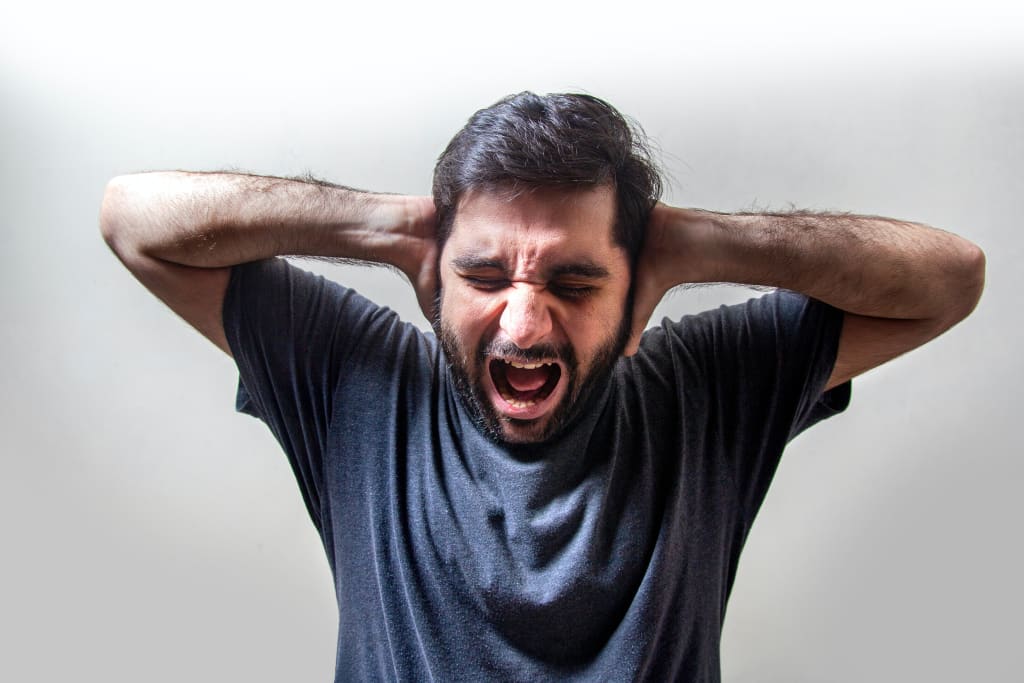
Anxiety and Panic Disorders: Symptoms and Treatment Options
Anxiety and panic disorders are mental health conditions that affect millions of people around the world. These conditions are characterized by excessive fear, worry, and nervousness that interfere with an individual's daily life. Anxiety disorders can range from mild to severe and can include conditions such as generalized anxiety disorder, social anxiety disorder, and panic disorder.
Symptoms of Anxiety and Panic Disorders
The symptoms of anxiety and panic disorders can vary from person to person, but some common signs include:
• Excessive worry and fear
• Nervousness or restlessness
• Rapid heartbeat or palpitations
• Shortness of breath or feelings of suffocation
• Chest pain or discomfort
• Trembling or shaking
• Sweating or hot flashes
• Dizziness or lightheadedness
• Nausea or stomach discomfort
• Feelings of detachment or "unreality"
• Fear of losing control or "going crazy"
• Fear of dying
Panic disorder is a specific type of anxiety disorder that is characterized by recurring panic attacks, which are sudden and intense episodes of fear. During a panic attack, an individual may experience many of the symptoms listed above, along with feelings of terror and a strong desire to escape the situation.
Treatment Options for Anxiety and Panic Disorders
The good news is that anxiety and panic disorders are treatable conditions. There are several effective treatment options available, including:
1. Psychotherapy: This type of therapy involves talking to a trained mental health professional about your thoughts, feelings, and behaviours. The therapist can help you identify patterns in your thinking and behaviour that may be contributing to your anxiety, and can teach you coping skills to manage your symptoms.
2. Medication: Antidepressants, beta-blockers, and benzodiazepines are some of the medications that may be used to treat anxiety and panic disorders. It's important to work with a doctor to find the medication that works best for you.
3. Lifestyle changes: Simple changes in your daily routine, such as exercise, stress-reduction techniques, and healthy sleep habits, can help reduce symptoms of anxiety and panic disorders.
4. Alternative therapies: Some people find relief from anxiety and panic disorders through alternative therapies such as acupuncture, massage therapy, and herbal supplements.
It's important to remember that every individual's experience with anxiety and panic disorders is unique, and what works for one person may not work for another. It may take some time to find the right combination of treatments, but with the help of a mental health professional and a supportive network of friends and family, you can learn to manage your symptoms and live a fulfilling life.
In conclusion, anxiety and panic disorders are treatable conditions that can have a significant impact on an individual's daily life. If you're experiencing symptoms of anxiety or panic, it's important to seek help from a mental health professional as soon as possible. With the right treatment, you can manage your symptoms and live a fulfilling life.
Anxiety and panic disorders can be debilitating conditions that affect an individual's overall quality of life. They can interfere with work, social relationships, and daily activities. However, with the right treatment and support, individuals with these conditions can manage their symptoms and live fulfilling lives.
Psychotherapy is one of the most common and effective treatments for anxiety and panic disorders. Different forms of therapy, such as cognitive-behavioural therapy (CBT), exposure therapy, and acceptance and commitment therapy (ACT), can help individuals learn coping skills to manage their symptoms. CBT, for example, can help individuals identify negative thought patterns that contribute to their anxiety and develop new, more positive ways of thinking. Exposure therapy involves gradually exposing individuals to the situations or objects that trigger their anxiety in a safe and controlled environment, helping them build confidence and tolerance. ACT focuses on accepting the presence of anxiety and developing a sense of values that guides the individual toward meaningful activities and relationships despite their symptoms.
Medication can also be helpful in treating anxiety and panic disorders. Antidepressants, beta-blockers, and benzodiazepines are commonly prescribed medications for these conditions. Antidepressants can help regulate the levels of serotonin, a neurotransmitter that regulates mood, in the brain. Beta-blockers can help reduce physical symptoms such as rapid heartbeat and tremors. Benzodiazepines can be used for short-term relief of severe symptoms, but they can be habit-forming and should only be used under the guidance of a healthcare professional.
Lifestyle changes can also play a role in managing anxiety and panic disorders. Exercise, for example, has been shown to reduce symptoms of anxiety by increasing levels of endorphins, which are natural mood-regulating chemicals in the brain. Stress-reduction techniques, such as mindfulness meditation, deep breathing, and progressive muscle relaxation, can also help reduce anxiety symptoms. Finally, maintaining healthy sleep habits, such as avoiding caffeine and alcohol before bed and creating a relaxing bedtime routine, can help improve overall sleep quality, which can in turn reduce anxiety symptoms.
Alternative therapies such as acupuncture, massage therapy, and herbal supplements can also be helpful for some individuals with anxiety and panic disorders. However, it's important to note that these therapies are not scientifically proven to be effective for everyone, and it's important to discuss any alternative therapies with a healthcare professional before trying them.
In summary, anxiety and panic disorders are treatable conditions that can be managed with the right treatment and support. Psychotherapy, medication, lifestyle changes, and alternative therapies are all effective treatments that can help individuals manage their symptoms and live fulfilling lives. If you're experiencing symptoms of anxiety or panic, don't hesitate to seek help from a healthcare professional. With the right treatment, you can overcome these conditions and live your best life.
About the Creator
Keep reading
More stories from Lakshmi Seshadri and writers in Psyche and other communities.
New tablet models released in 2023:
Examine the newest tablets of 2023 as we delve into the most recent technological developments. We outline the best picks in each category, from high-performance devices designed for gaming and the arts to low-cost options and 2-in-1 computers designed for productivity. Learn about the unique features of each tablet, such as the newest CPUs, brilliant displays, and adaptable accessories that elevate your tablet experience. Our thorough guide has something for everyone, whether you're a professional, student, or casual user, making it simpler than ever to select the ideal tablet for your needs.
By Lakshmi Seshadri3 years ago in Education


Comments
There are no comments for this story
Be the first to respond and start the conversation.