
The Digital Mirage: How Pornography Rewires Our Brains, Erodes Our Confidence, and How to Reclaim Your Life
The Brain on Porn: Hijacking Our Reward System
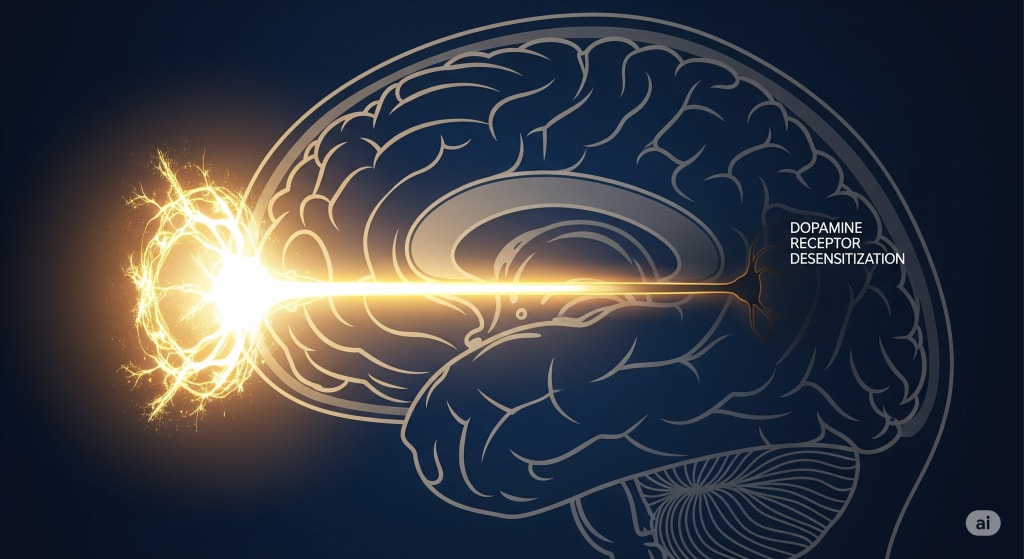
In the vast landscape of the internet, pornography has become a titan. Its websites attract more visitors than Netflix, Amazon, and Twitter combined, often dismissed as a harmless form of entertainment or a normal part of modern sexuality. But behind this veneer of normalcy, a growing body of scientific research reveals a much darker picture. While "pornography addiction" is not yet an official diagnosis in psychiatry's main diagnostic manual, the World Health Organization has recently added "Compulsive Sexual Behavior Disorder" to its own manual, a condition largely driven by problematic pornography use. This acknowledges a clinical reality: for many, pornography use evolves into a compulsive behavior with devastating consequences.
This report will journey into the science behind this phenomenon. We will explore how pornography can physically rewire the brain, witness the psychological toll it takes on confidence and mental health, examine the wreckage it can leave in our most intimate relationships, and, most importantly, provide a clear, evidence-based roadmap to recovery.
Part I: The Brain on Porn: Hijacking Our Reward System
To understand pornography's power, we must first understand the brain's reward system. This is not a story of moral failure, but one of neurobiology. The evidence shows that internet pornography acts on the brain in ways remarkably similar to addictive drugs, hijacking the very systems designed to ensure our survival.
The Dopamine Cycle: A Supernormal Stimulus
Deep in our brains lies a network called the mesolimbic pathway, often called the "reward center." It uses a chemical messenger, or neurotransmitter, called dopamine to motivate us toward behaviors essential for survival, like eating and procreating. When we do something rewarding, we get a small burst of dopamine that feels good and teaches us to do it again.
Internet pornography, however, is what scientists call a "supernormal stimulus." It provides an endless, on-demand flood of novel and intense sexual imagery, triggering a release of dopamine far greater and more sustained than any natural, real-life encounter could. This is the hijacking process: the brain's pleasure pathways, designed for natural rewards, are commandeered by an artificial source.
The brain is an adaptive organ and tries to protect itself from this constant overstimulation. It begins to down-regulate, or reduce, its number of dopamine receptors. This process, known as desensitization, means the user now needs more stimulation to feel the same level of pleasure. This is tolerance, a classic hallmark of addiction. Real-life intimacy with a partner, which provides a normal level of dopamine, begins to feel dull and uninteresting by comparison. This chemical tolerance drives the user to seek out more extreme, more novel, or even content they previously found disgusting, all in an effort to get the same "hit" they once did. One study found that nearly half of users had pursued content that they had previously considered uninteresting or repulsive.
This cycle reveals that addiction is more than a chemical chase; it is a form of disordered learning. The brain isn't just seeking pleasure; it's learning to associate certain cues—like boredom, stress, or opening a laptop—with an outsized reward. This strengthens the neural pathway until the behavior becomes automatic and compulsive. Over time, through a process called "perceptual learning," the brain can be conditioned to find specific and often unrealistic sexual scenarios arousing, creating deeply ingrained "arousal templates" that shape lifelong sexual tastes. This explains why recovery is not just about quitting, but about unlearning these powerful, conditioned responses.
Rewiring the Brain: Physical and Functional Damage
The changes caused by problematic pornography use are not just chemical; they are physical and functional. Using advanced imaging technology like MRI scans, researchers have observed measurable changes in the brains of heavy pornography users. Multiple studies show a direct link between the hours spent watching pornography and a reduction in gray matter volume in parts of the brain's reward system, such as the right caudate. Disturbingly, these are the same kinds of structural changes seen in the brains of individuals addicted to substances like cocaine.
This evidence points to a unified understanding of addiction. Whether the trigger is an external substance or an internal process like sex, the fundamental brain pathology appears to be the same. This reframes problematic pornography use not as a unique moral failing, but as a legitimate brain disorder that shares a common pathway with other recognized addictions. This understanding is crucial for destigmatizing the issue and validating the need for professional treatment.
Functionally, pornography use weakens the connection between the prefrontal cortex—the brain's CEO in charge of decision-making and impulse control—and the reward system. This condition is known as hypo frontality. Think of it as the brain's "braking system" becoming faulty. The "go" signal from the reward center is constantly on, while the "stop" signal from the prefrontal cortex is too weak to override it. This leads directly to the core symptoms of addiction: impulsivity, compulsivity, and impaired judgment.
Cognitive Fallout: Mental Fog and Poor Choices
The neurological damage has real-world consequences for cognitive function. In controlled studies, high-frequency pornography users perform worse on tests of mental focus and control, like the Stroop Color and Word Test. After viewing pornography, they show significantly longer reaction times and make more errors, indicating a temporary state of impaired cognitive function.
This weakened executive function also impairs decision-making. Individuals struggling with addiction consistently show a preference for small, immediate rewards over larger, long-term benefits. They have difficulty accurately perceiving the negative consequences of their actions, which explains why someone might continue a behavior that is actively destroying their career, relationships, and mental well-being. This constant overstimulation can also lead to mental fatigue, poor concentration, and a tendency to neglect important life responsibilities.
Part II: The Personal Toll: The Erosion of Confidence and Mental Health
The damage done by pornography extends from the brain to the mind, chipping away at an individual's sense of self. It often creates a vicious cycle where it is used to cope with negative feelings that it, in turn, makes worse.
The Confidence Killer: Body Image and Self-Esteem
Pornography does not depict reality. It presents a hyper-idealized world of surgically enhanced bodies and theatrical sexual performances, setting up a powerful and damaging dynamic of social comparison.
For men, studies show that high viewership is linked to increased body dissatisfaction, particularly concerning muscle mass, hair, and facial features. It creates an association between a specific, often unattainable body type and sexual worth, leading to lower self-esteem. For women, pornography can amplify existing insecurities about their bodies. They may feel intense pressure to look and perform like the actors they see on screen, fearing criticism or rejection from partners if they do not measure up. A 2020 report from the UK found that 29% of young people aged 11-17 felt bad about their bodies after seeing how people looked in pornography.
Beyond body image, the act of viewing pornography can generate intense feelings of guilt and shame, especially when it conflicts with a person's moral or religious values. This conflict directly erodes self-worth. This creates a destructive feedback loop, as low self-esteem is also a known risk factor for turning to pornography in the first place, using it as an escape from feelings of insecurity and loneliness.
The Spiral into Isolation: Anxiety, Depression, and Loneliness
The link between problematic pornography use and mental health issues like depression and anxiety is strong and bidirectional. People struggling with these conditions are more likely to develop a behavioral addiction, often turning to pornography to temporarily numb or escape their emotional pain. During the COVID-19 pandemic, "porn" and "depression" were two of the most-searched topics online, highlighting this powerful connection.
However, this coping mechanism ultimately fails. The dopamine crash that follows a viewing session can intensify feelings of depression. The time spent online and the secrecy required to maintain the habit increase social isolation and feelings of loneliness. This reveals a deeper truth: problematic pornography use is often a disorder of intimacy. It is a flawed and ultimately futile attempt to fill a void of genuine human connection. It offers the illusion of intimacy without the risks of real vulnerability, but it cannot satisfy the fundamental human need to be known and loved. The user is left feeling more alone than before. The ultimate path to recovery, therefore, is not just about stopping a behavior, but about building a life and relationships that one does not need to escape from.
Part III: The Relational Wreckage: How Pornography Destroys Intimacy
Perhaps the most visible damage caused by problematic pornography use occurs within romantic relationships. It acts like a corrosive agent, dissolving the essential elements of a healthy partnership: trust, realistic expectations, and emotional connection.
The Fantasy Trap: Unrealistic Expectations and Real-World Disappointment
Pornography is not a sex education tool; it is scripted entertainment. It teaches viewers unrealistic "sexual scripts" about what sex should look like, how partners should behave, and what is considered normal. When these fantasy-based expectations are brought into a real relationship, disappointment is inevitable. Users report being less satisfied with their partner's appearance and sexual performance. Their partners, in turn, often feel inadequate, objectified, and pressured to perform acts they may find uncomfortable.
This psychological disconnect can have physical consequences. As the user's brain becomes desensitized to normal sexual stimuli, they may experience decreased arousal with their real-life partner. This is a primary driver behind the alarming rise in cases of pornography-induced erectile dysfunction (PIED) and low sexual desire, even in men under 40.
The Great Disconnect: The Loss of Emotional and Physical Intimacy
Secrecy is the enemy of intimacy. In many relationships, the act of hiding pornography use is even more damaging than the use itself. When a partner discovers the secret, they often experience profound feelings of betrayal, deception, and emotional abandonment, which can shatter the relationship's foundation of trust.
Problematic pornography use is consistently linked to lower relationship satisfaction, decreased commitment, and increased emotional detachment. It encourages the user to emotionally withdraw from their partner, replacing a shared, connected experience with a solo, self-gratifying one. The impact on the partner can be devastating, leading to feelings of inadequacy, insecurity, and being objectified. This experience is so profound that experts are increasingly recognizing it as a form of psychological injury known as "betrayal trauma".
The data is stark: dozens of studies show that higher pornography use is correlated with poorer communication, higher rates of infidelity, and double the likelihood of divorce or breakup. The negative impact is especially severe when there is a significant difference—or dissimilarity—in use or attitudes between partners. Research shows that the greatest harm to relationship satisfaction occurs when one partner engages in solitary use while the other uses little or none. The damage stems from this imbalance and the secrecy it creates.
Part IV: The Path Forward: Reclaiming Your Brain, Life, and Relationships
While the effects of problematic pornography use are severe, they are not permanent. The same brain adaptability, or neuroplasticity, that creates the addiction also makes recovery possible. Healing is a journey that requires addressing the brain, the mind, and one's environment.
Step 1: Acknowledging the Issue and Understanding Withdrawal
The first and most critical step is breaking through denial and acknowledging that the behavior is causing harm. As you stop using pornography, the brain begins to repair itself. This re-calibration process often involves withdrawal symptoms, which can include irritability, anxiety, fatigue, sleep disturbances, and intense cravings. Understanding that these are temporary physiological signs of healing is crucial for staying the course.
Step 2: Rewiring Your Brain with Evidence-Based Therapy
Willpower alone is often not enough to overcome the deep neural pathways created by addiction. Professional therapy provides the tools to rewire the brain.
Cognitive Behavioral Therapy (CBT): Considered a gold-standard treatment for addiction, CBT is a practical, goal-oriented approach that helps you identify the triggers (like stress or boredom) that lead to use, challenge the distorted thoughts that justify the behavior, and develop healthier coping skills to manage those triggers effectively.
Mindfulness and Self-Compassion: Mindfulness teaches you to observe your thoughts, feelings, and cravings without judgment and without acting on them. Through practices like mindful breathing, you learn that urges are temporary and will pass, which robs them of their power. These therapies also emphasize self-compassion, which is vital for healing the deep-seated shame that fuels the addiction cycle. It involves learning to treat yourself with the kindness you would offer a friend in pain.
Step 3: Building a Fortress of Support
Isolation fuels addiction, but connection heals it. Admitting you need help is a sign of strength, not weakness.
Professional Help: Licensed therapists, especially those certified in treating compulsive sexual behaviors, can provide essential guidance and accountability.
Peer Support Groups: These groups are powerful tools for breaking the cycle of shame and isolation. They connect you with others who understand the struggle and can offer hope, accountability, and practical advice in a safe, non-judgmental environment.
Step 4: Practical Strategies for a New Life
Recovery also involves making tangible changes to your daily life.
Control Your Environment: Install accountability software on your devices, set clear boundaries around technology use (like keeping screens out of the bedroom), and remove easy access to triggers.
Develop Healthy Alternatives: Actively build a life that is fulfilling. Engage in hobbies, exercise, and meaningful activities that provide a natural sense of pleasure and accomplishment.
Rebuild Relationships: If you are in a partnership, recovery must include a commitment to open, honest communication to slowly rebuild trust. This is a long and often difficult process that may require the help of a qualified couples therapist.
Conclusion
The evidence is clear: far from being harmless, problematic pornography use can act as a supernormal stimulus that rewires the brain's reward system, leading to cognitive impairment, psychological distress, and profound relational damage. It is a behavior that promises connection but delivers only isolation.
Yet, the central message of this science is one of hope. The brain's remarkable ability to change, which allows addiction to take hold, is the very same mechanism that powers recovery. Healing is possible. By understanding the biological and psychological forces at play, and by leveraging evidence-based strategies like therapy, mindfulness, and community support, it is possible to break free. Taking the first step to seek help is not an admission of failure, but a courageous act of reclaiming your health, your confidence, and your capacity for genuine, lasting connection.
About the Creator
Keep reading
More stories from Kaleem Ullah and writers in Psyche and other communities.
The Tangled Web Within: How Lying Punishes the Liar and Fractures Trust
Lying. It's a behavior as old as humanity itself, woven into the fabric of our social interactions with varying degrees of severity. From the small white lie intended to spare feelings to the elaborate deception designed for personal gain, falsehoods permeate our daily lives. Yet, while the focus often lies on the victim of deceit, a profound and often overlooked consequence unfolds within the liar themselves. The act of lying sets in motion a cascade of internal punishments that erode self-worth, breed anxiety, and ultimately fracture the very foundations of trust upon which healthy relationships and societies are built. Understanding this intricate web of internal and external repercussions is crucial, not only for fostering personal integrity but also for cultivating a more honest and reliable world.
By Kaleem Ullah7 months ago in Psyche
So You Decided To Become a Nurse Practitioner:
So you decided to become an "Advanced Practice" nurse. Congratulations!... is what I would say if this was a good idea. Grad school? In this economy? What were you thinking? Likely it was something along the lines of either 1) “I've seen these other chucklefucks do it— Why can't I?” or even 2) “I've got a nice career, I should shake it up. I miss feeling like I have no clue what I'm doing.”
By Sandor Szabo3 days ago in Fiction



Comments
There are no comments for this story
Be the first to respond and start the conversation.