support
A solid support system is invaluable for one's recovery from psychiatric illness and mental health issues.
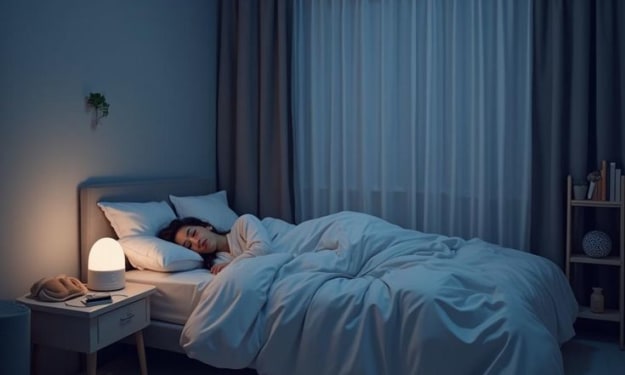
Quality Sleep: A Cornerstone of Health and Well-being
Sleep is a fundamental pillar of health and well-being, often overlooked in our fast-paced, modern lives. While food and exercise are widely recognized as essential components of a healthy lifestyle, quality sleep is equally vital. It is during sleep that our bodies repair, rejuvenate, and prepare for the challenges of the day ahead. However, the importance of sleep extends beyond mere physical recovery—it is deeply intertwined with mental, emotional, and cognitive health.
By Aishat Oyinkansolaabout a year ago in Psyche
Supported Disability Accommodation (SDA) Explained: A Guide to Understanding Your Options
For individuals with high support needs, finding a suitable living environment can be a crucial step toward independence and enhanced quality of life. Supported Disability Accommodation (SDA) under the National Disability Insurance Scheme (NDIS) provides housing solutions specifically designed for people with extreme functional impairment or high support needs. If you or a loved one is exploring SDA, this guide offers a comprehensive look at what SDA entails, eligibility criteria, and how it can help improve daily life.
By NDMHS : NDIS Provider Sydneyabout a year ago in Psyche
How to Determine if You’re Eligible for SDA Under the NDIS
Specialist Disability Accommodation (SDA) is a critical support under the NDIS (National Disability Insurance Scheme) for individuals with extreme functional impairments or very high support needs. SDA provides funding for specially designed housing that enables participants to live more independently and access necessary supports. To determine if you are eligible for SDA, it is essential to work closely with an NDIS coordinator and an NDIS support provider who can guide you through the process.
By NDMHS : NDIS Provider Sydneyabout a year ago in Psyche
The Rise of Male Loneliness: A Growing Concern in Modern Society
In the fast-paced, digital age, male loneliness has emerged as a pressing issue with profound societal and personal implications. While loneliness is a universal experience, its manifestations among men reveal unique challenges, shaped by cultural norms, shifting social landscapes, and evolving lifestyles.
By Abdelmounim Touilebabout a year ago in Psyche
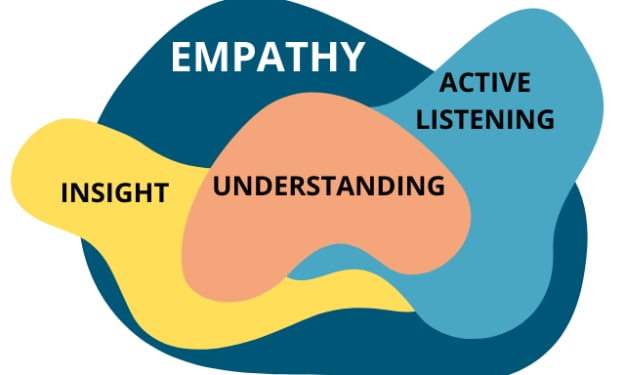
COMPASSION AND SOCIAL BONDS
Compassion, the capacity to comprehend and discuss the thoughts of another, assumes a principal part in the development and upkeep of social bonds. It is a fundamental part of human association, encouraging collaboration, sympathy, and shared understanding. Whether in private connections, proficient conditions, or more extensive cultural settings, sympathy helps overcome any barrier between people, empowering them to associate on a profound level. Through sympathy, people can areas of strength for foster, interpersonal organizations that add to profound prosperity and aggregate concordance.
By Badhan Senabout a year ago in Psyche
Comparing the Psychological Profiles of Two Villain's Mothers
My fans (readers of my online writing) know that I enjoy the comic book inspired movies and shows put out by DC and Marvel. I was making a joke today about how Superman can not be true to the comic book scripts about him anymore because the modern setting just doesn't allow him to be the Superman we all know and love from the comic books. No payphones? Yeah, Superman is done. However, Batman and The Xmen can still do lots of stuff in the modern world even if their comic books were written long ago. Though I haven't written a review yet on the great recent release of "Deadpool and Wolverine" I do want to discuss what I've been noticing about the Max show "Penguin" and the Todd Phillips film "Joker". Both depictions (of Arthur and of Oz) show us very profound characters (their mothers) who were a significant piece of the psychological mystery of villain development. I would like to share my analysis as I profile both Arthur's mother and Oz's mother in comparative form.
By Shanon Angermeyer Normanabout a year ago in Psyche