depression
It is not just a matter of feeling sad; discover an honest view of the mental, emotional and physical toll of clinical depression.
What is Depression?
What Is Depression? Depression is more than just feeling sad or having a rough day. It’s a mental health condition that can affect every part of your life your mood, thoughts, energy, and even your physical health. It’s not something you can just “snap out of,” and it’s not a sign of weakness. Understanding depression can help those experiencing it feel less alone and encourage them to seek the support they deserve.
By Sophia Allenabout a year ago in Psyche
Hope’s Shadow
Have you ever come across a quote that just stuck with you? Maybe it was relatable, a helpful reminder, or a source of inspiration or validation. Whatever the reason, it left an impact, making you pause and reflect—no small feat in a world full of distractions.
By Annie Edwards about a year ago in Psyche
Selfie Clarity
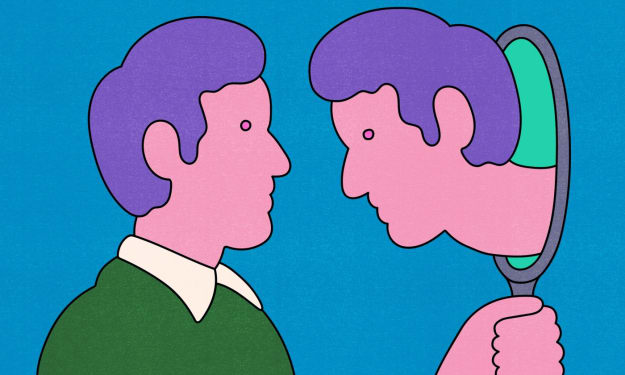
Self-awareness is often hailed as the key to personal growth, better relationships, and overall happiness. It's the ability to see and understand ourselves clearly: recognizing our strengths, weaknesses, thoughts, and emotions. Despite its importance, many of us struggle to develop this valuable trait. It’s easy to go through life on autopilot, reacting to situations without ever pausing to reflect on our feelings or motivations.
By Horace Waslandabout a year ago in Psyche
Seen and Unseen Pain causes different reactions
Has anyone ever asked you what you're afraid of? I've been asked, and I've seen people ask that question of others in movies. I don't usually ask that question, because I figure if they wanted to deal with it, they'd start that conversation without my provocation. I don't like to pry. I think about fears more than I probably should and I think that's because a large portion of Generation X would wear t-shirts that read "No Fear" or put that bumper sticker on their POS cars. That's not me. I have plenty of fears. I'm not a hypochondriac and some have even called me "brave" for the ability to address a fear and face it sometimes. After having done that many times, I realized that though I could face a fear, maybe even conquer it to some degree (like my fear of heights doesn't stop me from going up in an airplane or up to the top floor of a skyscraper), fear remains a part of me. People do not respect fear. They respect courage. Yet I've witnessed more foolishness and dangerous behavior occur in the name of courage, not fear. So my conclusion is this: lovers and seekers of wisdom have a healthy relationship and respect for fear. Fear as a personality is the first to mention "danger" and knowing that something is "dangerous" is a key to wisdom.
By Shanon Angermeyer Normanabout a year ago in Psyche
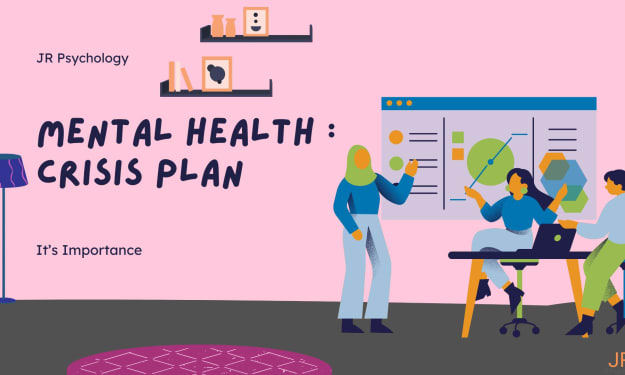
Importance Of Mental Health Crisis Plan. AI-Generated.
Introduction In today’s fast-paced world, mental health challenges such as anxiety, depression, and addiction have become increasingly prevalent. These struggles can escalate into crises that leave individuals and their loved ones feeling overwhelmed and unsure of how to proceed.
By Jayson Romabout a year ago in Psyche
Rubedo Coast. Top Story - December 2024.
A dark coast of amber waves, a wriggling field of moon-suffused wine, licked my toes like an entity desperate for the taste of someone else’s salt. Water split across my tendons like a sigh, and my heels sank with a soft pull. Rough, living bodies recoiled when I flexed either arch. Sand crumbled and fell—a victim of physics I don’t need to understand.
By Cody Ray George (Author)about a year ago in Psyche