
Schizophrenia and Dissociation: Understanding the Mysteries of the Mind
Demystifying these disorders is crucial, not just for those who suffer but for society at large, moving us toward a more informed and supportive world.

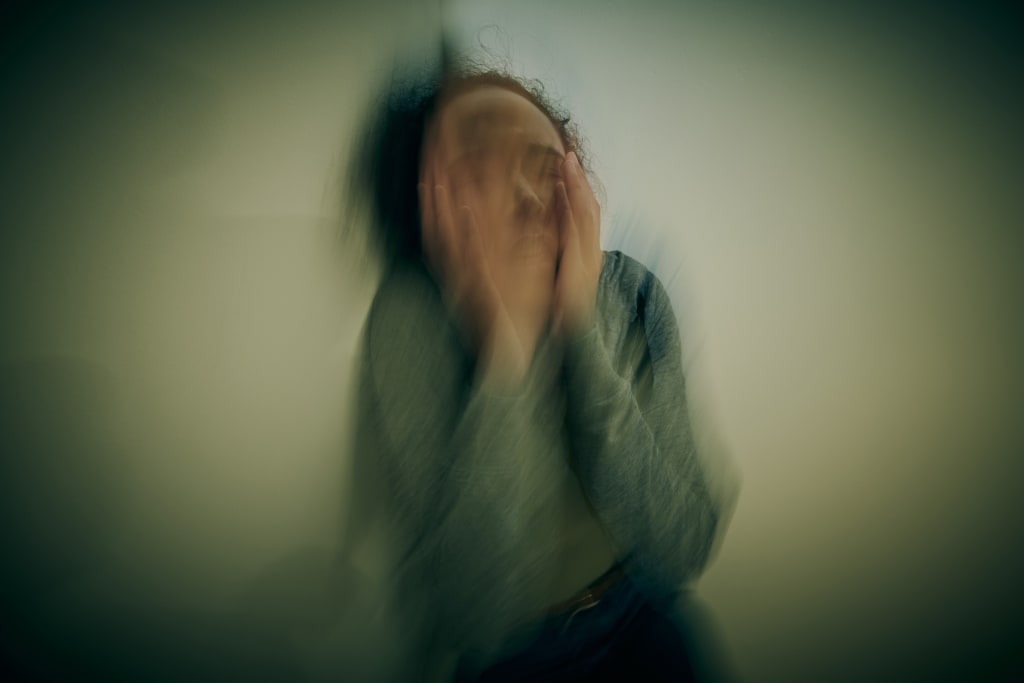
Schizophrenia is perhaps the most stigmatized and misunderstood mental illness. Even among psychologists, it carries an aura of confusion and fear, exacerbated by media portrayals and misconceptions. Contrary to popular belief, schizophrenia has nothing to do with a split personality. Instead, it refers to a profound disconnection from reality, marked by symptoms that challenge a person’s ability to function.
The condition affects about 1% of the population, typically surfacing in men during their early to mid-20s and in women in their late 20s. It is not triggered by a single event but may be activated by stress or trauma, highlighting its complex origins. The modern understanding of schizophrenia places it within a spectrum of disorders, emphasizing that it manifests differently from person to person, but all share core characteristics such as disorganized thinking, delusions, and hallucinations.
Delusions are false beliefs that defy reality. They can range from grandiose claims—“I am the Queen of England”—to paranoia, where one might believe they are being watched or controlled. Such symptoms are distressing, often isolating the individual from others. Hallucinations, particularly auditory ones, are also common. Imagine hearing a voice berating you, as if someone outside your mind were speaking. This can lead to a terrifying blur between reality and illusion.
The disorder’s impact is not limited to perceptions alone. Disorganized symptoms include fragmented speech and thoughts, sometimes so severe that communication becomes nonsensical, a phenomenon known as “word salad.” Additionally, individuals may show emotional incongruence, laughing during tragic moments or appearing agitated without clear reason. Such behavior can make it difficult for others to empathize, reinforcing stigma.
The origins of schizophrenia involve both genetics and environmental factors. The “diathesis-stress model” posits that a genetic predisposition combined with environmental stressors increases the risk of developing the disorder. For instance, if a person has a parent or sibling with schizophrenia, their risk jumps to about 10%, compared to 1% in the general population. Recent research has even identified over 100 genes linked to schizophrenia, some related to dopamine regulation and others to immune system functions.
Neuroimaging has revealed further insight into the condition. Studies show abnormal brain activity in areas such as the thalamus, which processes sensory information, and the amygdala, linked to fear. These findings suggest that the brain’s wiring and communication can be disrupted in ways that manifest as psychotic symptoms.
But schizophrenia is only one part of the puzzle. Dissociative disorders, often mistaken for it, introduce another layer of complexity. These disorders involve a break in consciousness, leading to altered identity or memory. Dissociative Identity Disorder (DID), formerly known as Multiple Personality Disorder, is the most dramatic form, where distinct personalities emerge, each with unique traits and memories. The famous case of Shirley Mason, chronicled in the book “Sybil,” brought DID to the public eye, but it was later revealed that the story was fabricated, causing confusion and skepticism.
Despite the doubts, dissociative disorders are real and can be triggered by severe trauma. Symptoms range from the mild, such as spacing out during a routine task, to the severe, involving identity fragmentation. The brain shows distinct states for each identity, with phenomena like hand dominance shifts or variations in visual acuity, hinting at a physical basis for the disorder.
Both schizophrenia and dissociative disorders reveal the mind’s extraordinary capacity for complexity and breakdown. While the symptoms can be daunting, understanding these conditions helps dispel fear and foster empathy. It reminds us that mental disorders are not punishments but aspects of human experience that deserve compassion and research. Demystifying these disorders is crucial, not just for those who suffer but for society at large, moving us toward a more informed and supportive world.
About the Creator
Izzy
Exploring digital marketing, AI trends, and the future of social media to help businesses grow. From AI-driven marketing to decentralized platforms, I break down what’s next. (Oh, and I occasionally dive into mind-bending sci-fi too!)
Center Stage with Paul Stewart
*** I'm keen to republish the interviews I did for my series with Vocal creators. It's been a few years and I thought it might be nice to revisit these wonderful conversations. I'll be releasing them one at a time for a few weeks/months.
By Heather Hubler3 days ago in Interview



Comments
There are no comments for this story
Be the first to respond and start the conversation.