
Crying Is for Girls: How Brown Boys Are Taught to Shut Down Emotion
What happens when the society teaches boys to suppress their feelings, and how that silence shapes the rest of us, too.

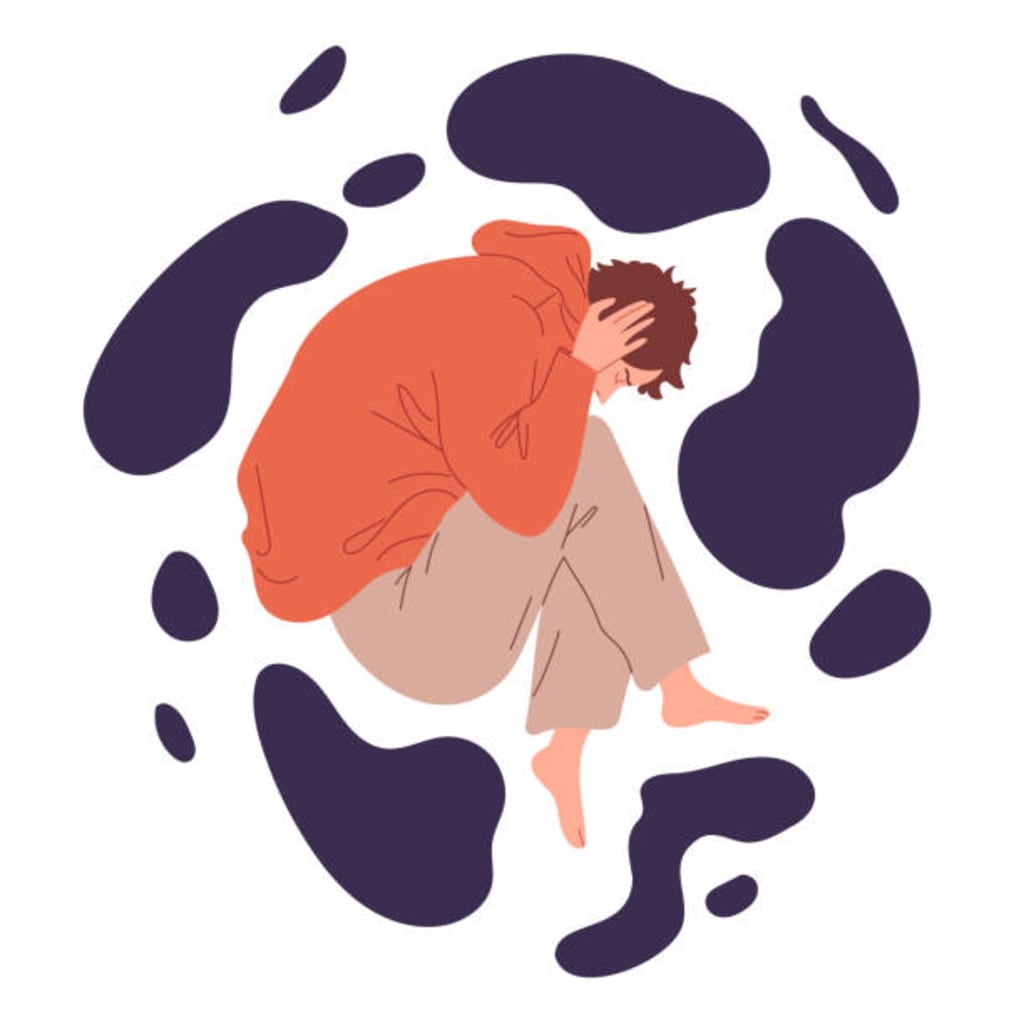
If you’re a brown kid, you’ve probably heard it.
“Don’t cry. Be strong.” “Stop acting like a girl.” “Boys don’t cry.”
It’s subtle, but constant. The message is clear: vulnerability is weakness, and weakness is not for men. Especially not brown men.
In a lot of South Asian households, strength is mistaken for silence. Boys are taught to toughen up, hold it in, and never let their guard down. Emotional expression — crying, talking about sadness, admitting fear — is treated like a threat to their masculinity. Fathers never cry. Brothers never apologise. Uncles change the subject.
At first glance, it might look like resilience. But look closer, and it’s clear: it’s not strength. It’s emotional repression. And it doesn’t just affect boys. That silence spreads.
When Boys Repress, So Do We
I saw it all around me growing up.
I’ve seen my cousins told not to cry even when they were clearly hurting. I’ve seen my dad suppress every emotion except anger — bottling everything up until it exploded in frustration or silence.
And as the eldest daughter in the house, I copied him without realising it. I thought I was being “mature” too. When I was a preteen, I started holding in my crying. I’d blink back tears and pretend to be okay, thinking that made me stronger.
But the truth is, I was constantly stressed, like my body was always carrying something heavy. I’d feel anxious, overwhelmed, and exhausted, but I wouldn’t let myself release it.
Because crying, to me, felt wrong. It felt like failure. Weakness.
Even now, I still hold my tears in until I physically can’t anymore. Then I finally break down and cry — and yes, I usually feel lighter afterwards. My chest doesn’t feel as tight. I don’t feel like I’m carrying a burden the next day. But I still don’t like the experience. I don’t enjoy crying. It makes me feel exposed and messy. And even though I know it’s healing, I still resist it. It’s like unlearning a habit I picked up from watching my dad.
What This Does to Brown Boys
When brown boys are taught to shut down their feelings, they grow into men who don’t know how to express them.
They struggle in relationships. They bottle up stress and pain. They deal with mental health issues in silence — not because they don’t feel anything, but because they were never taught how to name what they’re feeling, let alone talk about it.
And the only emotion they’re often allowed to show? Anger.
Not sadness. Not fear. Not hurt. Just anger. Because that still looks like “control.” But it’s not. It’s just another mask.
This silence doesn’t stay contained. It spills over into the rest of the family — partners, siblings, kids — who are left trying to connect with someone who’s been trained to shut down.
And the worst part? Many of them genuinely want to open up. But the words don’t come. The permission was never given.
So What Now?
There’s no perfect ending here. No three-step fix.
But maybe it starts with letting ourselves feel — and letting the brown boys around us feel too.
Maybe it looks like telling your little brother, “It’s okay to cry.”
Maybe it means noticing when your dad looks sad.
Maybe it’s letting yourself cry without apology, even if you don’t like it.
You don’t have to love vulnerability. I don’t. But you should be allowed to feel without shame.
Because silence doesn’t make you strong. It just makes you alone.
And honestly, I’m learning I don’t want to carry that weight anymore — not for myself, and not for anyone else either.
About the Creator
Tavleen Kaur
🧠 Psychology student decoding the human brain one blog at a time.
🎭 Into overthinking, under-sleeping, and asking “but why though?” way too often.
✨ Writing about healing, identity, and emotion
Keep reading
More stories from Tavleen Kaur and writers in Psyche and other communities.
Watch Out Wednesdays - 1/14/26 (Opinion)
We are now in the second week of 2026. Even though we are only in the first fourteen days of this year, so much has happened in America and throughout the world that would normally take up about 6 months of news. Events are accelerating to an all-time high.
By Adrian Holman6 days ago in Psyche


Comments
There are no comments for this story
Be the first to respond and start the conversation.