
Adenovirus on the Rise: What You Need to Know About the Silent Virus Spreading Fast
Health experts explain symptoms, risks for children, and how to protect your family

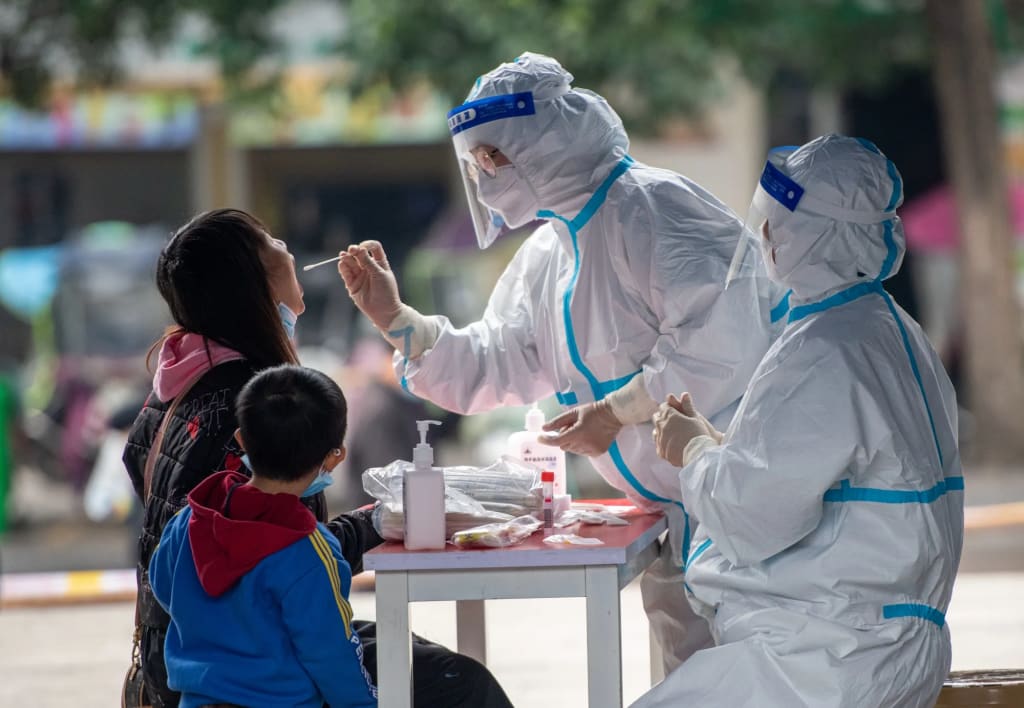
Why Doctors Are Warning About Adenovirus Infections
Adenovirus is not a new virus, but lately it has been gaining renewed attention from doctors, parents, and public health experts. Reports of rising adenovirus infections—especially among children—have raised concerns worldwide. While many people think of it as just another cold virus, adenovirus can sometimes cause serious illness if ignored.
Understanding what adenovirus is, how it spreads, and how to protect yourself can make a real difference.
Adenovirus refers to a group of viruses that commonly infect the respiratory system, eyes, digestive tract, and urinary system. It can affect people of all ages, but children under the age of 10 are the most vulnerable. In many cases, symptoms are mild, but some infections can become severe, particularly in people with weak immune systems.
Common Symptoms of Adenovirus
Adenovirus symptoms can look very similar to the flu or a common cold, which makes it easy to overlook. The most common signs include fever, sore throat, cough, runny nose, and congestion. Some people may also experience pink eye (conjunctivitis), diarrhea, vomiting, or stomach pain.
In more serious cases, adenovirus can lead to bronchitis, pneumonia, or severe eye infections. Doctors have also linked certain adenovirus strains to rare cases of liver inflammation in children, which is why health officials are closely monitoring outbreaks.
If symptoms last longer than usual or worsen quickly, medical attention is strongly recommended.
How Adenovirus Spreads So Easily
One of the main reasons adenovirus is spreading quickly is its ability to survive on surfaces for long periods. The virus spreads through close personal contact, coughing or sneezing, touching contaminated objects, and even through water, such as poorly treated swimming pools.
Children are especially at risk in schools, daycare centers, and playgrounds where hygiene can be difficult to control. Unlike some viruses, adenovirus does not always disappear quickly and can remain contagious even after symptoms improve.
This makes prevention extremely important.
Why Children Are More at Risk
Doctors say adenovirus infections are more common in children because their immune systems are still developing. Young children are also more likely to touch their faces, share toys, and forget to wash their hands properly.
While most children recover without complications, some may develop severe respiratory illness that requires hospitalization. Parents should watch closely for high fever, breathing difficulty, dehydration, or extreme fatigue.
Early medical care can prevent complications and speed up recovery.
Treatment and Recovery
There is no specific antiviral medication for adenovirus in most cases. Treatment usually focuses on relieving symptoms. Doctors may recommend rest, fluids, fever reducers, and pain relief. Antibiotics do not work against viruses, so they are not used unless a bacterial infection is also present.
In severe cases, especially for hospitalized patients or those with weakened immune systems, doctors may use specialized treatments under medical supervision.
The good news is that most healthy people recover fully within one to two weeks.
How to Protect Yourself and Your Family
Preventing adenovirus infection starts with good hygiene. Washing hands frequently with soap and water is one of the most effective ways to stop the spread. Avoid touching your face with unwashed hands, and disinfect commonly touched surfaces like doorknobs and phones.
Parents should keep sick children at home and avoid sending them to school until they recover. Avoid sharing personal items such as towels, cups, and utensils. Swimming only in properly maintained pools also reduces risk.
Simple habits can significantly lower your chances of infection.
Final Thoughts
Adenovirus may sound harmless, but it should not be ignored. While many cases are mild, the virus can cause serious illness, especially in children and vulnerable individuals. Staying informed, recognizing symptoms early, and practicing basic hygiene are the best defenses.
As health experts continue to monitor outbreaks, awareness remains the key to staying safe.
About the Creator
Waqar Khan
Passionate storyteller sharing life, travel & culture. Building smiles, insights, and real connections—one story at a time. 🌍
Every read means the world—thanks for your support! 💬🖋️
Keep reading
More stories from Waqar Khan and writers in Psyche and other communities.
Super-Flu on the Rise: What the New H3N2 Wave Means for You and Your Family
This winter, health officials around the world are watching a faster-spreading influenza A(H3N2) variant — often called subclade K — that’s driving earlier and sharper spikes in flu cases in several countries. The technical name matters because this specific H3N2 evolution is less well matched to some vaccines and has shown rapid spread in recent months. Public health agencies say the good news is there’s no clear evidence yet the virus causes more severe illness per case, but the combination of high spread + imperfect vaccine match can still mean more hospitalizations overall.
By Waqar Khanabout a month ago in Psyche
Watch Out Wednesdays - 1/14/26 (Opinion)
We are now in the second week of 2026. Even though we are only in the first fourteen days of this year, so much has happened in America and throughout the world that would normally take up about 6 months of news. Events are accelerating to an all-time high.
By Adrian Holman4 days ago in Psyche



Comments
There are no comments for this story
Be the first to respond and start the conversation.