
Super-Flu on the Rise: What the New H3N2 Wave Means for You and Your Family
A clear, practical guide to the fast-spreading H3N2 “subclade K” — the stats, the risks, and simple steps to stay safer this season.

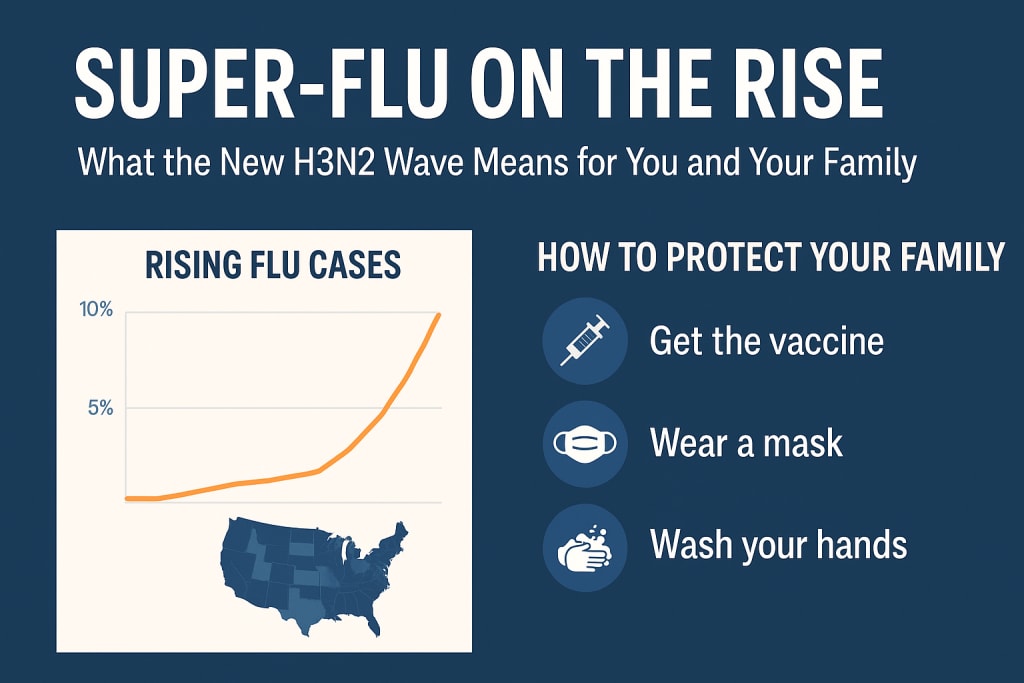
This winter, health officials around the world are watching a faster-spreading influenza A(H3N2) variant — often called subclade K — that’s driving earlier and sharper spikes in flu cases in several countries. The technical name matters because this specific H3N2 evolution is less well matched to some vaccines and has shown rapid spread in recent months. Public health agencies say the good news is there’s no clear evidence yet the virus causes more severe illness per case, but the combination of high spread + imperfect vaccine match can still mean more hospitalizations overall.
What you need to know (quick facts)
Influenza activity is increasing nationally in the U.S. and some regions are already reporting high activity; the CDC’s Week-49 surveillance shows a steady rise in positivity and outpatient visits for respiratory illness.
The World Health Organization has tracked a rapid global increase in the A(H3N2) J.2.4.1 (subclade K) viruses since August 2025; genetic changes explain why it spreads well even where prior immunity exists.
Several countries — including the U.K., parts of Europe, and pockets of the U.S. — are reporting earlier and sharper surges than last year, prompting warnings about a potentially difficult peak season.
Why this matters: when a strain spreads faster, even if any one infection isn’t more severe, total cases grow — which can overload hospitals, put older adults and infants at higher risk, and create workplace and school disruptions.
How to protect yourself and your family (practical tips)
1. Get the vaccine — even now. The flu shot remains the best tool to reduce hospitalizations and severe outcomes, especially for children, pregnant people, older adults, and anyone with chronic health conditions. Even if match isn’t perfect, vaccination still cuts the risk of severe disease.
2. Layer simple protections. Stay home if sick, cover coughs, wash hands often, and use high-quality masks in crowded indoor spaces during peaks. These reduce transmission of flu and other respiratory viruses.
3. Protect the vulnerable early. If you live with infants, older adults, or immunocompromised people, prioritize vaccination for household members and consider limiting high-risk exposures when cases spike.
4. Know when to seek care. Severe symptoms — difficulty breathing, persistent high fever, confusion, or dehydration — require immediate medical attention. Antiviral medicines (like oseltamivir) work best if started early; contact your health provider quickly if someone at risk becomes ill.
5. Keep supplies and plans ready. Have masks, rapid tests (if available), thermometers, and a plan for who watches children or works from home if households are hit.
Why This Flu Season Feels Different
One reason experts are paying close attention to this flu season is timing. Flu activity is rising earlier than usual, catching many families off guard. Schools, offices, and public spaces create perfect conditions for fast transmission, especially when immunity has faded or vaccination rates are lower. Another concern is “flu fatigue.” After years of COVID precautions, many people are less cautious about masks, hand hygiene, and staying home when sick. This behavioral shift gives aggressive flu strains more room to spread.
Doctors also warn that flu complications don’t only affect older adults. Healthy young people can still experience severe symptoms, long recovery times, or secondary infections like pneumonia. That’s why prevention matters at every age. Simple actions—like improving indoor ventilation, avoiding close contact when symptoms appear, and boosting immunity through rest and nutrition—can significantly reduce risk. Staying informed, prepared, and proactive can make the difference between a manageable illness and a dangerous outcome this winter.
Spread This With Others 💙
Flu cases are rising fast, and awareness can save lives. If this article helped you understand the risks of the new super-flu wave, please share it with your friends, family, coworkers, and community. A simple share could help someone recognize symptoms early, take precautions, or protect a loved one this season.
Click Share, start a conversation, and help spread facts—not fear. Staying informed is the first step to staying safe.
About the Creator
Waqar Khan
Passionate storyteller sharing life, travel & culture. Building smiles, insights, and real connections—one story at a time. 🌍
Every read means the world—thanks for your support! 💬🖋️
Keep reading
More stories from Waqar Khan and writers in Psyche and other communities.
Man Dies After Eating Broccoli Sandwich – Urgent Botulism Food Safety Alert
When you think of dangerous foods, broccoli probably isn’t the first thing that comes to mind. But a recent tragedy in Italy has left health officials warning the public that even common, healthy foods can pose a deadly risk if contaminated.
By Waqar Khan5 months ago in Psyche
When Faith and Feelings Collide: Christian Counselling, Doubt, Anxiety, and Inner Conflict
For many people of faith, emotional struggle does not arrive neatly packaged or easy to explain. Anxiety may surface during prayer. Doubt may appear alongside deep belief. Inner conflict may sit quietly beneath outward strength. These experiences are common, yet they are rarely spoken about openly, particularly within Christian spaces where resilience and trust are often emphasized. Christian Counselling sits in the space between belief and emotional reality, offering room for both faith and feeling to exist side by side without judgement.
By Rochelle Martinez5 days ago in Psyche
Miss Persephone's Manual to a Seemingly Ordinary Life
Miss Persephone was found at the dining table, her blue eyes swollen, her tears arriving and retreating like the tides of the ocean. Earlier that day, her family had visited her in the retirement home where she had lived for eight years. It was her eightieth birthday.
By Imola Tóth4 days ago in Fiction


Comments
There are no comments for this story
Be the first to respond and start the conversation.