
What are the disadvantages of a dog harness?
Every dog owner, at some point, finds themselves deep in the rabbit hole of the harness vs. collar debate. It's like Coke vs. Pepsi, except the stakes are your dog's neck health and your sanity during a walk. Harnesses are often celebrated as the gentle, humane option—but before you toss all your collars into the donation pile, let me take you on a slightly humorous, completely honest, and well-experienced look into the real deal with dog harnesses.
Why Harnesses Became the Darling of Dog Gear
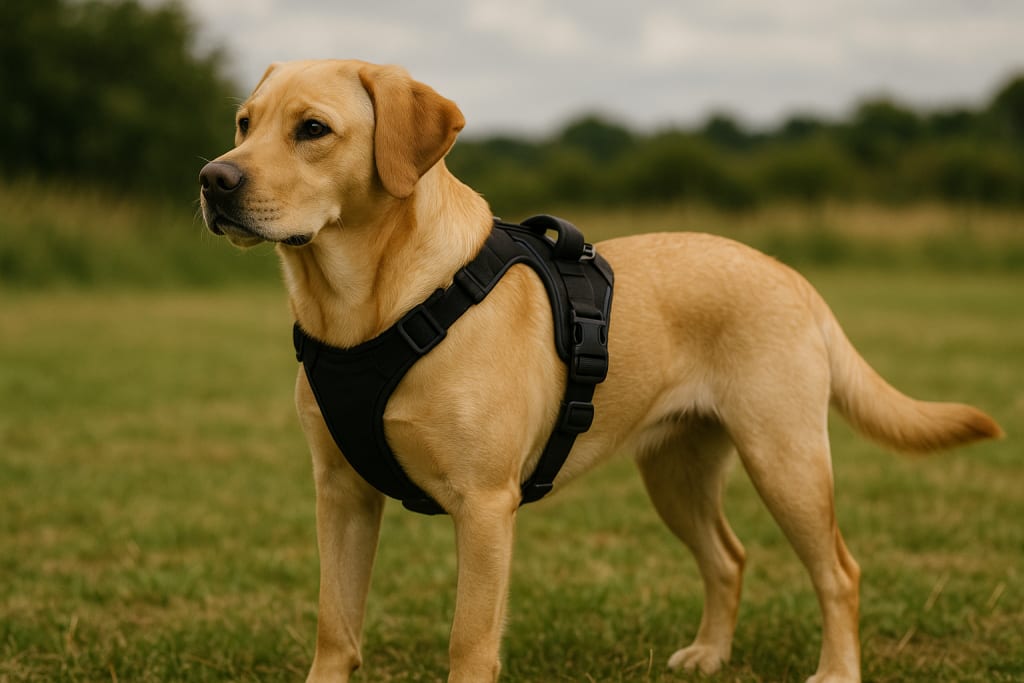
Harnesses got their good-boy reputation for one reason: they protect the neck. That’s a big deal, especially if your dog pulls on leash like they’re auditioning for a sled team. With collars, repeated pressure on the neck can lead to throat injuries, spine misalignment, or even eye issues (yes, really). Harnesses, especially front-clip versions, were created to reduce this kind of damage.
But let’s not romanticize them too fast.
The Flip Side: Real Problems With Harnesses
1. Not Every Dog Finds Harnesses Comfortable
This isn’t about your dog being dramatic (okay, maybe a little). Long-haired breeds like Huskies, Samoyeds, or even your neighbor's fluffy Collie may find harnesses irritating. Fur gets caught, skin gets chafed, and before you know it, your dog’s scratching like they owe fleas money.
Even short-haired dogs can act like you've strapped a parachute to their back. Some dogs just don’t vibe with the body-hugging sensation. And sure, they might “get used to it,” but for others, it’s like expecting a cat to enjoy bath time. Ain’t happening.
Trainer Tip: Introduce the harness slowly. Let them sniff it. Reward when they wear it, even for a minute. Don’t rush the trust.
2. Fitting a Harness Is Like Buying Jeans Online
Harness sizing charts lie more than real estate agents. Some harnesses claim to fit a 30-lb dog with a “medium” tag, but your barrel-chested Bulldog says otherwise.
Every dog has a different build. You’ve got deep-chested Dobermans, lanky Whippets, and potato-shaped Pugs. Getting a good fit isn't just about measuring your dog once—it’s about testing different brands, adjusting straps, and yes, sometimes returning gear after one awkward walk.
My advice: Buy in person if you can. Test multiple adjustment points. Avoid harnesses with just one or two straps—your dog deserves a tailored fit.
3. It Might Change How Your Dog Moves
Here’s the nerdy part. Some research says harnesses can mess with a dog’s gait, restricting shoulder movement or throwing off their natural rhythm. Other studies say harnesses are fine.
As a guy who's worked with hundreds of breeds, I’ll say this: it depends. If a harness sits too high on the shoulders or rubs the armpits, your dog will move like they’re doing an impression of Frankenstein.
Pro tip: Watch your dog’s gait after a walk. If they’re moving weird, switching shoulders, or stiff—your harness may be the problem.
4. No Spot for an ID Tag? That’s a Problem
Collars always win this round. Most harnesses don’t have an ID tag loop. You can jerry-rig something or clip tags onto the strap, but it’s never as simple as a collar. And if your dog bolts during an off-leash moment or a gate gets left open, ID is your first line of defense.
Bottom line: Always have a collar with tags on your dog, even if they wear a harness.
5. Harnesses Can Actually Make Pulling Worse
Wait, what? Aren’t they supposed to stop pulling?
Well, yes and no. Front-clip harnesses can redirect your dog’s momentum. But back-clip harnesses—the most common style—can make pulling feel rewarding. Think about sled dogs. They wear back-clip harnesses. And they pull like freight trains.
In one study, dogs wearing back-clip harnesses pulled harder toward treats than dogs in collars. Why? Because the harness doesn't cause pain. That’s a good thing! But it also means your dog may feel free to drag you to the neighbor’s grill-out.
Best practice: Use a front-clip for training. And train, period. No gear will replace good leash manners.
Bonus: They’re a Pain to Put On
Some dogs act like you're performing a vet check every time the harness comes out. They flop, roll, run, or stiffen into statues. And some harnesses look like tactical military gear. By the time you get all the straps lined up, your walk window has passed and now it’s raining.
The Overheating Risk
Harnesses cover more of the dog’s body than a collar. On cold days, that’s fine. On hot days, especially with thick-coated dogs, it’s not. A standard harness traps heat and friction. Now imagine your Aussie is hiking in 85 degrees while wearing a fleece vest.
Solution? Use a mesh harness or cooling vest-type harness. Or time your walks to cooler hours.
Hair, Glorious Hair: Why Long Coats + Harnesses = Extra Grooming
Harnesses can mat long fur. You won’t notice at first, but check under your dog’s chest and behind the armpits. Matted fur means extra grooming bills or some sad-looking scissor patches.
Vest-style harnesses distribute pressure better and may reduce matting—but they’re not foolproof. Regular brushing is key if your pup is rocking a mane like Fabio.
Let’s Talk Brands (With a Grain of Kibble)
PetSafe Easy Walk
Mass-produced and sold at big chains, the Easy Walk is like fast food: it’s convenient, but not great. It’s poorly designed, slips easily, rubs the shoulders, and dogs can Houdini out of it with a simple back step. Oh, and the company sells shock collars. So there’s that.
Sense-ation Harness
Better than the Easy Walk, but still sits too high on the shoulders. Doesn’t loosen as badly, and it's easier to adjust. A decent starter harness—but not one I'd recommend for performance dogs or daily long walks.
Julius K9 Harness
Popular in dog sports for a reason: it’s sturdy, durable, and has great visibility. But it’s a back-clip only. And like the others, it sits across the shoulder blades. Great for short use—nosework, scent tracking—but I wouldn’t use it for your morning 5K.
What Should You Use Instead?
If your dog pulls, start with a front-clip harness like the Ruffwear Front Range or the 2 Hounds Freedom Harness. These distribute pressure better, sit lower on the chest, and many have double-clip options for training.
And remember: the best harness in the world still needs a human at the other end of the leash who’s teaching the dog how to walk.
Conclusion: Harness Up With Eyes Wide Open
Harnesses aren’t perfect. They’re not a miracle tool. They can cause discomfort, fitting issues, and even increase pulling if used wrong. But they’re also valuable tools when chosen carefully and paired with consistent training.
The real secret? Know your dog. Try different models. Watch how they move. And most of all—don’t expect the gear to do the job for you. Training takes patience, awareness, and a sense of humor when your dog refuses to walk because a leaf blew past.
So go ahead. Harness up. Just make sure you’re the one leading the walk, not the other way around.
Thanks for your reading.
About the Creator
Off the Leash: The Essential Gear Guide for Adventurous Dogs
There’s something wildly freeing about unclipping the leash and letting your dog move the way they were built to. If you’re hiking in areas that truly allow off-lead exploration, your gear list shifts. No harness. No leash dragging through dust. Instead, it’s about smart, lightweight essentials that keep your dog safe, hydrated, and easy to manage when adventure gets messy. Long walks off lead are less about control and more about preparation.
By Shabbir Ahmad7 days ago in Petlife



Comments
There are no comments for this story
Be the first to respond and start the conversation.