how to
An old dog can't learn new tricks, but you can; how-tos on everything you'll need to be your pet's best friend.
How Long Do Australian Cattle Dogs Live?
Australian Cattle Dogs are special. They are strong, smart, and full of energy. They were first bred in Australia to help farmers with their cattle. These dogs are known for their blue or red coats and their love for work. But how long do Australian Cattle Dogs live? This is a question many people ask. In this article, we will explore the life of an Australian Cattle Dog. We will look at how long they live, what makes them live longer, and how to keep them happy and healthy.
By Shane Watson10 months ago in Petlife
Dogs of War
Recently, a friend relayed the story of someone he had known who had been killed in a home invasion. This person had thought they were safe because they had several large dogs on the premises all trained to attack anyone who might foolishly attempt a break in. Relying on dogs as the sole or even primary defense of your home is a very foolish idea. The right breed, used appropriately, can be highly effective as a supplementary tool to a well-designed home defense strategy, but they are never enough on their own. This was recognized even in the ancient world, but it is even more true today. One of the weaknesses of dogs for home defense is their susceptibility to poison. In the case of the story my friend had told me the invaders had simply poisoned his dogs, strolled into the home and killed him. Despite the story, it is not as easy to poison a dog as one might think. Although dogs will eat many things, most poisons have either a very rancid odor or awful taste and very few animals will eat them intentionally. The smells and tastes can be masked, but only to a degree. One of the reasons why it is a good idea to keep your dog well fed is that a well-fed dog is much less likely to eat something with a questionable taste or smell, than a dog which is ravenously hungry. The odor/flavor problem limits the number of potential dog poisons that are available, and that number is reduced even further by the necessity for any such poison to be extremely fast acting, killing or incapacitating in minutes, not hours or days.
By Everyday Junglist10 months ago in Petlife
How Long Do Cockapoos Live?
Cockapoos are one of the most loved dog breeds in the world. They are cute, fluffy, and full of energy. But how long do cockapoos live? This is a question many dog lovers ask. In this article, we will uncover the secrets to a long and happy life for your cockapoo. We will also share some shocking and emotional stories about these amazing dogs. So, let’s dive in and find out everything you need to know!
By Shane Watson10 months ago in Petlife
The Unbreakable Bond: Exploring the Relationship Between Pets and Humans
Throughout history, pets have played an essential role in human life, providing companionship, comfort, and support. Whether it's the loyal dog by our side, the curious cat curling up on our laps, or even the chirping of a bird in the corner of a room, pets have proven themselves to be more than just animals – they are integral members of the family. The relationship between humans and their pets is rich and multifaceted, marked by profound emotional connections and benefits for both parties. This article delves into the various aspects of this relationship, from psychological benefits to social influences, and the way pets shape human well-being. The Evolution of the Human-Pet Relationship The relationship between humans and animals goes back thousands of years, beginning with domestication. Early humans sought companionship and practical assistance from animals like dogs for hunting and protection, while cats were valued for their role in controlling pests. Over time, however, this pragmatic relationship evolved into a deeper emotional connection. The bond between humans and pets today often centers around mutual affection, with pets becoming trusted companions in people’s daily lives. The domestication process itself highlights the shift in roles that animals play in human lives. Unlike wild animals, pets have evolved to coexist with humans, adapting to our routines, needs, and environments. In return, humans have become deeply attached to these animals, recognizing the benefits of having them as part of the family unit. Emotional and Psychological Benefits of Pet Ownership One of the primary reasons people seek out pets is for the emotional connection they provide. Pets offer companionship that can reduce feelings of loneliness and isolation, especially for individuals who may be living alone or facing difficult life circumstances. The unconditional love and loyalty of pets help foster a sense of emotional security, allowing people to feel needed and appreciated. Research has shown that interacting with pets can help lower stress levels and reduce anxiety. Petting a dog or cat has been proven to release oxytocin, a hormone associated with feelings of happiness and bonding, and reduce the levels of cortisol, a stress hormone. This physiological response explains why spending time with pets can be so soothing, and it’s why many people find comfort in the presence of their animals, particularly in times of stress or grief. Additionally, pets can provide a sense of purpose and routine. Taking care of an animal requires daily attention, feeding, exercise, and grooming. For pet owners, these responsibilities can give them structure and stability, which can be particularly helpful in managing mental health issues like depression. In fact, studies suggest that pets can play a significant role in alleviating symptoms of depression by providing both emotional support and a sense of motivation for owners to stay active and engaged in their daily lives. Pets as Social Catalysts Beyond the individual emotional benefits, pets also have a unique role in social interaction. Dogs, in particular, are social creatures that help their owners connect with others. Dog parks, walking trails, and pet-friendly spaces provide opportunities for pet owners to meet and interact with fellow pet lovers. These interactions can lead to new friendships and foster a sense of community, especially in urban areas where social isolation can be prevalent. Pets can also serve as conversation starters in social situations. For people who may be shy or introverted, having a pet can break the ice and provide a natural topic of discussion. Studies have shown that people are more likely to engage in social conversations with pet owners than with non-pet owners, suggesting that pets can help facilitate communication and ease social interactions. In families, pets can serve as a common point of interest and a shared activity. For children, pets teach empathy, responsibility, and compassion as they learn to care for their animal companions. The presence of pets in a family can help strengthen familial bonds, creating opportunities for parents and children to interact in a relaxed and positive environment. Pets as Therapy and Assistance Animals In addition to their role as companions, pets also provide critical therapeutic and medical benefits. The most well-known form of this is the use of therapy animals. Dogs, in particular, have been trained to work in hospitals, nursing homes, and schools to provide emotional support to patients, elderly individuals, and children. These therapy animals help reduce anxiety, increase social engagement, and provide comfort to people going through challenging situations. Assistance animals, such as service dogs for people with disabilities, play an even more vital role. These animals are specially trained to help their owners navigate daily tasks, offering both physical assistance (such as guiding a blind person) and emotional support (such as alerting individuals to medical issues like seizures). The bond between service animals and their owners is incredibly strong, as these animals help improve the quality of life for people with disabilities in a profound way. Furthermore, emotional support animals (ESAs) have gained recognition for their role in helping people with mental health disorders, such as PTSD, anxiety, and depression. While they are not as formally trained as service animals, ESAs provide important emotional comfort to their owners, allowing them to navigate day-to-day challenges with greater ease. The Physical Benefits of Pet Ownership The positive effects of pets extend beyond the psychological realm and also influence physical health. Pet ownership, especially dog ownership, encourages increased physical activity. Dog owners are more likely to take daily walks, which not only benefits the dog but also promotes cardiovascular health and overall fitness for the human owner. The physical exercise involved in caring for pets can help prevent obesity, lower blood pressure, and reduce the risk of heart disease. In fact, studies suggest that pet owners, particularly those with dogs, tend to have lower cholesterol levels and are less likely to suffer from heart-related conditions than non-pet owners. The regular exercise and outdoor activity that come with dog ownership also contribute to a greater sense of overall well-being. The Risks of Pet Ownership While the relationship between pets and humans is overwhelmingly positive, it’s important to recognize that pet ownership comes with challenges. Pets require time, attention, and resources, which can be demanding, especially for people with busy schedules. Additionally, pets can sometimes contribute to allergies or other health concerns, especially for individuals who are sensitive to pet dander or prone to respiratory issues. Furthermore, not all relationships between humans and pets are harmonious. In some cases, pets can exhibit behavioral problems that require specialized training, or individuals may struggle with the emotional toll of losing a beloved pet. The grief that comes with the death of a pet can be deeply painful, as many people form strong emotional attachments to their animals. Conclusion The relationship between humans and pets is undeniably special, one that has evolved from a practical partnership to a profound emotional connection. Whether it's the unconditional love and loyalty of a dog, the calming presence of a cat, or the therapeutic benefits of a service animal, pets provide countless benefits to their owners. They offer emotional support, facilitate social interactions, improve physical health, and provide a sense of purpose. While there are certainly challenges involved in pet ownership, the rewards are immense, making the bond between pets and humans one of the most fulfilling and enduring relationships in life.
By Arafat Rahman10 months ago in Petlife
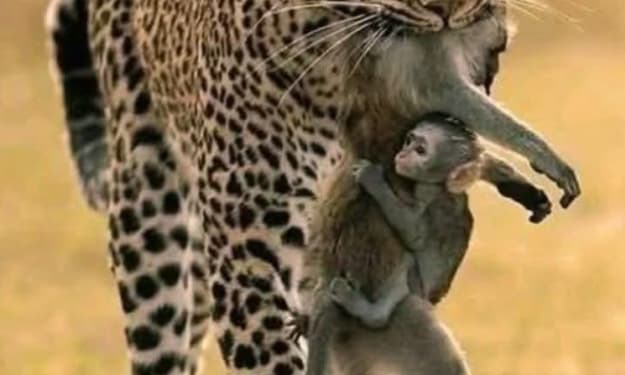
The Heartbreaking Reality of The Circle Life.
In the wild, all manner of life exists according to the law of the jungle, and for species to survive they must achieve a fragile equilibrium of predator and prey. A few days ago, I saw an interaction that I sat with in discomfort and contemplation regarding life itself.
By Rohitha Lanka10 months ago in Petlife
How Long Do Black Lab Dogs Live?
Have you ever wondered how long your furry friend will be by your side? Black Labrador Retrievers, or Black Labs, are one of the most popular dog breeds in the world. They are known for their friendly nature, intelligence, and loyalty. But how long do these beloved dogs live? In this article, we will uncover the secrets behind the lifespan of Black Lab dogs. We will explore their life stages, health issues, and tips to help them live longer. So, let’s dive into the fascinating world of Black Labs!
By Shane Watson10 months ago in Petlife
How Long Do Toy Dogs Live?
Have you ever wondered how long toy dogs live? These tiny, fluffy creatures are like little bundles of joy, but their lives are often shrouded in mystery. How long do they stay with us? What secrets do they hold about living a long, happy life? In this article, we’ll uncover the truth about how long do toy dogs live and the fascinating stories behind their existence. Get ready for a journey filled with surprises, emotions, and secrets that will keep you hooked!
By Shane Watson10 months ago in Petlife
How Long Does a Shar Pei Dog Live?
Chapter 1: The Mystery of the Shar Pei’s Wrinkles Have you ever seen a Shar Pei dog? They are the ones with all the wrinkles! Their skin looks like a blanket that’s too big for them. But did you know those wrinkles hold a secret? They are not just for looks. They tell a story about how long these dogs live. Let’s dive into the mystery of the Shar Pei’s life!
By Shane Watson10 months ago in Petlife