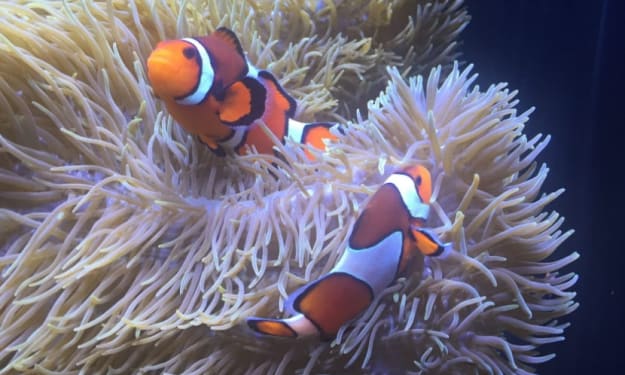
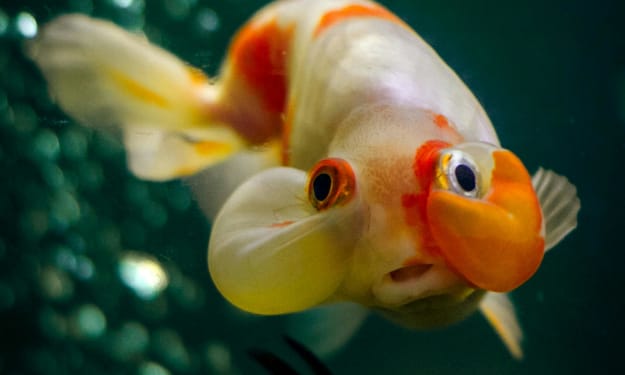
fish
The fact that fish live only in the water make them different from all other animals.
A Dog's Devotion
The sun had barely risen, casting a soft amber glow over the quiet town. On the worn-out porch of a small, weather-beaten house, a dog named Max lay still, his dark eyes watching the road. His fur, once glossy, was now faded and patchy, but it had a certain resilience to it—much like the dog himself.
By Javed Wafa11 months ago in Petlife
The Unbreakable Bond: Exploring the Relationship Between Pets and Humans
Throughout history, pets have played an essential role in human life, providing companionship, comfort, and support. Whether it's the loyal dog by our side, the curious cat curling up on our laps, or even the chirping of a bird in the corner of a room, pets have proven themselves to be more than just animals – they are integral members of the family. The relationship between humans and their pets is rich and multifaceted, marked by profound emotional connections and benefits for both parties. This article delves into the various aspects of this relationship, from psychological benefits to social influences, and the way pets shape human well-being. The Evolution of the Human-Pet Relationship The relationship between humans and animals goes back thousands of years, beginning with domestication. Early humans sought companionship and practical assistance from animals like dogs for hunting and protection, while cats were valued for their role in controlling pests. Over time, however, this pragmatic relationship evolved into a deeper emotional connection. The bond between humans and pets today often centers around mutual affection, with pets becoming trusted companions in people’s daily lives. The domestication process itself highlights the shift in roles that animals play in human lives. Unlike wild animals, pets have evolved to coexist with humans, adapting to our routines, needs, and environments. In return, humans have become deeply attached to these animals, recognizing the benefits of having them as part of the family unit. Emotional and Psychological Benefits of Pet Ownership One of the primary reasons people seek out pets is for the emotional connection they provide. Pets offer companionship that can reduce feelings of loneliness and isolation, especially for individuals who may be living alone or facing difficult life circumstances. The unconditional love and loyalty of pets help foster a sense of emotional security, allowing people to feel needed and appreciated. Research has shown that interacting with pets can help lower stress levels and reduce anxiety. Petting a dog or cat has been proven to release oxytocin, a hormone associated with feelings of happiness and bonding, and reduce the levels of cortisol, a stress hormone. This physiological response explains why spending time with pets can be so soothing, and it’s why many people find comfort in the presence of their animals, particularly in times of stress or grief. Additionally, pets can provide a sense of purpose and routine. Taking care of an animal requires daily attention, feeding, exercise, and grooming. For pet owners, these responsibilities can give them structure and stability, which can be particularly helpful in managing mental health issues like depression. In fact, studies suggest that pets can play a significant role in alleviating symptoms of depression by providing both emotional support and a sense of motivation for owners to stay active and engaged in their daily lives. Pets as Social Catalysts Beyond the individual emotional benefits, pets also have a unique role in social interaction. Dogs, in particular, are social creatures that help their owners connect with others. Dog parks, walking trails, and pet-friendly spaces provide opportunities for pet owners to meet and interact with fellow pet lovers. These interactions can lead to new friendships and foster a sense of community, especially in urban areas where social isolation can be prevalent. Pets can also serve as conversation starters in social situations. For people who may be shy or introverted, having a pet can break the ice and provide a natural topic of discussion. Studies have shown that people are more likely to engage in social conversations with pet owners than with non-pet owners, suggesting that pets can help facilitate communication and ease social interactions. In families, pets can serve as a common point of interest and a shared activity. For children, pets teach empathy, responsibility, and compassion as they learn to care for their animal companions. The presence of pets in a family can help strengthen familial bonds, creating opportunities for parents and children to interact in a relaxed and positive environment. Pets as Therapy and Assistance Animals In addition to their role as companions, pets also provide critical therapeutic and medical benefits. The most well-known form of this is the use of therapy animals. Dogs, in particular, have been trained to work in hospitals, nursing homes, and schools to provide emotional support to patients, elderly individuals, and children. These therapy animals help reduce anxiety, increase social engagement, and provide comfort to people going through challenging situations. Assistance animals, such as service dogs for people with disabilities, play an even more vital role. These animals are specially trained to help their owners navigate daily tasks, offering both physical assistance (such as guiding a blind person) and emotional support (such as alerting individuals to medical issues like seizures). The bond between service animals and their owners is incredibly strong, as these animals help improve the quality of life for people with disabilities in a profound way. Furthermore, emotional support animals (ESAs) have gained recognition for their role in helping people with mental health disorders, such as PTSD, anxiety, and depression. While they are not as formally trained as service animals, ESAs provide important emotional comfort to their owners, allowing them to navigate day-to-day challenges with greater ease. The Physical Benefits of Pet Ownership The positive effects of pets extend beyond the psychological realm and also influence physical health. Pet ownership, especially dog ownership, encourages increased physical activity. Dog owners are more likely to take daily walks, which not only benefits the dog but also promotes cardiovascular health and overall fitness for the human owner. The physical exercise involved in caring for pets can help prevent obesity, lower blood pressure, and reduce the risk of heart disease. In fact, studies suggest that pet owners, particularly those with dogs, tend to have lower cholesterol levels and are less likely to suffer from heart-related conditions than non-pet owners. The regular exercise and outdoor activity that come with dog ownership also contribute to a greater sense of overall well-being. The Risks of Pet Ownership While the relationship between pets and humans is overwhelmingly positive, it’s important to recognize that pet ownership comes with challenges. Pets require time, attention, and resources, which can be demanding, especially for people with busy schedules. Additionally, pets can sometimes contribute to allergies or other health concerns, especially for individuals who are sensitive to pet dander or prone to respiratory issues. Furthermore, not all relationships between humans and pets are harmonious. In some cases, pets can exhibit behavioral problems that require specialized training, or individuals may struggle with the emotional toll of losing a beloved pet. The grief that comes with the death of a pet can be deeply painful, as many people form strong emotional attachments to their animals. Conclusion The relationship between humans and pets is undeniably special, one that has evolved from a practical partnership to a profound emotional connection. Whether it's the unconditional love and loyalty of a dog, the calming presence of a cat, or the therapeutic benefits of a service animal, pets provide countless benefits to their owners. They offer emotional support, facilitate social interactions, improve physical health, and provide a sense of purpose. While there are certainly challenges involved in pet ownership, the rewards are immense, making the bond between pets and humans one of the most fulfilling and enduring relationships in life.
By Arafat Rahmanabout a year ago in Petlife
The Fascinating World of Jellyfish
Jellyfish are some of the most intriguing and ancient creatures in the ocean. With their ethereal, translucent bodies and mesmerizing movements, they have captivated scientists and ocean lovers for centuries. Despite their delicate appearance, jellyfish are incredibly resilient and have thrived in oceans for over 500 million years.
By Mouni Sanaabout a year ago in Petlife
The Best Pets for Parents and Children
Choosing the right pet can be an exciting but daunting task, especially when you have young children at home. The right pet can offer countless benefits, from teaching children responsibility to providing comfort and companionship. However, it's important to consider the lifestyle of the parents and the age of the children before making a decision. In this article, we'll discuss some of the best pets for families, including considerations for parents and children, and even highlight the best pets for a classroom setting.
By Mouni Sanaabout a year ago in Petlife
How to Buy Pet Supplies Online: A Guide for Pet Owners in Greece
For pet owners in Greece, ensuring that their furry, scaly, or feathered companions receive the best care is a top priority. From premium food to grooming essentials, the convenience of online shopping has made it easier than ever to access a vast selection of pet supplies. But with so many options available, how can you be sure you're choosing the right products? This guide will help you navigate the process of buying pet supplies online, ensuring quality, safety, and convenience.
By ubuygreeceabout a year ago in Petlife
Amazing Types of Clownfish
Types of Clownfish Perhaps it is one of the more common fish kept in the aquarium hobby, clownfish. They are good starter fish, since they are pretty hardy and small They are all sorts of spunky and will do all kinds of crazy things in the tank.
By Rohitha Lankaabout a year ago in Petlife
Seal: The Fascinating Marine Mammal
Seals are semi-aquatic marine mammals that belong to the pinniped family, which also includes sea lions and walruses. These fascinating creatures are found in oceans all around the world, from the icy waters of the Arctic and Antarctic to the more temperate coastlines. Seals are known for their streamlined bodies, flippers, and remarkable ability to thrive both in water and on land.
By Mouni Sanaabout a year ago in Petlife
A Dream That Comes True Swimming With The Dolphins in The Open Water
Wow, what an Incredible Insight A Boat captain captures breathtaking footage of thousands of dolphins swimming together in what is called a ''super pod'' an extraordinary and rare sight off the coast of Monterey Bay, California. Humpback Whales were involved in this rare phenomenon, and it was not only dolphins but also included mothers and their young calves.
By Rohitha Lankaabout a year ago in Petlife
The Art of Raising Fish at Home: Ensuring a Long and Healthy Life
Raising fish in a home aquarium can be both a rewarding and calming experience. Whether for decoration, hobby, or even a small-scale business, keeping fish requires a certain level of knowledge and dedication. Proper care ensures that fish live longer, healthier lives, bringing beauty and tranquility to your home. This essay explores the essentials of home fishkeeping, including tank setup, water quality management, feeding routines, and general health maintenance.
By yusuf selhoabout a year ago in Petlife