
The Art of Raising Fish at Home: Ensuring a Long and Healthy Life
Setting Up the Ideal Environment

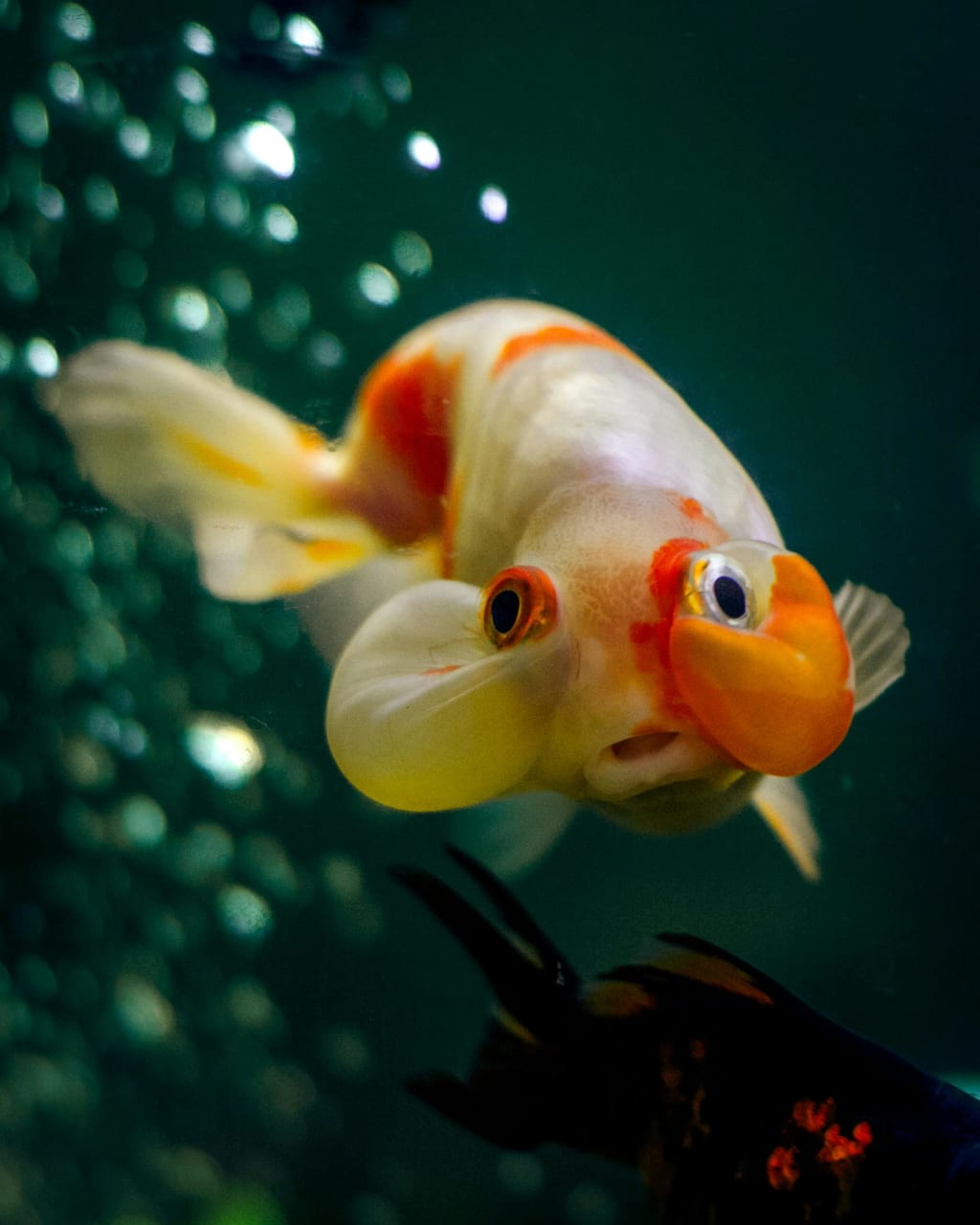
Raising fish in a home aquarium can be both a rewarding and calming experience. Whether for decoration, hobby, or even a small-scale business, keeping fish requires a certain level of knowledge and dedication. Proper care ensures that fish live longer, healthier lives, bringing beauty and tranquility to your home. This essay explores the essentials of home fishkeeping, including tank setup, water quality management, feeding routines, and general health maintenance.
Setting Up the Ideal Environment
One of the most crucial aspects of keeping fish healthy is creating the right environment. This begins with selecting an appropriate tank. The size of the aquarium depends on the type and number of fish you plan to keep. A larger tank is always preferable, as it provides more stable water conditions and ample space for fish to swim.
Placement of the tank is also essential. It should be positioned in a location with minimal direct sunlight to prevent excessive algae growth and temperature fluctuations. Additionally, using a sturdy stand or support is necessary to bear the tank’s weight when filled with water, decorations, and fish.
Aquarium decorations are more than just aesthetic additions; they provide hiding spots and reduce fish stress. Rocks, plants, and caves can help mimic a natural habitat, making the fish feel safer and more comfortable. However, decorations should be made of fish-safe materials to avoid releasing harmful toxins into the water.
Maintaining Water Quality
Water quality is the most critical factor in extending the lifespan of your fish. Poor water conditions can lead to stress, disease, and even death. To maintain high-quality water, follow these essential steps:
Filtration System: An efficient filter is necessary to remove waste, excess food, and toxins from the water. Filters come in various types, including mechanical, chemical, and biological, each serving a different purpose in keeping the water clean.
Regular Water Changes: Partial water changes (about 20–30% of the tank’s volume) should be done weekly to keep the water fresh and free of harmful substances.
Water Testing: Using a water test kit, regularly check for parameters such as pH levels, ammonia, nitrites, and nitrates. Ideally, the pH should remain stable, and harmful toxins like ammonia should always be at zero.
Temperature Regulation: Different fish species have specific temperature needs. Using a reliable heater and thermometer helps maintain a stable water temperature appropriate for your fish.
Feeding Your Fish Properly
Providing the right nutrition is essential for fish health. Fish have different dietary needs based on their species. Some are herbivores, others are carnivores, and many are omnivores. Researching the dietary needs of your fish helps in selecting the right food.
Feeding Guidelines:
Feed small portions 1–2 times a day to prevent overfeeding, which can pollute the water.
Use a variety of foods, such as flakes, pellets, frozen, or live food, to provide balanced nutrition.
Remove uneaten food within a few minutes to maintain water quality.
Preventing and Treating Diseases
Just like any other pet, fish are susceptible to diseases. Stress, poor water quality, and improper diet are common causes of illness. Here are some preventive measures:
Quarantine new fish before introducing them to the main tank to avoid spreading diseases.
Observe fish daily for signs of illness, such as loss of appetite, abnormal swimming, or color changes.
If a fish gets sick, isolate it and use proper medications as recommended by aquatic specialists.
Providing Proper Social Interaction
Fish behavior varies by species. Some prefer to be in groups (schooling fish), while others are territorial. Ensuring compatibility between fish species prevents stress and aggression. Before adding new fish, research their behavior to avoid conflicts within the tank.
Conclusion
Raising fish in a home environment requires proper knowledge and commitment. From setting up the tank to maintaining water quality, feeding correctly, and monitoring health, every step contributes to their longevity. By following these guidelines, fish can live a long and healthy life, bringing joy and relaxation to their owners. A well-maintained aquarium not only enhances the beauty of a home but also serves as a peaceful and rewarding hobby.
About the Creator
yusuf selho
Crypto analyst and financial writer providing in-depth insights, market trends, and investment strategies. Simplifying complex concepts to help you make informed decisions. Fol the latest updates and opportunities in the digital asset spac
Keep reading
More stories from yusuf selho and writers in Petlife and other communities.
The Art and Impact of Horse Breeding on Farms: A Bond Between Humans and Horses
Horse breeding on farms is an ancient practice that has shaped human civilization, from agricultural development to modern sports and leisure activities. The presence of horses on farms not only supports economic endeavors but also fosters deep emotional connections between humans and these majestic animals. Their gentle nature and intelligence make them ideal companions, impacting both adults and children in profound ways. This essay explores the significance of horse breeding on farms, its effects on individuals, and the inherent friendliness of horses toward humans.
By yusuf selho11 months ago in Petlife
A Dart at Dusk
Seconds ago, the sullen sun set on the two of us… my exuberant furry companion and me. A fresh breeze embraces us, delivering welcome relief from the day’s oppressive heat. His typical stumbling and staggering along — apace with a sloth — has turned into trip-trapping, high-stepping, almost skipping along.
By Angie the Archivist 📚🪶6 days ago in Petlife
Miss Persephone's Manual to a Seemingly Ordinary Life
Miss Persephone was found at the dining table, her blue eyes swollen, her tears arriving and retreating like the tides of the ocean. Earlier that day, her family had visited her in the retirement home where she had lived for eight years. It was her eightieth birthday.
By Imola Tóth4 days ago in Fiction



Comments
There are no comments for this story
Be the first to respond and start the conversation.