

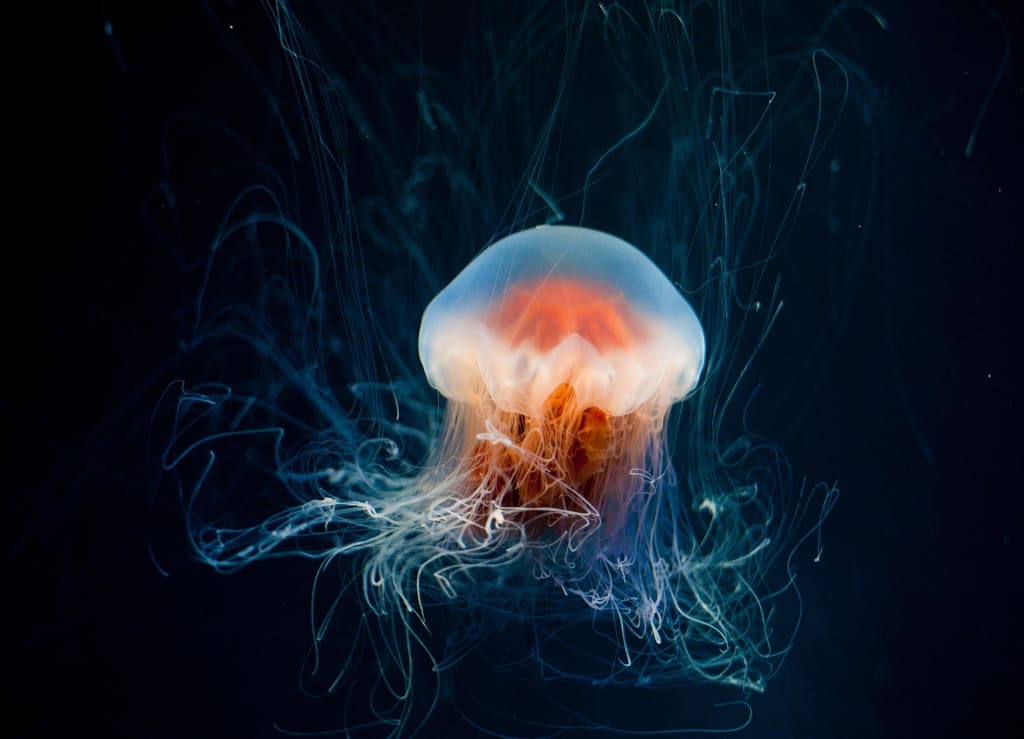
Jellyfish are some of the most intriguing and ancient creatures in the ocean. With their ethereal, translucent bodies and mesmerizing movements, they have captivated scientists and ocean lovers for centuries. Despite their delicate appearance, jellyfish are incredibly resilient and have thrived in oceans for over 500 million years.
What Are Jellyfish?
Jellyfish belong to the phylum Cnidaria and the class Scyphozoa, although some species are classified under other groups such as Cubozoa and Hydrozoa. They are invertebrates, meaning they lack a backbone, and their bodies consist mainly of water. A jellyfish's body is composed of a bell-shaped structure called the medusa, from which tentacles extend. These tentacles contain specialized cells known as cnidocytes that release venomous stingers to capture prey or defend against predators.
The Role of Jellyfish in the Ecosystem
Jellyfish play a crucial role in marine ecosystems. They serve as both predators and prey, maintaining the balance of oceanic food webs. Many marine animals, including sea turtles and certain fish species, rely on jellyfish as a primary food source. Additionally, jellyfish help regulate populations of smaller marine organisms, such as plankton, by feeding on them.
Jellyfish Blooms and Their Impact
In recent years, jellyfish blooms—large gatherings of jellyfish—have become more frequent. While these blooms are a natural phenomenon, human activities such as climate change, overfishing, and pollution have contributed to their increase. Blooms can disrupt fishing industries, damage power plants by clogging cooling systems, and even affect tourism in coastal regions. Scientists continue to study the causes and long-term impacts of these blooms to better manage their effects.
Jellyfish Pet: Can You Keep One at Home?
Keeping jellyfish as pets has gained popularity in recent years, thanks to advancements in specialized aquarium technology. Unlike traditional fish, jellyfish require a specialized tank with a constant water flow to keep them suspended and prevent them from getting trapped in corners. These tanks, often called “Kreisel” tanks, mimic ocean currents and provide an optimal environment for jellyfish.
Caring for pet jellyfish involves maintaining precise water conditions, including temperature, salinity, and cleanliness. They primarily feed on brine shrimp, which must be provided in appropriate amounts to ensure their health. While keeping jellyfish can be rewarding, it requires careful attention to detail and a commitment to maintaining their delicate environment.
1. Is a jellyfish harmful to humans?
Yes, some jellyfish can be harmful to humans. Many species have stinging cells (nematocysts) that release venom, causing pain, irritation, or even severe reactions. Some, like the box jellyfish, have venom potent enough to be deadly.
2. Five interesting facts about jellyfish:
Ancient Creatures: Jellyfish have been around for over 500 million years, making them older than dinosaurs.
No Brain or Heart: They lack a brain, heart, and bones but still function effectively through a simple nerve net.
Bioluminescent Abilities: Some species can glow in the dark due to bioluminescence.
Immortal Species: The Turritopsis dohrnii jellyfish can revert to its juvenile form, essentially making it biologically immortal.
Super Absorbent: Jellyfish are 95% water, which helps them maintain their gelatinous structure.
3. Can jellyfish bite you?
No, jellyfish do not bite because they have no teeth. However, they sting by releasing venom through specialized cells called nematocysts when their tentacles make contact with skin.
4.What makes up 95% of a jellyfish?
Jellyfish are composed of about 95% water, with the rest being proteins, nerves, and their simple digestive system.
5. How many humans are killed by jellyfish each year?
Jellyfish stings cause about 50 to 100 deaths worldwide annually, with the box jellyfish being responsible for most fatal cases.
6. How much DNA do we share with jellyfish?
Humans share about 60% of their DNA with jellyfish. Even though they are very different from us, they still have genetic similarities in fundamental biological processes.
Conclusion
Jellyfish are truly remarkable creatures with a long evolutionary history and a significant role in marine ecosystems. Whether observed in the wild or kept as pets, they continue to captivate people with their beauty and unique characteristics. However, understanding their needs and impact on the environment is essential to appreciating and preserving these ancient marine wonders.
About the Creator
Mouni Sana
I just love animals
Keep reading
More stories from Mouni Sana and writers in Petlife and other communities.
The Secret World of Hyenas
Hyenas are some of the most fascinating yet misunderstood creatures in the animal kingdom. Often depicted as scavengers or villains, they are actually highly intelligent and social animals with unique adaptations that make them formidable predators. Found primarily in Africa and parts of Asia, hyenas belong to the family Hyaenidae, which includes four species: the spotted hyena, striped hyena, and aardwolf.
By Mouni Sana11 months ago in Petlife
A Dart at Dusk
Seconds ago, the sullen sun set on the two of us… my exuberant furry companion and me. A fresh breeze embraces us, delivering welcome relief from the day’s oppressive heat. His typical stumbling and staggering along — apace with a sloth — has turned into trip-trapping, high-stepping, almost skipping along.
By Angie the Archivist 📚🪶6 days ago in Petlife
Miss Persephone's Manual to a Seemingly Ordinary Life
Miss Persephone was found at the dining table, her blue eyes swollen, her tears arriving and retreating like the tides of the ocean. Earlier that day, her family had visited her in the retirement home where she had lived for eight years. It was her eightieth birthday.
By Imola Tóth4 days ago in Fiction


Comments
There are no comments for this story
Be the first to respond and start the conversation.