fact or fiction
Is it fact or merely fiction? Fact or Fiction explores the myths and beliefs we hold about our pets, like why dogs wag their tails and cats purr.
Monkey And Mango Story You Won't Believe Amazing And interested Story
A Monkey and Mango Story By Suman Once upon a time, in a lush green forest nestled beside a sparkling river, there lived a clever monkey named Momo. This forest was home to many animals, but Momo was known far and wide for his mischief, agility, and love for juicy fruits—especially mangoes. Among the tall trees, one stood out. It was an old, majestic mango tree that bore the sweetest mangoes in the entire region. These mangoes were golden, fragrant, and so delicious that animals from nearby forests would travel just to taste one.
By Animals Lifestyle11 months ago in Petlife
What Every Cat Owner should Know About Their Cats Purr
Nothing beats the feeling of a cat curling up on your lap, settling down, and beginning to purr. It’s an amazing feeling. Something about the purr seems so soothing to us, and the cat seems to be having a good time as well. It’s no surprise then that we automatically associate the purring sounds with happiness and comfort. Originally, this post was going to explore how cats purr and what conditions are best for them to do so, however, it seems that there is more to purring than I thought. Let’s begin.
By Dave's Your Uncle!11 months ago in Petlife
Aurora's Animal Control Laws: A Guide for Pet Owners
If you have a pet in Aurora, Colorado, there are some local rules you should know about. These regulations help keep both pets and people safe in the community. Let's go through the basics of Aurora's animal control laws, covering everything from getting your pet licensed to understanding noise rules and housing restrictions. Learn more here: https://sunshinepethospital.com/comprehensive-guide-to-animal-control-in-aurora-il/
By Myra Mcgee11 months ago in Petlife
Viral Image Shows 100 Baby Crocodiles Riding on Their Father’s Back in a Heartwarming Display of Nature.
Viral Image Shows 100 Baby Crocodiles Riding on Their Father’s Back in a Heartwarming Display of Nature. The animal kingdom never ceases to amaze with its fascinating behaviors and a recent viral image has captured one of the most heartwarming moments in nature. The photograph which has been widely shared across social media platforms, shows a remarkable sight 100 baby crocodiles clinging onto their father’s back as he gently glides through the water. This extraordinary display of parental care has captivated audiences worldwide challenging common misconceptions about crocodiles as cold blooded and ruthless creatures. Crocodiles are often seen as fierce predators but they also exhibit remarkable parenting skills particularly when it comes to safeguarding their young. While many reptilian species abandon their eggs after laying them crocodiles, especially the gharial species featured in this viral image display an unusual level of care. The father in the image is a gharial, a critically endangered crocodilian species found in South Asia primarily in India and Nepal. Known for their long slender snouts adapted for catching fish these reptiles have a unique way of nurturing their offspring. In this touching image, the father gharial is seen carrying his hatchlings on his back, ensuring they remain safe from potential predators lurking in the waters. Baby crocodiles when they first hatch are vulnerable to a variety of dangers including larger fish birds and even other crocodiles. By offering his back as a secure platform the father provides them with protection and a means of transportation across their aquatic habitat. This behavior significantly increases the survival rate of the hatchlings reinforcing the importance of parental care in the reptilian world. Scientists and wildlife conservationists have long studied crocodilian parenting behaviors but such a massive gathering of babies on a single father's back is a rare and remarkable sight. Usually crocodilian mothers are more commonly associated with parental care as they often guard their nests and help their young reach the water after hatching. However in the case of gharials the role of the father is crucial. Since gharials live in river ecosystems with strong currents and numerous predators the father’s presence plays a significant role in ensuring the well being of his offspring. The viral image serves as a powerful reminder of the delicate balance of nature and the importance of conservation efforts. Gharials, once abundant in South Asian rivers have faced severe population declines due to habitat destruction pollution and human activities such as sand mining and illegal fishing. Conservation programs have been working to revive their numbers and this image highlights the success of such efforts in protecting and preserving these majestic reptiles.
By Adnan Rasheed12 months ago in Petlife
Can animals understand human language?
Can animals understand human language? Clever Hans a horse from early 20th century Germany captivated audiences with his apparent ability to understand human language solve arithmetic problems and even tell time. His talents seemed to suggest that animals could comprehend human speech and respond in meaningful ways. However a deeper investigation into Clever Hans' abilities led to a surprising discovery one that has shaped our understanding of animal cognition and communication ever since. The story of Clever Hans begins with his owner Wilhelm von Osten a former schoolteacher with a keen interest in mathematics and animal intelligence. Von Osten was convinced that animals particularly horses possessed untapped intellectual potential. Through rigorous training he taught Hans to respond to questions by tapping his hoof. When asked what two plus two was Hans would tap four times. If asked what day followed Monday he would tap once for Tuesday. To many spectators it appeared that Hans truly understood human language and numbers. News of the horse’s abilities spread quickly and he became a sensation across Germany. Scientists journalists and even government officials came to witness the remarkable animal eager to determine whether his abilities were genuine. After all if a horse could understand language it could revolutionize our understanding of animal intelligence. A psychologist named Oskar Pfungst took on the challenge of examining Clever Hans in detail conducting a series of experiments to determine how he arrived at his answers. Pfungst's findings were groundbreaking but not in the way von Osten had hoped. It turned out that Hans was not actually performing arithmetic or comprehending language. Instead he was incredibly skilled at reading subtle unconscious cues from his human questioners. When someone asked a question they would unknowingly give off slight changes in posture facial expressions or breathing when Hans reached the correct answer. These cues signaled him to stop tapping. In cases where the person asking the question did not know the answer Hans' accuracy dropped significantly.
By Adnan Rasheed12 months ago in Petlife
Freedom The Greatest Truth of Life
Freedom The Greatest Truth of Life Wildlife has always been full of fascinating stories but some incidents challenge our understanding of nature. One such extraordinary event occurred when a hungry leopard chasing a dog ended up trapped in a locked toilet with it. Surprisingly despite having an easy opportunity to attack the leopard did not harm the dog. For twelve hours both animals remained in the confined space yet the leopard chose to stay calm rather than pounce on its potential prey. This behavior goes against natural instincts. Wild animals rely on their hunting skills for survival and when given a chance they rarely hesitate to kill for food. However this situation was different. Wildlife experts believe the key reason for the leopard's behavior was the loss of its freedom. When a wild animal realizes it is trapped, a psychological shift occurs. The distress of captivity becomes so overwhelming that even the fundamental instinct of hunger takes a backseat. For the leopard the primary concern was not eating but finding a way to escape. Freedom is the most crucial aspect of a wild animal’s life. In their natural habitat they roam freely hunt at will and live according to their instincts. However when confined they experience anxiety that disrupts their usual behavior. This is why many animals in captivity become lethargic anxious or even sick as they lose the drive that defines their existence. The same principle applies to human life. A person who has the liberty to make choices and live independently experiences greater happiness and fulfillment. But when restrictions are placed on their thoughts actions or decisions they begin to feel trapped leading to frustration and a decline in their true potential. Just like the leopard in captivity lost its urge to hunt humans in a restrictive environment may lose their passion and motivation. The biggest lesson from this incident is that freedom is equally vital for all living beings whether animals or humans. The loss of freedom can be so distressing that it overshadows even the most basic survival instincts. The leopard’s decision not to attack the dog was not out of kindness or mercy but rather a psychological response to captivity. This teaches us that freedom is not just a privilege but a fundamental necessity. Throughout history people have made great sacrifices for freedom knowing that losing it means more than just physical confinement it is a restriction of the mind and soul. When freedom is taken away it affects not only movement but also the very essence of one’s existence. This story serves as a reminder to value and protect our freedom. We must cherish our independence and respect the freedom of others. Creating a society where everyone can live and express themselves without unnecessary restrictions is crucial. Only when people recognize the true worth of freedom can they achieve genuine happiness and peace in their lives.
By Adnan Rasheed12 months ago in Petlife
World Butterfly Day 2025
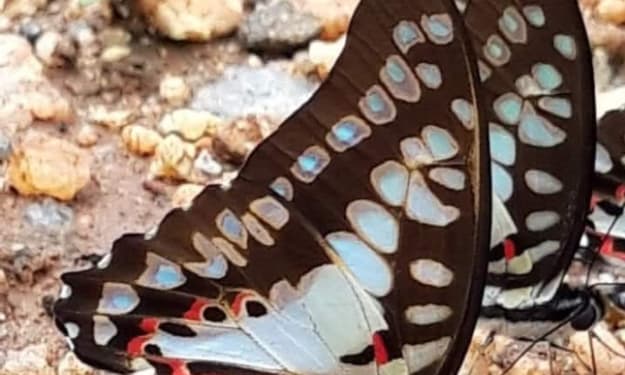
2025 03 14 World Butterfly Day, Inaction Plan and Our Role Every year, March 14 is celebrated as World Butterfly Day. In some countries, it is also known as National Learn About Butterflies Day. This day is not celebrated at the state level in Sri Lanka, but it is another environmental day that is celebrated by butterfly enthusiasts in their own way. There are more than 20,000 species of butterflies worldwide and this day is used to increase interest in them, draw attention to their conservation and learn about butterflies.
By Rohitha Lanka12 months ago in Petlife