
What Every Cat Owner should Know About Their Cats Purr
Understand your cats purr and understand them and their needs on a deeper level.


Nothing beats the feeling of a cat curling up on your lap, settling down, and beginning to purr. It’s an amazing feeling. Something about the purr seems so soothing to us, and the cat seems to be having a good time as well. It’s no surprise then that we automatically associate the purring sounds with happiness and comfort. Originally, this post was going to explore how cats purr and what conditions are best for them to do so, however, it seems that there is more to purring than I thought. Let’s begin.
How Do Cats Purr?
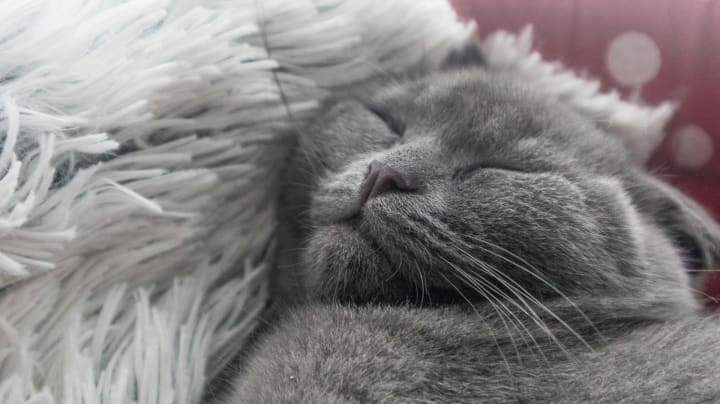
Let’s begin with what the original post was going to discuss, how do cats purr? The mechanics behind this are still not fully understood, however what we do know is that it involves the rapid twitching of muscles in their larynx (their voice box) as they breathe in and out, causing vibrations that let out the sounds we associate with purring.
What’s fascinating is that cats purr without even having to think about it. It happens automatically as their brain sends signals to the muscles that cause the purring, keeping the rhythm going without any conscious effort.
Why Do Cats Purr?

Most of us assume that a cat’s purr is a sign of happiness and comfort, and while this is often true, it’s not the full picture. Yes, a curled-up cat sitting on your lap, purring softly with their eyes shut, is a sign that the cat is happy and relaxed, but there are times when the cat purr means something completely different.
For instance, adult cats sometimes purr when they’re stressed or in pain. Scientists believe that purring not only acts as a self-soothing mechanism but helps the cat heal themselves. The vibrations frequency range of a purr is between 25 to 150 Hertz, which has been linked to promoting bone growth, reducing inflammation and easing pain. The next time you hear a purring cat that looks distressed, check for injury and what could have caused it to be in distress such as other animals or loud noises.
What Does Your Cat’s Purr Mean?
Now that we know the how and why of purring, let’s explore the ‘what’—what does it all mean? Every cat is different when it comes to purring. Some are loud, others, not so much. Some purr frequently while others are more reserved and only purr on occasion. No matter what their purring patterns are, it’s important to learn how to best understand external cues that will help you figure out what your cat is communicating through their purrs.
Begin by assessing their body language. If they’re snuggled up next to you, eyes half-closed and purring softly, it’s a good indicator that your cat is relaxed and enjoying your company. However, if they’re purring loudly while hiding under the bed or refusing to eat their food, it could mean they’re unwell or stressed.
Another factor to consider is their surroundings. If you find your cat purring loudly while sitting next to their empty food bowl, it’s a good sign that your cat wants to be fed. Likewise, if they’re scratching at a door while purring and looking at you expectantly, your cat could be asking you to open the door. These types of cues together form strong assumptions about what our cats could be trying to communicate.
What Should You Know as a Cat Owner?

As a cat owner, understanding these cues will not only benefit the health of your cat but strengthen your bond too. If you understand the frequency, tone, and purring habits of your cat, it will make understanding their needs much easier. Changes in a cat’s purring habits can be a significant sign of health decline or distress. If a usually vocal cat suddenly stops purring or starts doing so excessively when usually quiet, it could be a sign of an underlying problem that needs attention from a vet. You understand your cat better than anyone else, so you will know what’s normal and what’s not as you focus on their behaviours and patterns.
There’s also the wonderful feeling that purring has on us humans. A cat’s soothing purr can lower stress levels and even reduce blood pressure. Every time my cat decides to purr while sitting on my lap, I feel my body melt into the couch and a warm feeling flush through my chest. It’s an amazing feeling! A cat’s purring heals not only them but others close by who get to experience it.
Final Thoughts
Your cat’s purr can mean much more than just comfort, and as any good pet owner should, you should understand what your cat is trying to communicate and how best to react. Each cat is different and has its own way of letting you know if something is wrong. I hope this post helps you not only predict your cat’s distress or pain but also begin a journey where you both grow closer together.
If you'd like to begin writing on Vocal, consider joining Vocal+
Not only do you earn more for the views your blogs get, you can pay out your earnings quicker, enable great perks like pledges, and keep more of your tips - plus much more!
Join Vocal+ with below!
https://shopping-feedback.today/vocal-plus?via=DavesYourUncle
About the Creator
Dave's Your Uncle!
Food for Thought, and I'm Starving!
Keep reading
More stories from Dave's Your Uncle! and writers in Petlife and other communities.
What Makes the Sky Blue?
I don’t look up enough. When I do, I find myself in awe at how beautiful the sky is. It’s easy to go about our daily lives and accept it as just another constant. Today, I want to ask a question that many of us would have asked before, yet may not have found the answer – why is the sky blue?
By Dave's Your Uncle!11 months ago in FYI
Velveteen Lop Rabbit Lifespan Size Color Diet and Interesting Facts
As we know when people assume Velveteen Lop Rabbit many time the sweet story of the Velveteen Rabbit comes to mind. The name of this breed is not taking from any rabbit, but the book The Velveteen Rabbit have a very cute, sociable, and friendly nature.
By Rabbits Advisora day ago in Petlife
Helping Your Elderly Cat Who's Going Blind
When Your Cat Loses Its Sight It can be heartbreaking to watch your beloved kitty go blind. When my cat started to go blind, it was really hard to watch her bump into walls, not to mention the constant loud meowing, which made her sound like she was in excruciating pain. She wasn't. However, she was very confused and scared.
By Janis Masyk-Jackson3 days ago in Petlife


Comments (1)
Somehow I feel closer to my cat 😸