
How to stop a puppy from biting your feet and hands
So, you’ve got a new puppy. Congratulations! 🐶 They're adorable, fluffy, and… oh wow, that bite hurts! Puppies come equipped with razor-sharp teeth and an endless curiosity, and guess what? They think your hands, ankles, and every other reachable body part are fair game. Don’t worry—this is perfectly normal puppy behavior. Let’s explore why they bite, how to handle it, and how to help them learn some manners (without losing your sanity).
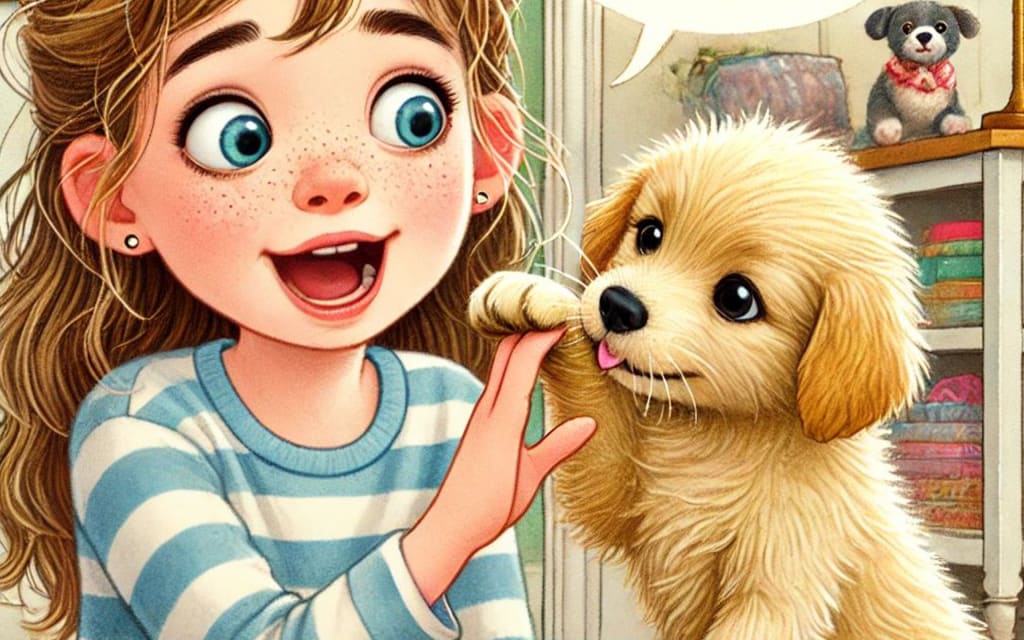
Why Puppies Bite
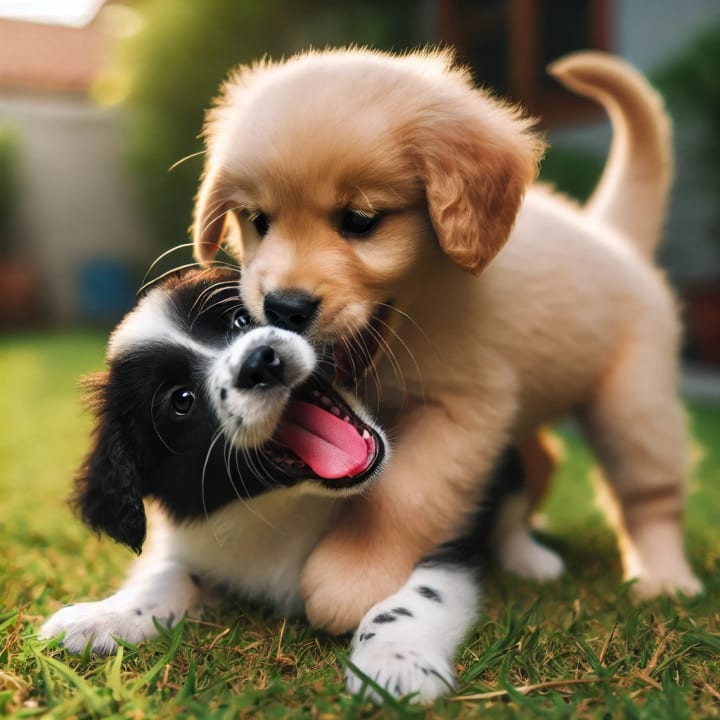
If you’ve ever watched puppies with their littermates, you’ll notice how they wrestle, chase, and nip at each other. This rough play escalates as they approach the age to leave for their forever homes. To them, teeth are like extra tools to explore the world. What’s soft, what’s chewy, what makes a funny noise—everything is worth a nip.
Puppies don’t realize that humans aren’t built like their furry siblings. We don’t have thick coats to cushion those playful bites, and it can hurt a lot more than they intend. But remember, this behavior isn’t malicious—it’s just how puppies learn.
Teaching Your Puppy Mouth Manners
Let’s get straight to the heart of it: how do you teach your puppy that humans are not chew toys? The process takes time, consistency, and a truckload of patience. Here’s what works:
1. Understand Their Triggers
Puppies are most likely to bite when they’re:
- Excited
- Over-tired
- Bored
- Over-aroused
In these states, they’re like little bitey tornadoes. Avoid high-energy games like tug-of-war or chase when they’re already worked up. Instead, keep toys handy to redirect their chewing instincts.
2. Set Boundaries
Consistency is key. If one person in the house allows playful nipping but another doesn’t, your puppy will be confused. Establish a simple rule: no teeth on humans, ever. Everyone in the house must enforce this.
When your puppy bites:
- Stop immediately. Say “ouch” or yelp to mimic the sounds their littermates would make.
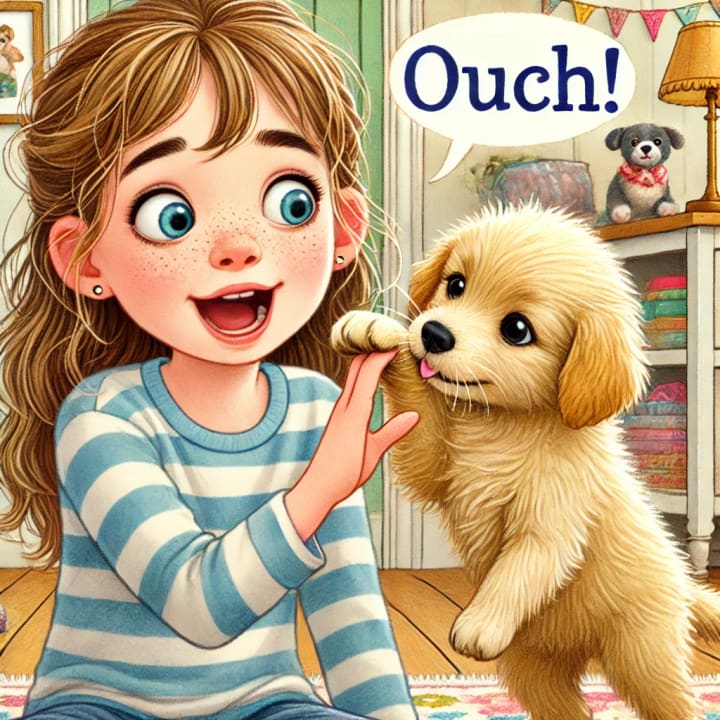
- Walk away. End the fun by leaving the room for a moment.
- Return calmly. Once they’re calmer, resume play. Repeat this every time.
3. Redirect With Toys
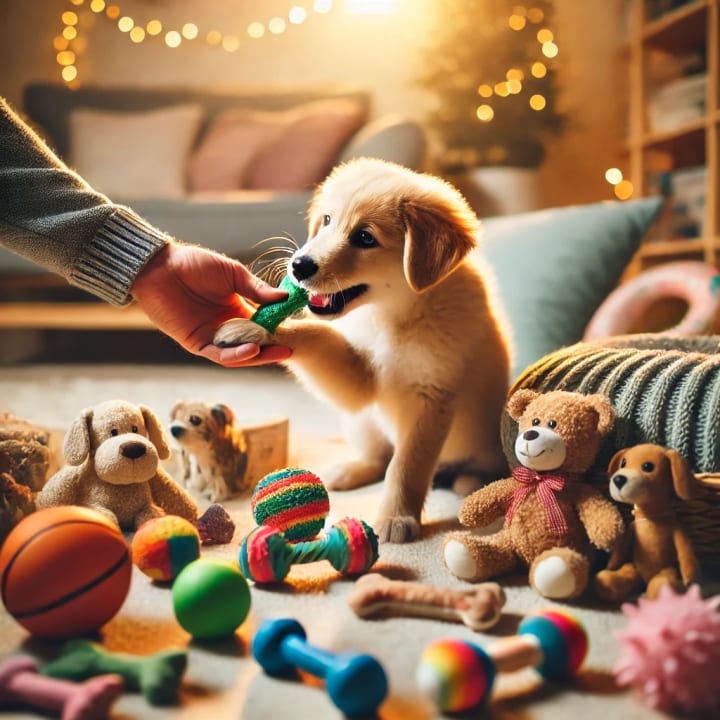
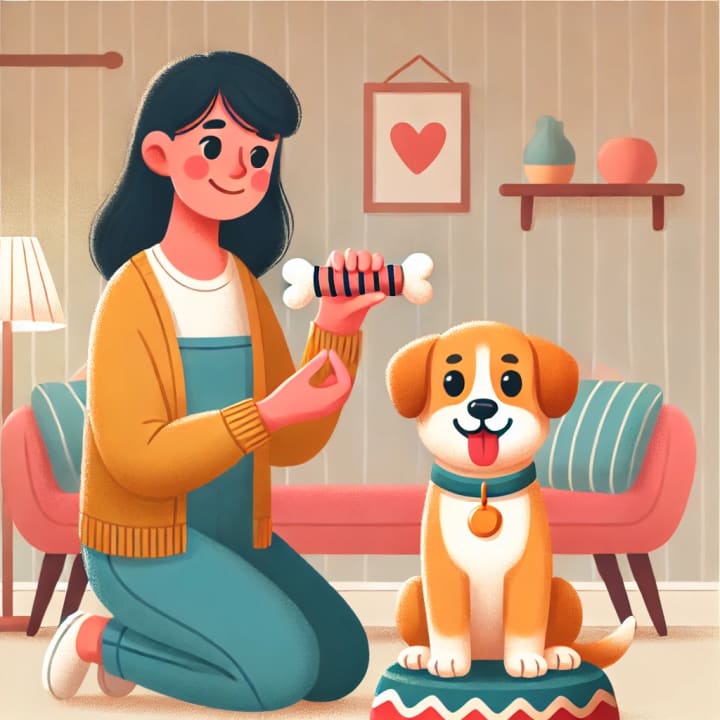
Keep plenty of toys within reach. When your puppy starts nibbling your hands, replace your hand with a chew toy. Praise them when they switch to the toy. If they come back for more nibbles, give them space to burn off energy with their toys alone.
4. Manage Energy Levels
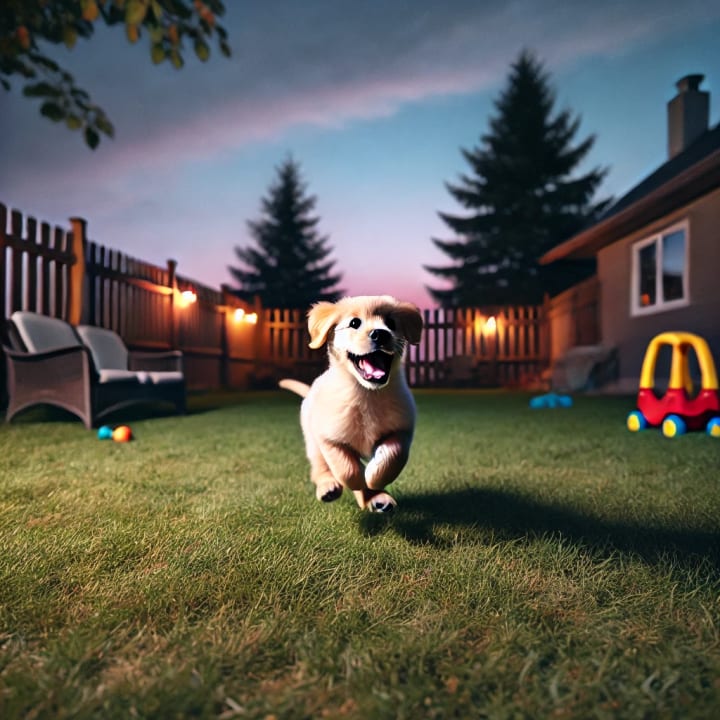
The infamous “puppy zoomies” often strike in the evening. You’ll know it when you see it—mad dashes around the house, growling, and sometimes biting. Instead of getting worked up, offer chew toys and remove yourself from the chaos. Let them get that energy out safely.
Troubleshooting Common Challenges
Even with the best efforts, training isn’t always smooth sailing. Here’s how to tackle some common hiccups:
When Toys Aren’t Enough
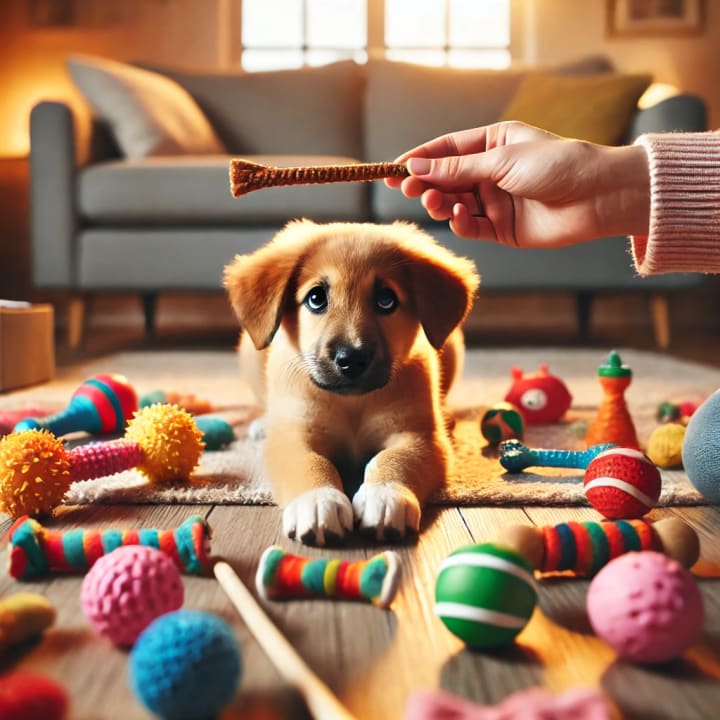
If your puppy gets bored with toys and goes back to biting you, increase the distance. Hand them a toy, then step out of the room for a bit. Baby gates are lifesavers for creating safe boundaries.
Excited Greetings
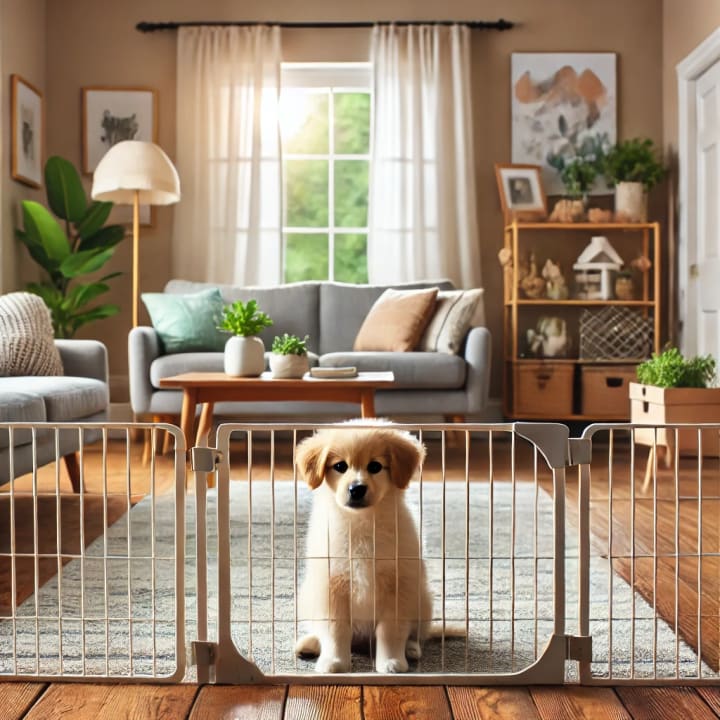
If your puppy bites when people come home, use baby gates to create a calm greeting area. Teach them to sit and reward this behavior. Over time, sitting will replace jumping and biting as their go-to greeting.
Nighttime Zoomies
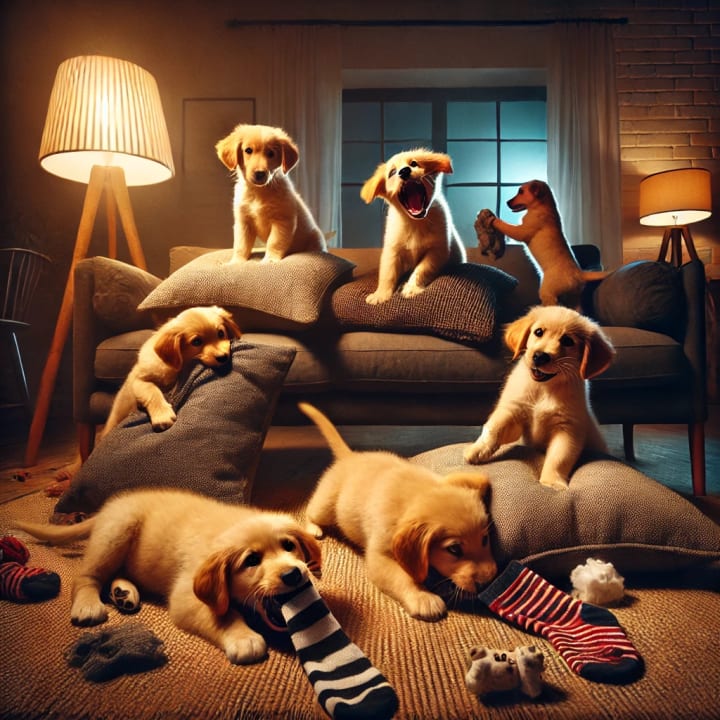
Between 7–9 PM, puppies often turn into tiny, bitey maniacs. This is normal. Let them zoom around with toys while you take a step back. Avoid yelling or chasing—it only fuels the frenzy.
When It Feels Hopeless
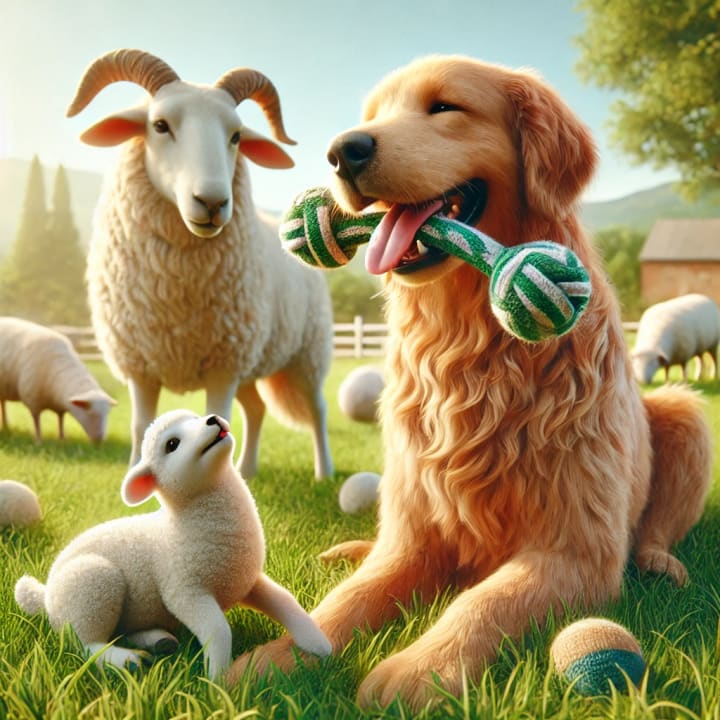
Some puppies seem extra bitey, and breed tendencies might play a role. For example, retrievers love to hold things in their mouths, and herding breeds may nip instinctively. Research your puppy’s breed to understand their natural behaviors and adapt your training accordingly.
The Emotional Side of Puppy Training
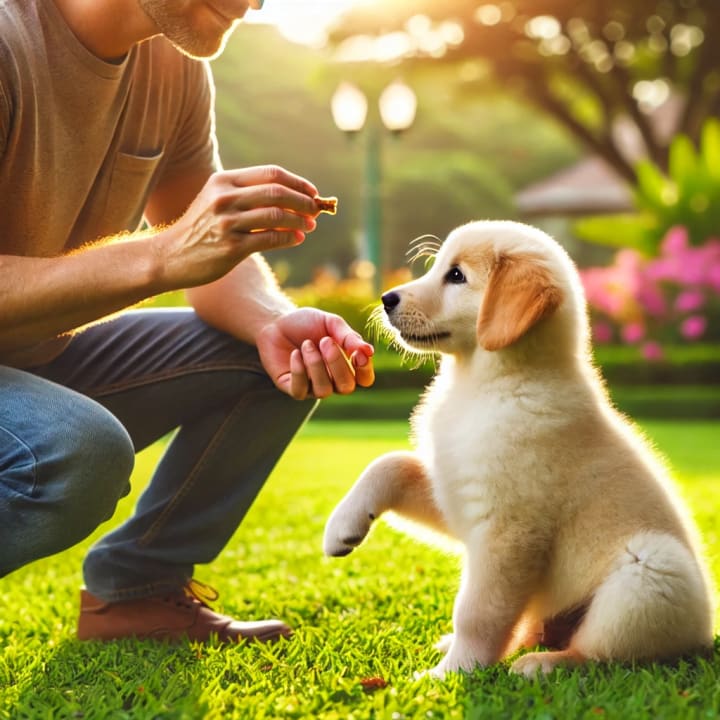
Training a puppy isn’t just about teaching them what not to do—it’s about building a bond. Puppies crave attention, and if they can’t get it through good behavior, they’ll resort to bad behavior. Reward them generously when they’re calm and playing appropriately.
A Lesson From My Own Journey
I once adopted a dog who had been neglected and left on a chain in a yard. He wasn’t trained, and his former owners thought he was “stupid.” When I took him in, I learned as much as he did. Barbara Woodhouse’s book No Bad Dogs became my guide, and her advice about using praise and affection worked wonders.
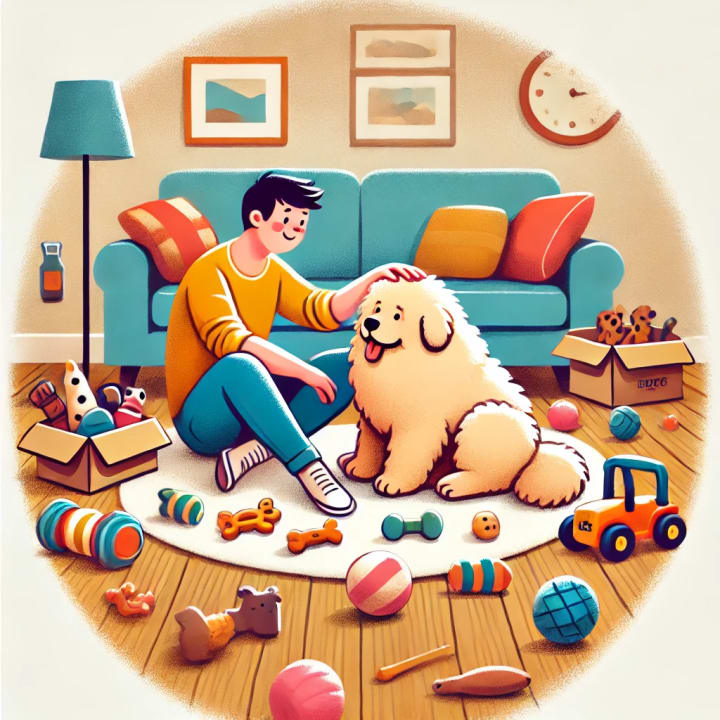
One day, I decided to give my dog all the attention he needed. I sat with him, petting and talking for hours, until he finally got up and walked away. That moment showed me how much dogs rely on us, not just for food and shelter, but for emotional support.
Practical Tools for Success
To set yourself up for success, keep these essentials on hand:
- Chew toys (lots of them!)
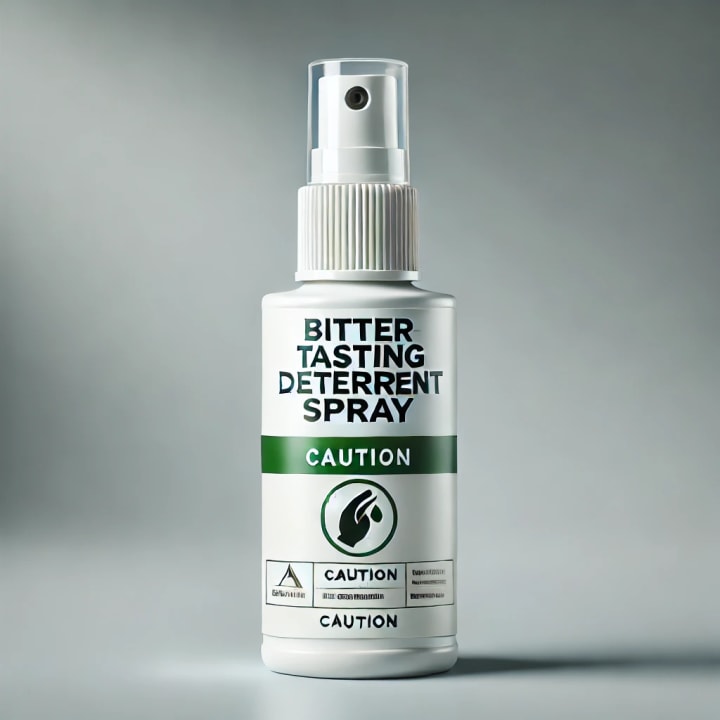
- Bitter-tasting deterrent spray for your hands
- Baby gates for managing space
- Treats to reward good behavior
Remember, every puppy learns at their own pace. Stay consistent, stay patient, and don’t hesitate to seek professional help if needed.
Final Thoughts
Your puppy isn’t trying to drive you crazy—they’re just learning how to be a dog in a human world. With time, patience, and a clear plan, you’ll guide them to become the well-mannered companion you dreamed of. And trust me, the effort is worth it. After all, we only have our dogs for a part of our lives, but to them, we are their whole world. ❤️
Thanks for your reading!
About the Creator
Authenticity and Presence: What Animals Can Teach Actors About Emotional Truth
Actors spend years searching for authenticity. Acting schools teach technique, rehearsal methods focus on emotional preparation, and directors guide performers toward believable moments on screen. Yet sometimes the most meaningful lessons about authenticity come from unexpected places.
By Andreas Szakacs2 days ago in Petlife


Comments
There are no comments for this story
Be the first to respond and start the conversation.