
What Are Normal Things for Kids to Be Anxious About?
Things frighten children. That comes as no surprise. But what are the typical causes of anxiety in children? When should parents consider talking to a doctor about their child's fears, and when can they be confident that what their child is experiencing is developmentally appropriate?

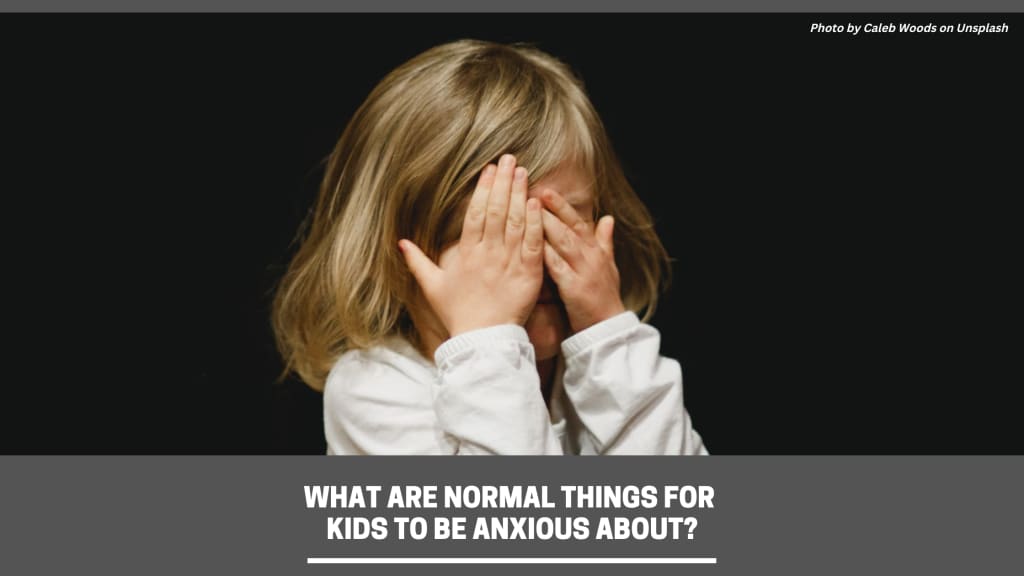
Things frighten children. That comes as no surprise. But what are the typical causes of anxiety in children? When should parents consider talking to a doctor about their child's fears, and when can they be confident that what their child is experiencing is developmentally appropriate?
Normal Anxieties & Fears
There is nothing to be concerned about because your child is afraid of certain things. Focus on the list of totally normal, age-appropriate fears organized by age.
- Infants & Toddlers – Separation from parent(s), strangers, loud noises
- Ages 2-4 – Everything listed above plus large animals, darkness, sleeping alone, monsters
- Ages 5-6 – Everything listed above plus bugs, getting lost, thunder, injury, illness, death
Strategies for Normal Fears
Here are some suggestions for assisting your child in dealing with their fears.
- A little general comfort goes a long way. Simply letting your child know you're nearby and ready to protect them will relieve a lot of their anxiety with the help of preschool interactive activities.
- If your child is able to communicate their fears to you, pay close attention to what they are saying. If they still can't speak or communicate well, you may have to "dig" a little to find out why. Remember to ask questions as well. Your child may claim to be afraid of the dark, but what they really fear is being alone. By asking the right questions, you can get to the bottom of their anxiety.
- Social anxiety is completely normal. Introduce new people and places in small steps. Allow your child to learn that you will always return.
- Take your time. It takes time to develop courage. Even if it's excruciatingly slow, don't make your child do something they're afraid of. This will only exacerbate their anxiety and undermine their trust in you. At the same time, completely avoiding the source of their anxiety does not help. Again, go slowly.
- Keep the frightening images to a minimum. Fearful movies or media can either reinforce an existing fear or create a new one.
When Fears Are Concerning
If you're worried about your child's anxieties and fears, consider the following.
- Do my child's fears last beyond the normal age? (See the preceding list.)
- Do my child's fears prevent him or her from doing everyday activities? This includes being apart from you, sleeping alone, or going to school or public places.
- When confronted with their fear, does my child throw tantrums?
- Is my child experiencing stomach aches, headaches, or dizzy spells as a result of their anxiety?
If you answered yes to any of these questions, it's time to consult with your pediatrician or mental health professional. These reactions could indicate a more serious anxiety disorder that requires additional treatment.
Fortunately, most children outgrow their anxieties as they grow older. Normal development and your support will assist your child in managing their fears, communicating more effectively about what is troubling them, and overcoming their anxieties. Remember, even adults are afraid of things! Allow your child to work through theirs with patience and compassion.
READ MORE ARTICLES HERE:
Essential & Must-Have Healthy Habits For Kids
Here are some healthy habits that you can help your child practice on a regular basis
Why Is It Important To Enroll Your Kid In A Preschool?
Let us look at some of the benefits of enrolling your child in a playschool
Skills That Kids Need To Learn From Early Childhood
Let us look at some of the reasons why preschools are important for your child's development...
The Benefits of Learning Another Language at an Early Age
Learning a new language has numerous advantages, the most significant of which are the cognitive advantages they may gain, such as creativity and problem-solving skills, at a young age.
5 Tips for Parents to Boost Their Kids’ Self Confidence
Continue reading if you want to learn essential parenting tips to help your child achieve optimal self-confidence.
About the Creator
Amit Kumar
Full-time thinker & part-time writer...
Keep reading
More stories from Amit Kumar and writers in Motivation and other communities.
5 Ways to Help Preschoolers Develop an Attitude of Gratitude
Toddlers, it's safe to say, believe the world revolves around them. Every single person who has ever been born began with the belief that they were in charge. We eventually realized that other people mattered as well, and showing and expressing gratitude was one way we stepped outside of ourselves and interacted with others.
By Amit Kumar3 years ago in Motivation
We Don’t Talk About the Good Days After Trauma
We talk a lot about trauma itself—the pain, the breaking point, the moment everything fell apart. We talk about survival like it’s a finish line. We talk about the scars, the before and after, the damage that never fully leaves.
By Imran Ali Shah4 days ago in Motivation


Comments
There are no comments for this story
Be the first to respond and start the conversation.