
The importance of a balanced diet for sustainable weight loss
"Building a Foundation for Long-Term Weight Loss: The Crucial Role of a Balanced Diet"

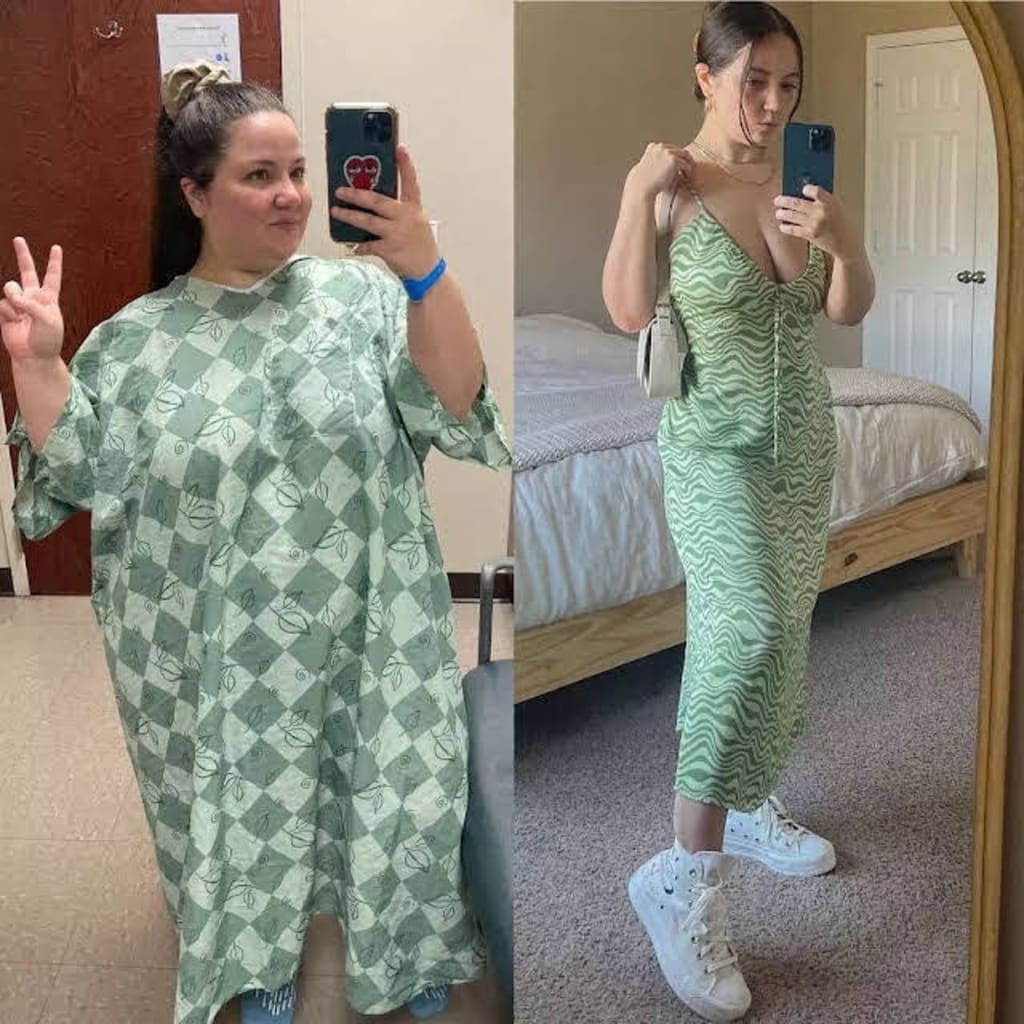
Maintaining a healthy weight is essential for overall health and well-being. However, achieving sustainable weight loss can be challenging. Many people turn to fad diets and quick-fix solutions, which may lead to short-term weight loss but are often unsustainable in the long term. A balanced diet is crucial for sustainable weight loss because it helps to ensure that your body receives all the nutrients it needs to function optimally.
A balanced diet consists of a variety of nutrient-dense foods, including fruits, vegetables, whole grains, lean proteins, and healthy fats. These foods provide essential vitamins, minerals, and macronutrients that are necessary for optimal health. When you consume a balanced diet, you are less likely to experience nutrient deficiencies, which can lead to health problems.
One of the primary benefits of a balanced diet for weight loss is that it helps to manage hunger. A balanced diet includes foods that are high in fiber and protein, which can help you feel fuller for longer. Fiber-rich foods, such as fruits, vegetables, and whole grains, slow down the digestion process and help to regulate blood sugar levels. This can help you manage your hunger and reduce the likelihood of overeating.
Protein is also an essential nutrient for weight loss. It helps to build and maintain lean muscle mass, which is important for overall health and metabolism. Muscle tissue burns more calories than fat tissue, so the more muscle you have, the more calories you will burn throughout the day. Additionally, protein helps to promote satiety, which can help to reduce overall calorie intake.
In addition to managing hunger and promoting weight loss, a balanced diet also supports your metabolism. When you lose weight, your metabolism can slow down, which can make it more challenging to continue losing weight. However, consuming a balanced diet can help to support your metabolism by providing the nutrients your body needs to function optimally.
Furthermore, a balanced diet can help to improve your overall health. Many chronic health conditions, such as heart disease, type 2 diabetes, and obesity, are linked to poor dietary choices. A balanced diet that is rich in whole foods, such as fruits, vegetables, and whole grains, can help to reduce the risk of these and other health problems.
It is essential to note that a balanced diet does not mean that you have to eliminate all of your favorite foods. In fact, a balanced diet can include small portions of less healthy foods, such as desserts and snacks. The key is to focus on moderation and portion control. Eating a small piece of cake or a handful of chips occasionally is not likely to derail your weight loss efforts if you are following a balanced diet most of the time.
To ensure that you are consuming a balanced diet, it can be helpful to work with a registered dietitian. A dietitian can help you develop a personalized eating plan that meets your individual needs and preferences. They can also provide guidance on portion control, meal planning, and healthy eating habits.
Balanced diet is essential for sustainable weight loss. By consuming a variety of nutrient-dense foods, including fruits, vegetables, whole grains, lean proteins, and healthy fats, you can manage hunger, support your metabolism, and improve your overall health. While it may take time to establish healthy eating habits, the long-term benefits of a balanced diet are well worth the effort.
Tips for maintaining a balanced diet for sustainable weight loss include:
Plan ahead: Take time to plan your meals and snacks for the week ahead. This can help you avoid making impulsive food choices when you are hungry or pressed for time.
Choose whole foods: Focus on consuming whole foods, such as fruits, vegetables, whole grains, and lean proteins, rather than processed and packaged foods. Whole foods are typically more nutrient-dense and can help you feel fuller for longer.
Practice portion control: Pay attention to your portion sizes and aim to eat until you are satisfied, not overly full. Using smaller plates and measuring your food can help you practice portion control.
Drink plenty of water: Drinking water can help you stay hydrated and may also help to reduce hunger. Aim to drink at least 8-10 glasses of water per day.
Limit alcohol and sugary drinks: Alcoholic beverages and sugary drinks can be high in calories and may contribute to weight gain. Try to limit your consumption of these beverages or choose lower-calorie alternatives, such as sparkling water or unsweetened tea.
Incorporate physical activity: Regular physical activity is important for overall health and can also support weight loss efforts. Aim to engage in at least 150 minutes of moderate-intensity aerobic activity per week, such as brisk walking, cycling, or swimming.
Practice mindful eating: Pay attention to your hunger and fullness cues, and try to eat slowly and mindfully. This can help you avoid overeating and may also help you enjoy your food more.
Remember, sustainable weight loss is about making small, gradual changes to your lifestyle that you can maintain over time. A balanced diet is a key component of a healthy lifestyle, and by making healthy food choices, you can support your weight loss efforts and improve your overall health and well-being.
If you're looking for more information on how to maintain a balanced diet for sustainable weight loss, there are many resources available to help you. You may consider consulting a registered dietitian or certified nutritionist for personalized advice and guidance. Additionally, there are many reputable websites and publications that provide evidence-based information on nutrition and weight loss. Click here to learn more about how to develop a healthy eating plan and achieve your weight loss goals.
About the Creator
ActiveLife Wellness
ActiveLife Wellness is a health and wellness brand that focuses on promoting an active and healthy lifestyle for individuals. The brand offers various services and products aimed at improving physical health, mental health and more.
Keep reading
More stories from ActiveLife Wellness and writers in Motivation and other communities.
This Woman's Fitness Journey Was Transformed by a Shift in Her Mindset
Fitness can mean different things to different people. For some, it’s a way to improve their health, for others, it’s a way to look better or feel more confident. Regardless of the reason, incorporating fitness into our lives can be challenging, especially when we feel like we’re not making progress.
By ActiveLife Wellness3 years ago in Motivation
Influential Women Magazine Celebrating Purpose-Driven Women
Influence in today’s world is no longer defined by popularity alone. It is shaped by purpose, values, and the ability to create meaningful impact. Women across the globe are leading businesses, movements, and communities with intention and integrity.
By influentialwomenmagazine4 days ago in Motivation



Comments
There are no comments for this story
Be the first to respond and start the conversation.