
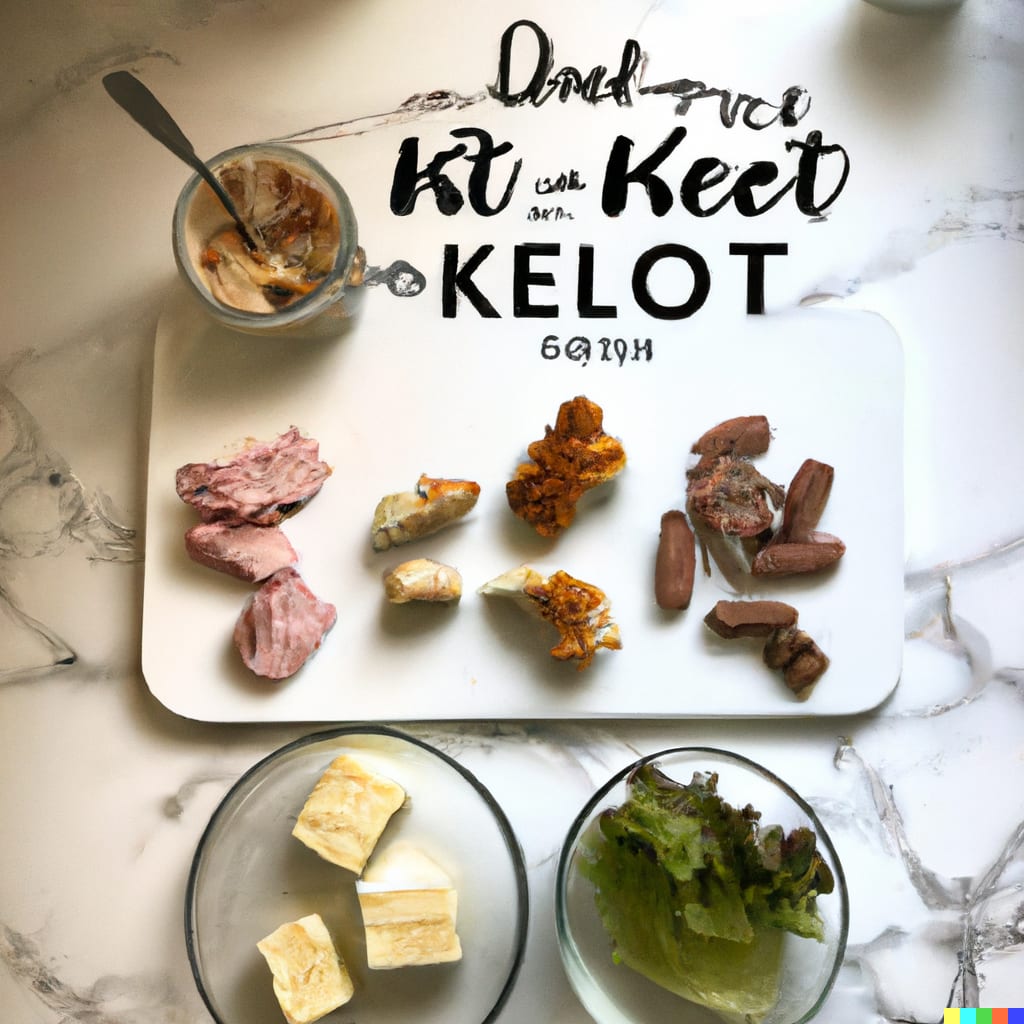
Keto Diet: A Comprehensive Guide for Beginners
The ketogenic diet, or keto diet for short, is a low-carb, high-fat diet that has gained immense popularity in recent years. It has been praised for its ability to help people lose weight, control blood sugar levels, and improve overall health. However, many people are still unsure about what exactly a keto diet entails and how to get started. In this article, we will provide a comprehensive guide to the keto diet, including what it is, how it works, and how to get started.
What is a Keto Diet?
A keto diet is a low-carb, high-fat diet that aims to put your body into a state of ketosis. Ketosis is a metabolic state in which your body uses fat for fuel instead of carbohydrates. To achieve ketosis, you need to drastically reduce your carb intake and increase your fat intake. When you do this, your body starts producing ketones, which are molecules that your body uses as fuel instead of glucose.
In a typical keto diet, your daily carb intake should be limited to around 20-50 grams per day. You should also aim to get around 70-75% of your daily calories from fat and around 20-25% from protein.
How Does a Keto Diet Work?
A keto diet works by putting your body into a state of ketosis. When you eat a lot of carbs, your body produces glucose, which is used as fuel for your cells. However, when you drastically reduce your carb intake, your body starts using fat as fuel instead. This process is called ketosis.
When your body is in ketosis, it starts producing ketones, which are molecules that are used as fuel for your body. Ketones are produced in the liver from fat, and they can provide energy for your brain, muscles, and other organs.
A keto diet has been shown to have many benefits, including weight loss, improved blood sugar control, and a reduced risk of chronic diseases like heart disease and type 2 diabetes.
Getting Started with a Keto Diet
If you are interested in trying a keto diet, here are some tips to help you get started:
Calculate Your Macros: To get into ketosis, you need to limit your carb intake and increase your fat intake. Use an online macro calculator to determine your daily caloric needs and your macronutrient ratios (i.e., how much fat, protein, and carbs you should be consuming).
Plan Your Meals: Plan your meals around low-carb, high-fat foods like meat, fish, eggs, cheese, nuts, and healthy oils. Avoid high-carb foods like bread, pasta, rice, and sugar.
Stay Hydrated: Drink plenty of water to stay hydrated and help flush out toxins.
Get Enough Electrolytes: When you limit your carb intake, you may also be limiting your intake of important electrolytes like sodium, potassium, and magnesium. Make sure you get enough of these electrolytes through your diet or supplements.
Exercise: Exercise can help your body get into ketosis more quickly and can also help you burn fat more efficiently.
Potential Side Effects of a Keto Diet
While a keto diet can have many benefits, there are also some potential side effects that you should be aware of. These include:
Keto Flu: Some people may experience flu-like symptoms like headaches, nausea, and fatigue when they first start a keto diet. This is known as the "keto flu" and is usually temporary.
Digestive Issues: Some people may experience digestive issues like constipation or diarrhea when they first start a keto diet. This is usually temporary and can be alleviated by increasing your fiber intake.
Nutrient Deficiencies: When you limit your carb intake, you may also be limiting your intake of important nutrients like fiber, vitamins, and minerals. Make sure to eat a variety of nutrient-dense foods to get all the vitamins and minerals your body needs.
Increased Cholesterol: Some studies have shown that a keto diet may lead to an increase in LDL cholesterol (the "bad" cholesterol) in some people. However, other studies have shown no significant difference in cholesterol levels.
Increased Risk of Kidney Stones: A keto diet may increase your risk of kidney stones, especially if you are prone to them. Make sure to drink plenty of water and consult with your doctor if you have a history of kidney stones.
Final Thoughts
A keto diet can be an effective way to lose weight, control blood sugar levels, and improve overall health. However, it is important to approach the diet with caution and to make sure you are getting all the nutrients your body needs. If you are considering a keto diet, make sure to consult with your doctor first and get advice from a registered dietitian. With proper planning and guidance, a keto diet can be a safe and effective way to achieve your health goals.
About the Creator
Keep reading
More stories from Damian Felczak and writers in Motivation and other communities.
Home Doctor
Home Doctor Book: The Ultimate Guide for All Your Health Needs In today’s world, with the advent of technology and busy lifestyles, we often neglect our health. We may be too busy to visit a doctor, or we may not know the right information to take care of ourselves. This is where a home doctor book comes in handy. A home doctor book is a comprehensive guide that contains all the necessary information that one needs to maintain good health. From common ailments to serious health conditions, a home doctor book covers it all. In this article, we will discuss the importance of having a home doctor book and how it can help you in your day-to-day life.
By Damian Felczak3 years ago in Education
Autonomy Is The Real Privilege
Good morning, freedom-seekers! Today we’re gonna be looking at autonomy. A strange word, I know; one many would probably look at blankly and run away from on sight. We’re gonna figure out what it actually means, consider how it’s achieved, and decipher just how deeply most of us are tangled up in dependence without realising it.
By That ‘Freedom’ Guy5 days ago in Humans



Comments
There are no comments for this story
Be the first to respond and start the conversation.