
🧸 How to Raise Children in Good Health and Education 📚
How to Raise Children


Raising children in today's 🌍 world requires a balanced approach, focusing on both their health and education. Ensuring that children grow up strong, mentally sharp, and emotionally stable sets the foundation for their future success. This article will provide a comprehensive guide on how to nurture your child's health and educational development effectively. We'll explore various strategies, tips, and insights to help you raise well-rounded individuals who are equipped to face the challenges of life.

🏠 Creating a Healthy Home Environment 🏠
🥗 Balanced Nutrition for Growing Minds 🥗
Good nutrition is the cornerstone of a healthy child. A well-balanced diet that includes a variety of fruits, vegetables, lean proteins, and whole grains is essential for physical growth and cognitive development. Encourage your children to eat a rainbow of foods daily to ensure they get the necessary vitamins and minerals.
🍎 Include Fruits and Vegetables: Aim for at least five servings of fruits and vegetables per day. These foods are rich in vitamins, fiber, and antioxidants.
🍞 Whole Grains: Opt for whole grains like brown rice, whole wheat bread, and oats. They provide sustained energy and support brain function.
🥛 Dairy and Alternatives: Ensure your child consumes enough calcium and vitamin D through dairy products or fortified alternatives like almond milk.

🚴♂️ Physical Activity for Strong Bodies 🚴♂️
Regular physical activity is crucial for children's health. It helps build strong muscles and bones, improves cardiovascular health, and boosts mental well-being.
🏀 Encourage Outdoor Play: Ensure your child gets at least 60 minutes of moderate to vigorous physical activity daily. Outdoor activities like playing soccer, biking, or just running around are excellent options.
🤸♀️ Enroll in Sports or Dance Classes: Organized sports or dance classes can help children develop teamwork skills and discipline while staying active.
🚶♀️ Daily Walks: Incorporate physical activity into your daily routine by walking or biking to school, if possible.

😴 The Importance of Sleep 😴
Adequate sleep is essential for a child's growth, development, and overall well-being. Establishing a regular sleep routine ensures your child gets the rest they need.
⏰ Set a Regular Bedtime: Consistency is key. Set a bedtime that allows for 9-11 hours of sleep, depending on your child's age.
📵 Limit Screen Time Before Bed: Exposure to screens before bed can interfere with sleep. Encourage quiet activities like reading instead.
🛏 Create a Comfortable Sleep Environment: Ensure the bedroom is dark, cool, and quiet to promote restful sleep.

🎓 Fostering Educational Excellence 🎓
📚 Building a Love for Learning 📚
Cultivating a love for learning starts at home. Encourage curiosity and make learning a fun and engaging experience.
👩🏫 Be a Role Model: Show your own interest in learning by reading books, watching educational documentaries, or exploring new hobbies.
🎨 Engage in Educational Activities: Incorporate learning into everyday activities. For example, cook together to teach math and science, or visit museums to explore history and art.
📖 Read Together: Reading with your child not only improves literacy skills but also fosters a bond between you. Choose age-appropriate books that interest them.

🎯 Setting Academic Goals 🎯
Setting clear, achievable academic goals helps children stay focused and motivated. Work with your child to set both short-term and long-term goals.
📝 Create a Study Schedule: Help your child develop a study routine that balances schoolwork with free time. A consistent schedule reduces stress and improves productivity.
🏆 Celebrate Achievements: Acknowledge and celebrate your child's academic accomplishments, no matter how small. Positive reinforcement encourages continued effort.
🎯 Encourage Self-Assessment: Teach your child to reflect on their progress and identify areas where they can improve.

🧑🏫 Supporting Homework and Projects 🧑🏫
Homework and projects are integral parts of the learning process. Provide the necessary support without taking over the task.
🗓 Establish a Homework Routine: Set a specific time and quiet place for homework. Consistency helps children develop good study habits.
🔍 Offer Guidance, Not Answers: Encourage your child to think critically and solve problems independently. Offer guidance, but resist the urge to do the work for them.
📅 Break Down Large Projects: Help your child manage larger assignments by breaking them down into smaller, manageable tasks.

🧠 Supporting Mental and Emotional Health 🧠
❤️ Building Self-Esteem and Confidence ❤️
A positive self-image and confidence are vital for a child's emotional health and academic success.
👏 Provide Positive Feedback: Regularly praise your child for their efforts and accomplishments. Positive feedback reinforces self-esteem.
💪 Encourage Independence: Allow your child to make choices and take on responsibilities appropriate for their age. This fosters a sense of competence and independence.
🛡 Address Negative Self-Talk: Teach your child to recognize and challenge negative thoughts. Encourage them to focus on their strengths and achievements.
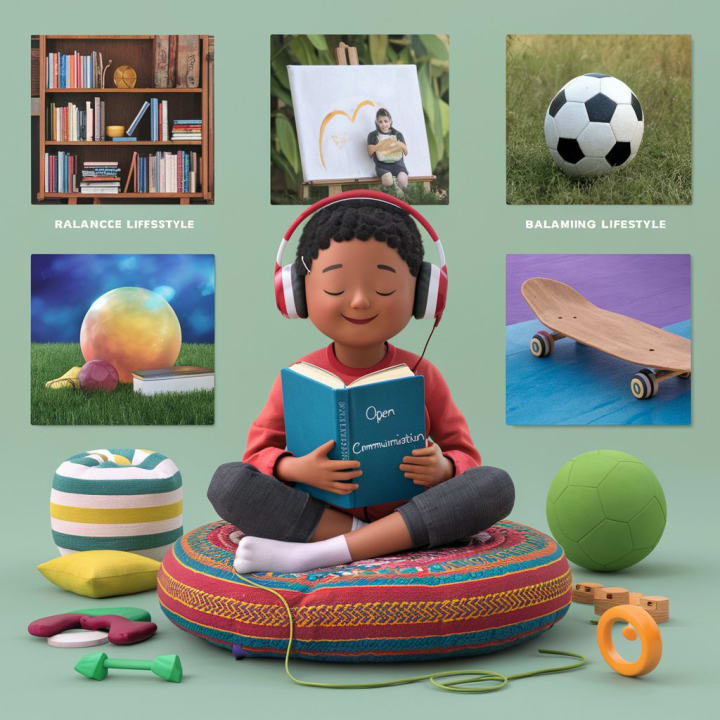
😌 Managing Stress and Anxiety 😌
Children can experience stress and anxiety from school, social pressures, or family issues. It's essential to help them manage these emotions effectively.
🗣 Open Communication: Encourage your child to talk about their feelings. Be a good listener and offer support and reassurance.
🧘 Practice Relaxation Techniques: Teach your child relaxation techniques such as deep breathing, meditation, or yoga to manage stress.
🔄 Maintain a Balanced Lifestyle: Ensure your child has a balanced schedule that includes time for relaxation, hobbies, and social activities, in addition to academics.

👫 Encouraging Social Skills and Friendships 👫
Strong social skills and friendships are crucial for emotional health and can significantly impact a child's happiness and success.
🤝 Teach Empathy: Encourage your child to consider others' feelings and perspectives. This helps them develop empathy and build stronger relationships.
🎉 Organize Playdates and Social Activities: Provide opportunities for your child to interact with peers through playdates, group activities, or clubs.
🗣 Teach Conflict Resolution: Help your child learn to resolve conflicts peacefully and constructively, which is essential for maintaining healthy relationships.

🌍 Integrating Technology and Education 🌍
💻 Safe and Effective Use of Technology 💻
Technology is an integral part of modern education, but it must be used safely and effectively.
🔒 Establish Screen Time Limits: Set limits on the amount of time your child spends on screens, especially for non-educational activities.
🛡 Online Safety: Teach your child about online safety, including the importance of not sharing personal information and recognizing inappropriate content.
💻 Use Educational Apps and Resources: Incorporate educational apps, games, and websites that complement school learning. Ensure the content is age-appropriate and aligned with educational goals.

🌐 Encouraging Digital Literacy 🌐
In a digital age, being literate in technology is as important as traditional literacy.
🖥 Introduce Coding and Computer Skills: Encourage your child to learn basic coding or computer skills. These are increasingly valuable in many career fields.
🔍 Teach Research Skills: Show your child how to find credible information online. This is crucial for completing school assignments and becoming an informed individual.
🎮 Balance Digital and Physical Play: Ensure that digital activities do not replace physical play, which is vital for overall health.

🍽 Teaching Responsibility and Life Skills 🍽
🧹 Chores and Household Responsibilities 🧹
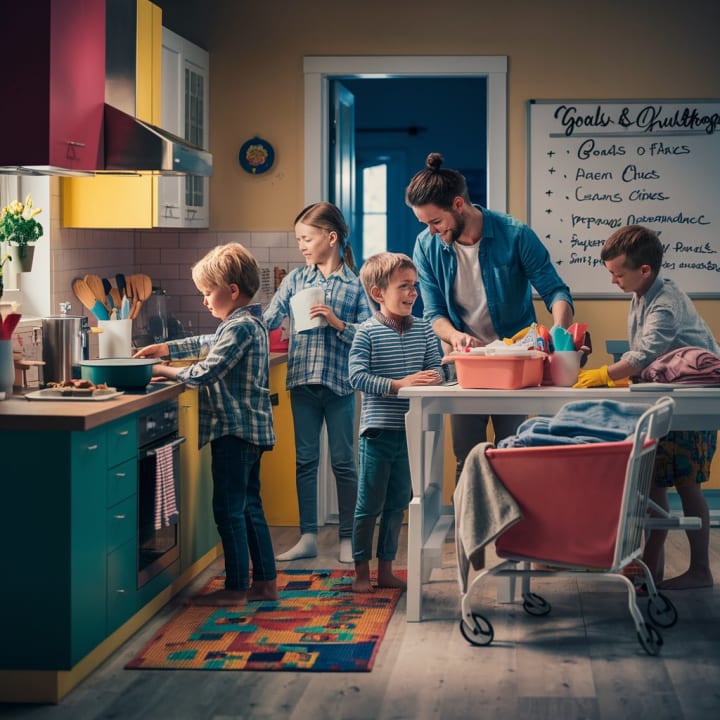
Teaching children to contribute to household chores fosters a sense of responsibility and teamwork.
🗓 Age-Appropriate Tasks: Assign chores that are suitable for your child’s age. Start with simple tasks like setting the table or feeding pets.
🏆 Reward System: Consider a reward system for completing chores, such as earning extra playtime or a small allowance. This teaches children the value of work and reward.
🧹 Rotate Responsibilities: Rotate chores to ensure children learn a variety of skills, from cleaning to basic cooking.

💼 Financial Literacy for Kids 💼
Understanding money management is a critical life skill that should be taught early on.
💰 Teach the Value of Money: Give your child a small allowance and teach them to save, spend, and donate wisely.
💳 Introduce Budgeting: Help your child create a simple budget for their allowance or money earned from chores.
🏦 Savings and Investing: Open a savings account for your child and explain the basics of saving and interest. As they get older, introduce the concept of investing.
🛠 Preparing for Independence 🛠
As children grow, it's important to prepare them for independence and adulthood.
📝 Teach Decision-Making Skills: Encourage your child to make decisions, both big and small, and discuss the outcomes with them.
🧳 Basic Life Skills: Teach essential life skills such as cooking, cleaning, laundry, and basic first aid.
🎯 Goal Setting and Planning: Guide your child in setting personal goals and making plans to achieve them. This skill is crucial for both academic and personal success.

🤝 Encouraging a Strong Parent-Child Relationship 🤝
🕰 Quality Time Together 🕰
Spending quality time with your child strengthens your bond and provides opportunities to teach and guide.
📅 Family Meals: Make it a priority to have meals together as a family. This time is valuable for communication and connection.
🎮 Shared Interests: Find activities you both enjoy, whether it's playing a sport, gardening, or watching a favorite TV show.
💬 Open Dialogue: Maintain an open line of communication. Let your child know they can talk to you about anything without fear of judgment.

🌟 Being a Role Model 🌟
Children learn by observing their parents. Be the kind of person you want your child to become.
🤝 Demonstrate Respect and Kindness: Show respect in your interactions with others, and your child will learn to do the same.
📚 Lifelong Learning: Demonstrate the importance of education and personal growth by continuing to learn and pursue your own interests.
🛡 Handle Challenges Gracefully: How you handle stress, disappointment, and challenges sets an example for your child. Show resilience and a positive attitude.
🌈 Conclusion 🌈
Raising children in good health and education is a multifaceted task that requires dedication, patience, and a thoughtful approach. By focusing on balanced nutrition, regular physical activity, fostering a love for learning, and supporting emotional well-being, you can help your child grow into a well-rounded, healthy, and educated individual. Remember, the journey of parenting is unique for everyone, and what matters most is the love and support you provide along the way. Your commitment to their health and education will set the foundation for their success in life. 🌟
About the Creator
KingFree MaN
Our purpose is to serve others. We strive to understand their needs, identify what they seek and streamline the journey to help them reach their goals. By removing obstacles and creating clear paths we work to make their experience smoother
Keep reading
More stories from KingFree MaN and writers in Motivation and other communities.
How to be Successful in Difficult Stages of Life: 10 Proven Strategies for Overcoming Obstacles
Description Discover actionable strategies on how to be successful in difficult stages of life. Learn how to navigate life's toughest challenges and emerge stronger and more resilient.
By KingFree MaNabout a year ago in Motivation



Comments (2)
Thanks for sharing
I really love your content and how it's crafted , I love it and happily subscribed , you can check out my content and subscribe to me also , thanks for this beautiful one