
How to be Successful in Difficult Stages of Life: 10 Proven Strategies for Overcoming Obstacles
10 Proven Strategies for Overcoming Obstacles


Description
Discover actionable strategies on how to be successful in difficult stages of life. Learn how to navigate life's toughest challenges and emerge stronger and more resilient.
Introduction
Life is full of challenges, and at times, the obstacles can seem insurmountable. Whether it's a personal crisis, a professional setback, or a significant life transition, these difficult stages can test our resolve and resilience. But these challenges also offer opportunities for growth and self-discovery. By adopting the right mindset and strategies, you can not only survive these tough times but also thrive. This article will guide you on how to be successful in difficult stages of life by providing practical advice, emotional support, and strategies to overcome obstacles.
Understanding the Nature of Life’s Difficult Stages
Difficult stages in life can take many forms, from financial struggles and health crises to personal losses and emotional turmoil. Understanding that these challenges are a natural part of life is the first step in navigating them successfully. Each challenge, no matter how overwhelming, carries the potential for personal growth and a deeper understanding of yourself and the world around you.
Recognizing the Signs of a Difficult Stage
Identifying when you are in a difficult stage is crucial. Some common signs include persistent stress, feelings of hopelessness, difficulty in making decisions, and a general sense of being overwhelmed. Acknowledging these signs allows you to address the situation proactively.
The Psychological Impact of Difficult Times
Difficult stages can significantly affect your mental and emotional well-being. They can lead to anxiety, depression, and other mental health issues if not managed properly. Understanding the psychological impact of these times is essential for finding ways to cope and recover.

The Importance of Resilience
Resilience is the ability to bounce back from adversity. It's not about avoiding challenges but rather about facing them head-on and emerging stronger. Resilience can be developed through practice and a positive mindset.
Building Emotional Resilience
Emotional resilience involves maintaining a positive outlook even in the face of adversity. This can be cultivated by focusing on your strengths, practicing gratitude, and maintaining a sense of humor.
Developing Mental Toughness
Mental toughness is the psychological edge that helps you cope with challenges. It involves being adaptable, staying focused, and keeping a clear perspective even when things get tough.

Embracing Change and Uncertainty
Change and uncertainty are inherent in difficult stages of life. Learning to embrace them rather than resist them can lead to personal growth and new opportunities.
Adapting to New Realities
Adapting to change requires flexibility and an open mind. Accepting that some things are beyond your control and focusing on what you can influence is key to navigating difficult times.
Finding Opportunities in Adversity
Every difficult situation presents opportunities for growth. By shifting your perspective, you can discover new strengths, learn valuable lessons, and find new paths to success.

Setting Realistic Goals
During tough times, it’s crucial to set realistic and achievable goals. These goals provide direction and purpose, helping you stay focused and motivated.
Short-Term vs. Long-Term Goals
Short-term goals help you manage immediate challenges, while long-term goals give you something to strive for in the future. Balancing both is essential for maintaining motivation.
The Power of Small Wins
Achieving small goals can boost your confidence and provide the momentum needed to tackle bigger challenges. Celebrate these small victories to keep your spirits high.

Cultivating a Positive Mindset
A positive mindset is one of the most powerful tools for overcoming difficult stages in life. It helps you see challenges as opportunities and keeps you motivated even when the going gets tough.
The Role of Optimism
Optimism involves expecting good things to happen and seeing the best in every situation. It’s not about ignoring the negative but focusing on what can be learned and how you can grow.
Practicing Gratitude
Gratitude shifts your focus from what’s lacking to what’s abundant in your life. Regularly practicing gratitude can improve your mood, enhance your resilience, and help you stay positive.

Building a Support System
No one can face life’s challenges alone. A strong support system provides emotional, mental, and sometimes even physical support during difficult times.
The Importance of Community
Having a community of friends, family, or like-minded individuals can make a significant difference in how you navigate tough times. They offer encouragement, advice, and a sense of belonging.
Seeking Professional Help
Sometimes, the challenges you face require more than just the support of friends and family. Seeking help from a counselor, therapist, or coach can provide you with the tools and strategies needed to overcome difficult stages.

Managing Stress Effectively
Stress is a natural response to difficult stages, but if left unmanaged, it can lead to burnout and other health issues. Learning how to manage stress effectively is crucial for maintaining your well-being.
Stress-Reduction Techniques
There are various techniques to reduce stress, including mindfulness, meditation, deep breathing exercises, and physical activity. Find what works best for you and make it a regular part of your routine.
The Role of Self-Care
Self-care is about taking the time to nurture your body, mind, and spirit. It involves getting enough sleep, eating well, staying active, and engaging in activities that bring you joy.

Developing Problem-Solving Skills
Life’s challenges often require you to solve complex problems. Developing strong problem-solving skills can help you navigate these challenges more effectively.
Approaching Problems Systematically
A systematic approach to problem-solving involves breaking down the problem into smaller, manageable parts, brainstorming solutions, and evaluating the best course of action.
Creative Problem-Solving
Sometimes, the usual solutions don’t work, and you need to think outside the box. Creative problem-solving involves looking at the problem from different angles and coming up with innovative solutions.

Finding Meaning and Purpose
Finding meaning and purpose during difficult times can provide the motivation needed to persevere. It gives you a reason to keep going, even when the odds are against you.
Aligning Your Actions with Your Values
Your values are your guiding principles. Aligning your actions with your values can help you stay true to yourself and find meaning in your struggles.
The Power of Purpose-Driven Goals
Purpose-driven goals go beyond personal achievement; they contribute to something greater than yourself. These goals provide a deep sense of fulfillment and motivation.

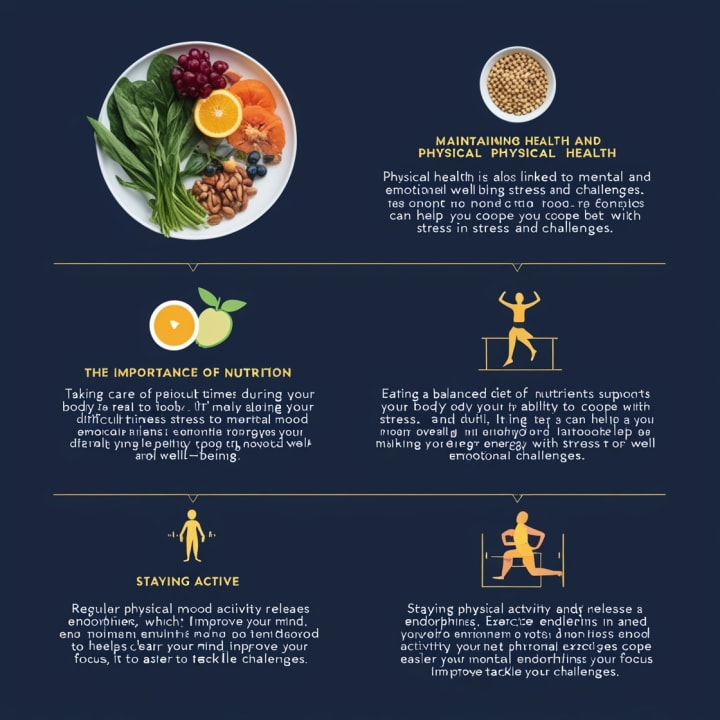
Maintaining Physical Health
Physical health is closely linked to mental and emotional well-being. Taking care of your body during difficult times can help you cope better with stress and challenges.
The Importance of Nutrition
Eating a balanced diet rich in nutrients supports your body’s ability to cope with stress. It also improves your energy levels and overall well-being.
Staying Active
Regular physical activity releases endorphins, which are natural mood boosters. Exercise also helps clear your mind and improve your focus, making it easier to tackle challenges.
Leveraging Personal Strengths
Everyone has unique strengths that can be leveraged to overcome difficult stages in life. Identifying and utilizing these strengths can give you the confidence and tools needed to succeed.
Identifying Your Strengths
Take the time to identify your personal strengths, whether they are related to your skills, character, or experiences. These strengths are your assets in overcoming challenges.
Using Strengths to Overcome Obstacles
Once you’ve identified your strengths, think about how you can use them to address the challenges you’re facing. This might involve applying a particular skill or drawing on your resilience and determination.

Staying Persistent and Patient
Success during difficult stages of life often requires persistence and patience. It’s about staying committed to your goals even when progress is slow or setbacks occur.
The Importance of Perseverance
Perseverance is the ability to keep going despite obstacles. It’s about maintaining your effort and focus, knowing that success takes time.
Practicing Patience
Patience involves understanding that some things take time and that it’s okay if progress is gradual. It’s about trusting the process and not giving up too soon.

FAQs
What are some effective ways to build resilience during difficult times?
Building resilience involves developing a positive mindset, practicing self-care, and maintaining a strong support system. It's also important to embrace change, set realistic goals, and celebrate small victories.
How can I stay motivated when facing significant challenges?
Staying motivated during tough times can be challenging, but focusing on your long-term goals, practicing gratitude, and finding meaning in your struggles can help. Surrounding yourself with supportive people and seeking inspiration from others who have overcome similar challenges can also keep you motivated.
What role does mindset play in overcoming difficulties?
Mindset is crucial in overcoming difficulties. A positive mindset helps you see challenges as opportunities for growth, while a negative mindset can make obstacles seem insurmountable. Cultivating optimism, practicing gratitude, and focusing on solutions rather than problems can help you develop a resilient mindset.
How can I manage stress during difficult stages of life?
Managing stress involves practicing relaxation techniques such as mindfulness, meditation, and deep breathing exercises. It's also important to maintain a healthy lifestyle, including regular physical activity, a balanced diet, and adequate sleep. Taking time for self-care and seeking professional support when needed can also help manage stress.
Is it normal to feel overwhelmed during difficult times?
Yes, it's normal to feel overwhelmed during difficult times. Acknowledging these feelings and seeking support from friends, family, or professionals can help you manage them. It's also important to take things one step at a time and focus on what you can control.
How can I find meaning and purpose during tough times?
Finding meaning and purpose during tough times involves aligning your actions with your values and setting purpose-driven goals. Reflecting on what truly matters to you and how you can contribute to something greater than yourself can provide a sense of fulfillment and motivation.
Conclusion
Life’s difficult stages can be incredibly challenging, but they also offer opportunities for growth, resilience, and self-discovery. By understanding the nature of these challenges, cultivating a positive mindset, building a strong support system, and leveraging your personal strengths, you can navigate these tough times successfully. Remember, success is not just about overcoming obstacles, but also about growing through them and emerging stronger on the other side.
About the Creator
KingFree MaN
Our purpose is to serve others. We strive to understand their needs, identify what they seek and streamline the journey to help them reach their goals. By removing obstacles and creating clear paths we work to make their experience smoother
Keep reading
More stories from KingFree MaN and writers in Motivation and other communities.
🧸 How to Raise Children in Good Health and Education 📚
Raising children in today's 🌍 world requires a balanced approach, focusing on both their health and education. Ensuring that children grow up strong, mentally sharp, and emotionally stable sets the foundation for their future success. This article will provide a comprehensive guide on how to nurture your child's health and educational development effectively. We'll explore various strategies, tips, and insights to help you raise well-rounded individuals who are equipped to face the challenges of life.
By KingFree MaNabout a year ago in Motivation
If You Love Me, You'll Do It
I met Jason when I was five years old. I could say that I loved him from the moment I saw him. He was so handsome to me and I felt in awe by his presence. When they introduced him as the new kid in school, I wanted to be his friend right away. I remember it like it was yesterday. I remember his smile and how he didn't seem shy. He appeared confident and ready to learn. I waved at him and said "hello," before anyone else could even say a word. He sat next to me, and I asked him if he wanted to be friends. He looked so happy as he said, "Yes!"
By Sidney Smith (Sid Smith)6 days ago in Fiction



Comments (1)
Thanks for sharing